What This Document Is
This resource is a focused study guide designed to support students enrolled in a US History course covering the period since 1877, specifically focusing on the 1920s. It’s crafted to help you efficiently review key themes, figures, and developments of this transformative era in American history. The guide originates from lecture material delivered at the University of South Alabama, offering a university-level perspective on the subject.
Why This Document Matters
This study guide is an invaluable tool for students preparing for quizzes and exams related to the 1920s. It’s particularly useful for those who benefit from a structured overview of essential topics before diving into detailed readings or lectures. It can be used proactively to identify areas needing further study, or reactively to consolidate understanding after class. Students aiming for a comprehensive grasp of the social, political, and economic shifts of the decade will find this guide particularly helpful.
Common Limitations or Challenges
This study guide is intended as a *supplement* to course materials – lectures, readings, and assignments – and does not replace them. It provides a framework for understanding, but doesn’t offer in-depth analysis or complete historical narratives. It won’t provide direct answers to exam questions, nor does it cover every single detail of the period. It assumes a base level of familiarity with the broader context of US History.
What This Document Provides
* Key areas of focus regarding the changing demographics and urban life in the 1920s.
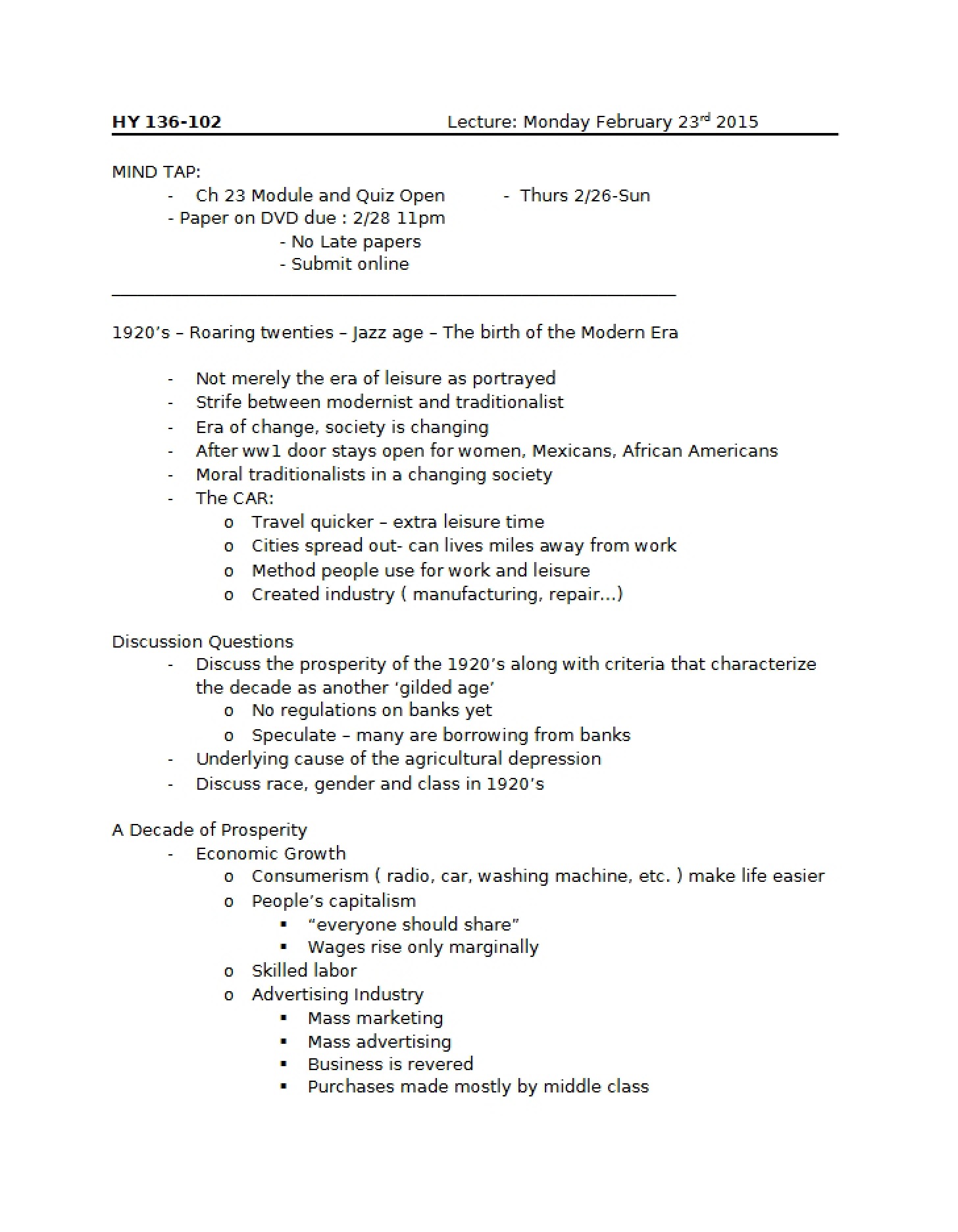
* An overview of the economic philosophies and policies prevalent during the decade.
* Important political events and figures from the mid-1920s, including election dynamics and third-party movements.
* Insight into the cultural landscape of the era, including artistic expressions and evolving social norms.
* Examination of the impact of technological advancements, like the automobile and mass media.
* Discussion points surrounding foreign policy approaches adopted by the US government.
* Coverage of social movements and organizations that shaped the decade, including the resurgence of the KKK and the UNIA.
* Consideration of the role of key individuals and their impact on the era.