What This Document Is
This study guide provides a focused exploration of circulatory shock, a critical condition encountered in various medical and biological contexts. Specifically geared towards students in the Bioinformatics Interdisciplinary Research Seminar (CHEM M202) at UCLA, it delves into the physiological mechanisms underlying different types of shock and the body’s responses to these life-threatening events. It’s designed to supplement course lectures and provide a deeper understanding of the complex interplay of systems involved.
Why This Document Matters
This resource is invaluable for students aiming to solidify their understanding of homeostatic regulation, physiological responses to stress, and the impact of systemic failures on cellular function. It’s particularly helpful when preparing for discussions, research projects, or assessments related to human physiology, pathophysiology, and the biological basis of medical conditions. Students engaged in bioinformatics research with a focus on translational medicine or systems biology will find the foundational knowledge presented here particularly relevant.
Topics Covered
* The fundamental definition and stages of circulatory shock.
* Detailed examination of hypovolemic shock, including its causes and compensatory mechanisms.
* Exploration of neurogenic shock and its impact on circulatory function.
* Analysis of anaphylactic shock, focusing on the immunological basis of the condition.
* Investigation of septic shock and its widespread physiological effects.
* Overview of therapeutic interventions for different shock states.
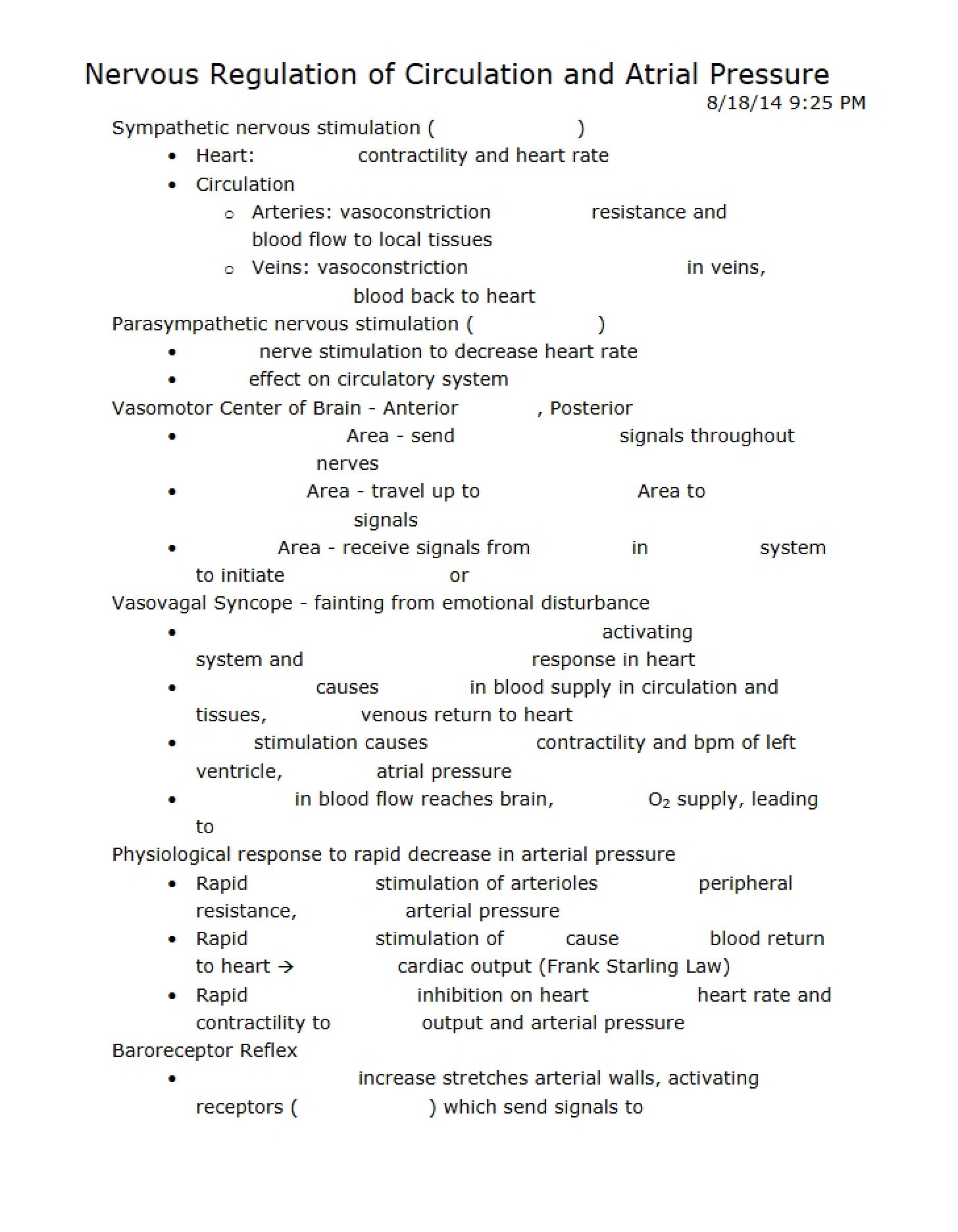
* The role of various physiological systems (cardiovascular, renal, nervous) in responding to shock.
What This Document Provides
* A structured overview of the physiological processes involved in shock.
* Detailed consideration of the body’s initial responses and subsequent stages of shock progression.
* An examination of the factors influencing the effectiveness of compensatory mechanisms.
* Insight into the potential consequences of prolonged or irreversible shock.
* A framework for understanding the interconnectedness of physiological systems in maintaining homeostasis during critical illness.