What This Document Is
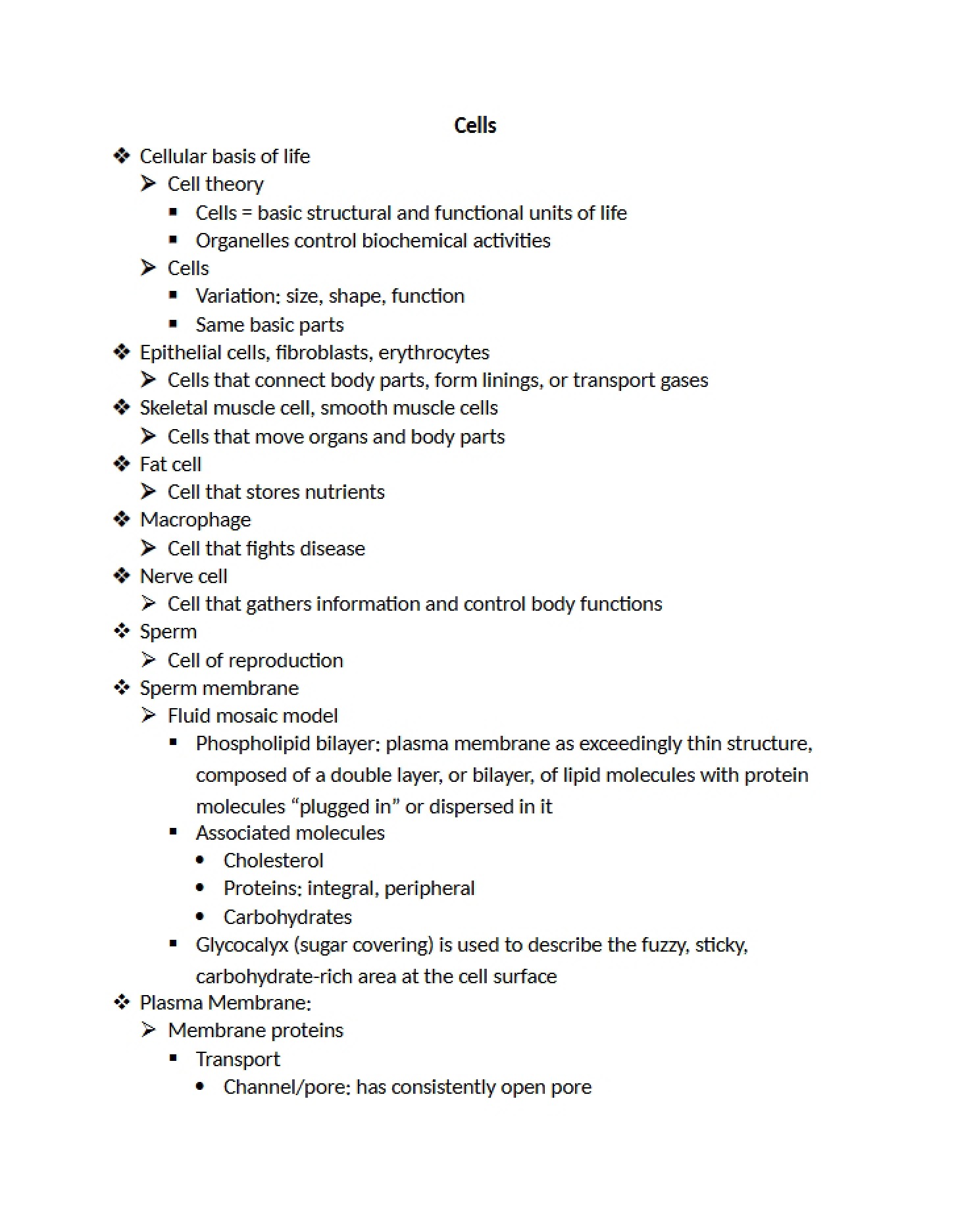
This is a comprehensive study guide focusing on the foundational principles of cellular biology, specifically designed to support students in a Human Anatomy and Physiology I course. It delves into the intricate world of cells – the basic units of life – and explores their structure, function, and processes. The guide systematically covers key concepts related to how cells operate, interact with their environment, and replicate. It’s a detailed resource intended to solidify understanding of core cellular mechanisms.
Why This Document Matters
This guide is invaluable for students who are looking to build a strong foundation in anatomy and physiology. It’s particularly helpful for those who benefit from a structured, in-depth review of complex topics. Use this resource to supplement your lecture notes, textbook readings, and lab activities. It’s ideal for preparing for quizzes and exams, or simply for deepening your comprehension of the essential processes that underpin all physiological systems. Students who struggle with the abstract nature of cellular processes will find this guide particularly beneficial.
Common Limitations or Challenges
This study guide provides a detailed overview of cellular biology, but it does not replace the need for active learning and engagement with course materials. It does not include practice questions or detailed case studies. Furthermore, while it explains the *what* and *why* of cellular processes, it doesn’t offer step-by-step laboratory protocols or detailed anatomical illustrations. It’s designed to be a companion to your coursework, not a standalone learning solution.
What This Document Provides
* A focused exploration of membrane transport mechanisms.
* Detailed coverage of the cell cycle, including its distinct phases and regulatory processes.
* An overview of cellular division processes, including mitosis and meiosis.
* A breakdown of the central dogma of molecular biology – the flow of genetic information.
* Explanations of the roles of different types of RNA in protein synthesis.
* Key terminology and definitions related to cellular structure and function.
* Insights into the importance of genetic code redundancy.
* Discussion of the protective role of the nucleus in maintaining DNA integrity.