What This Document Is
This document is a chapter from a General Chemistry I course (CHEM 101) at Loyola University Chicago, specifically focusing on chemical reactions and stoichiometry. It serves as a foundational resource for understanding the quantitative relationships within chemical reactions – how much of each substance is involved. The material introduces key concepts related to measuring and expressing amounts of substances, and lays the groundwork for predicting the yields of chemical reactions.
Why This Document Matters
This chapter is crucial for students in introductory chemistry courses. It’s used when learning to balance chemical equations, predict reaction outcomes, and perform calculations related to chemical processes. A strong grasp of these concepts is essential not only for success in further chemistry coursework, but also for related fields like biology, environmental science, and medicine. It provides the tools to understand and quantify changes happening at the molecular level.
Common Limitations or Challenges
This chapter provides the *principles* of chemical reactions and stoichiometry. It does not offer complete problem-solving strategies or cover advanced reaction types. Students will still need to practice applying these concepts to a wide range of chemical scenarios and develop proficiency in unit conversions and mathematical calculations. This preview does not include all practice problems or detailed explanations of complex reaction mechanisms.
What This Document Provides
This chapter includes definitions and explanations of:
* **Molar Mass & Formula Mass:** Understanding how to calculate the mass of a molecule or compound.
* **The Mole Concept:** Introducing the mole as a unit for quantifying amounts of substances.
* **Conversion Factors:** Demonstrating how to convert between moles, mass, and number of atoms/molecules.
* **Empirical and Molecular Formulas:** Determining the simplest and actual ratios of atoms in a compound.
* **Percent Composition:** Calculating the percentage of each element in a compound by mass.
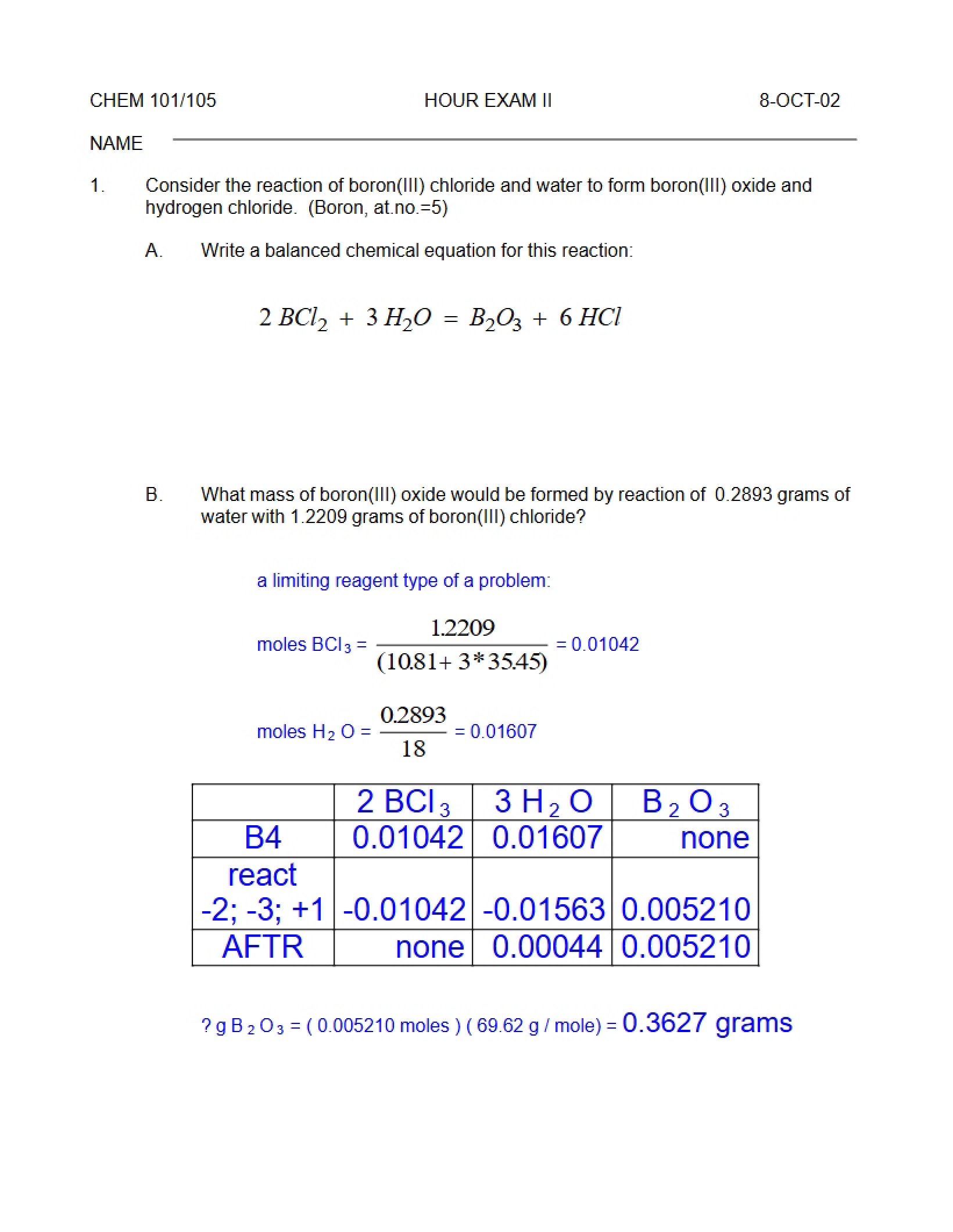
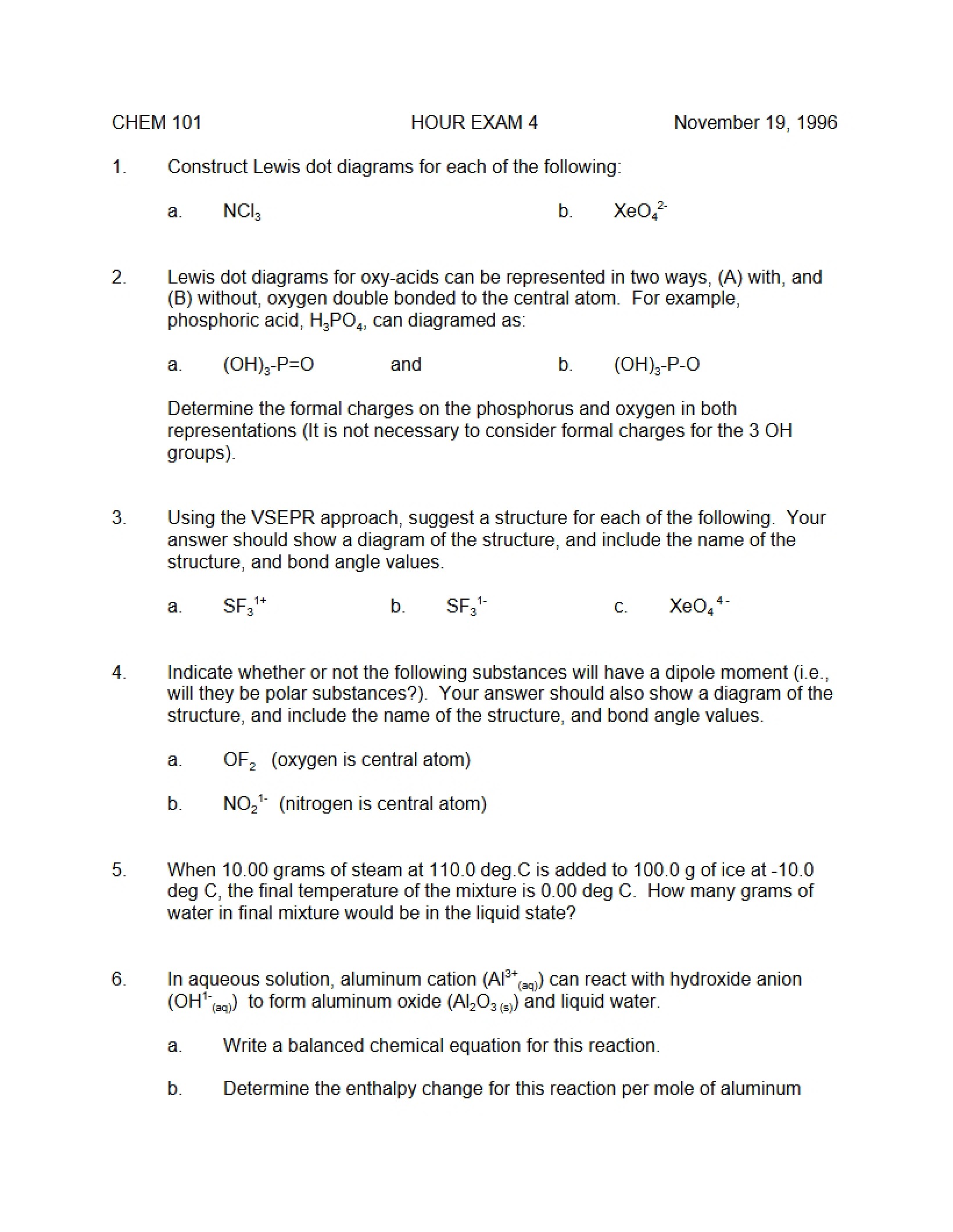
* **Review Questions:** Several practice problems with worked answers to test understanding of key concepts.
This preview *does not* include all the practice problems, detailed explanations of all formula derivations, or coverage of reaction yields and limiting reactants – these are found in the full document.