What This Document Is
This is an Instructor’s Manual accompanying Chapter 6 of a Computer Systems Architecture course, specifically focusing on the critical topic of memory within computing systems. It’s designed as a resource for educators teaching the subject, offering guidance and insights to effectively deliver the chapter’s concepts. The manual delves into both fundamental memory principles and more advanced techniques used in modern computer design.
Why This Document Matters
This resource is invaluable for instructors at the university level who are teaching courses on computer organization, computer architecture, or related fields. It’s particularly useful when preparing lectures, developing supplementary materials, or seeking suggestions for clarifying complex topics for students. It can also assist in gauging the appropriate time allocation for different sections of the chapter and identifying potential areas where students commonly encounter difficulties. Access to this manual will help ensure a comprehensive and effective teaching experience.
Topics Covered
* Fundamental types of computer memory (RAM and ROM)
* The organization and importance of the memory hierarchy
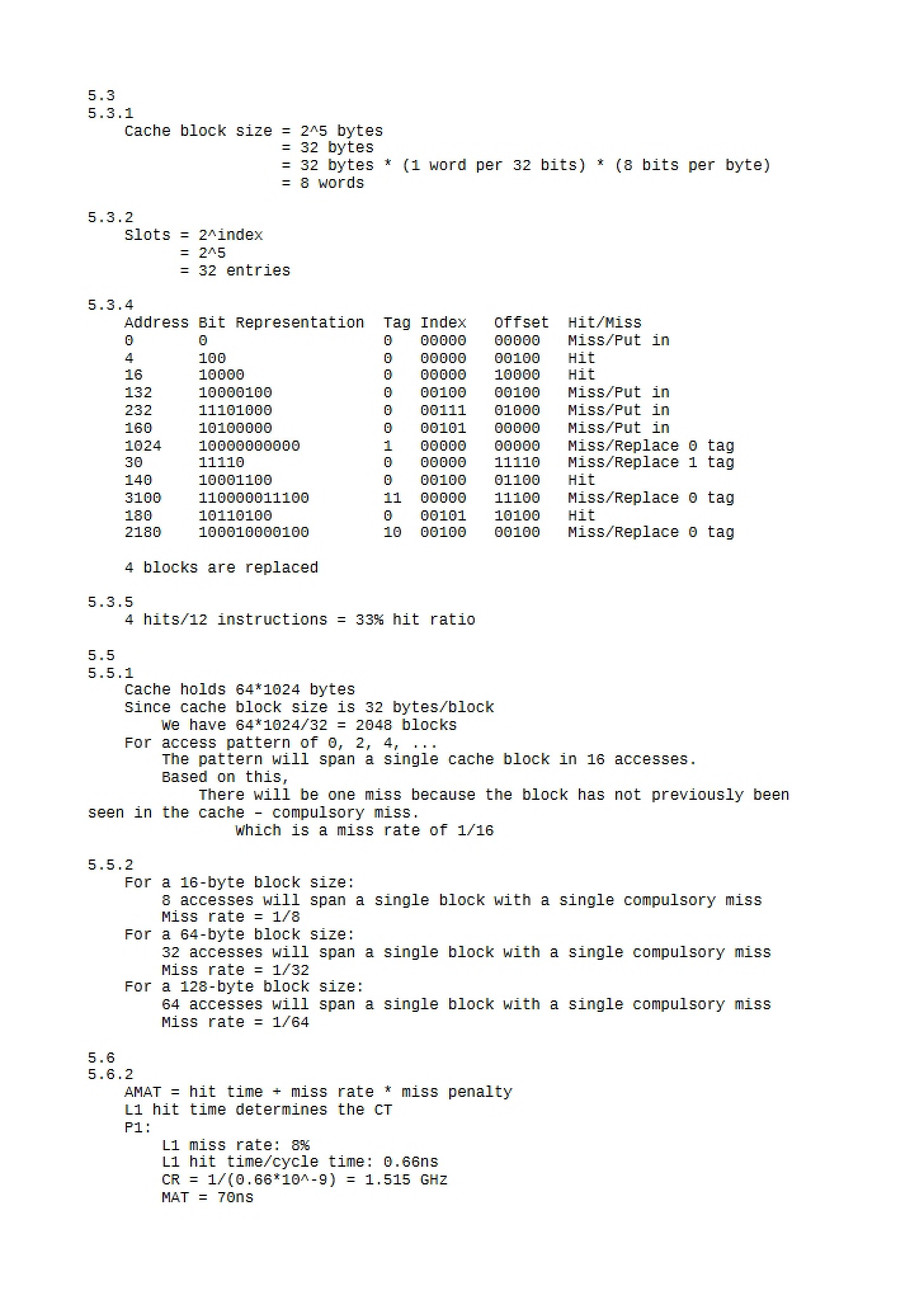
* Cache memory principles and implementation techniques
* Different cache mapping methods and their implications
* Virtual memory concepts, including paging and segmentation
* Translation Lookaside Buffers (TLBs) and their role in performance
* Real-world applications of memory management in modern systems
What This Document Provides
* Detailed chapter objectives outlining the key learning outcomes.
* Suggested lecture timeframes, offering guidance for both concise and in-depth coverage of the material.
* Lecture tips and strategies for addressing common student misconceptions.
* Insights into the practical application of theoretical concepts.
* A framework for understanding the interplay between various memory levels and their impact on overall system performance.