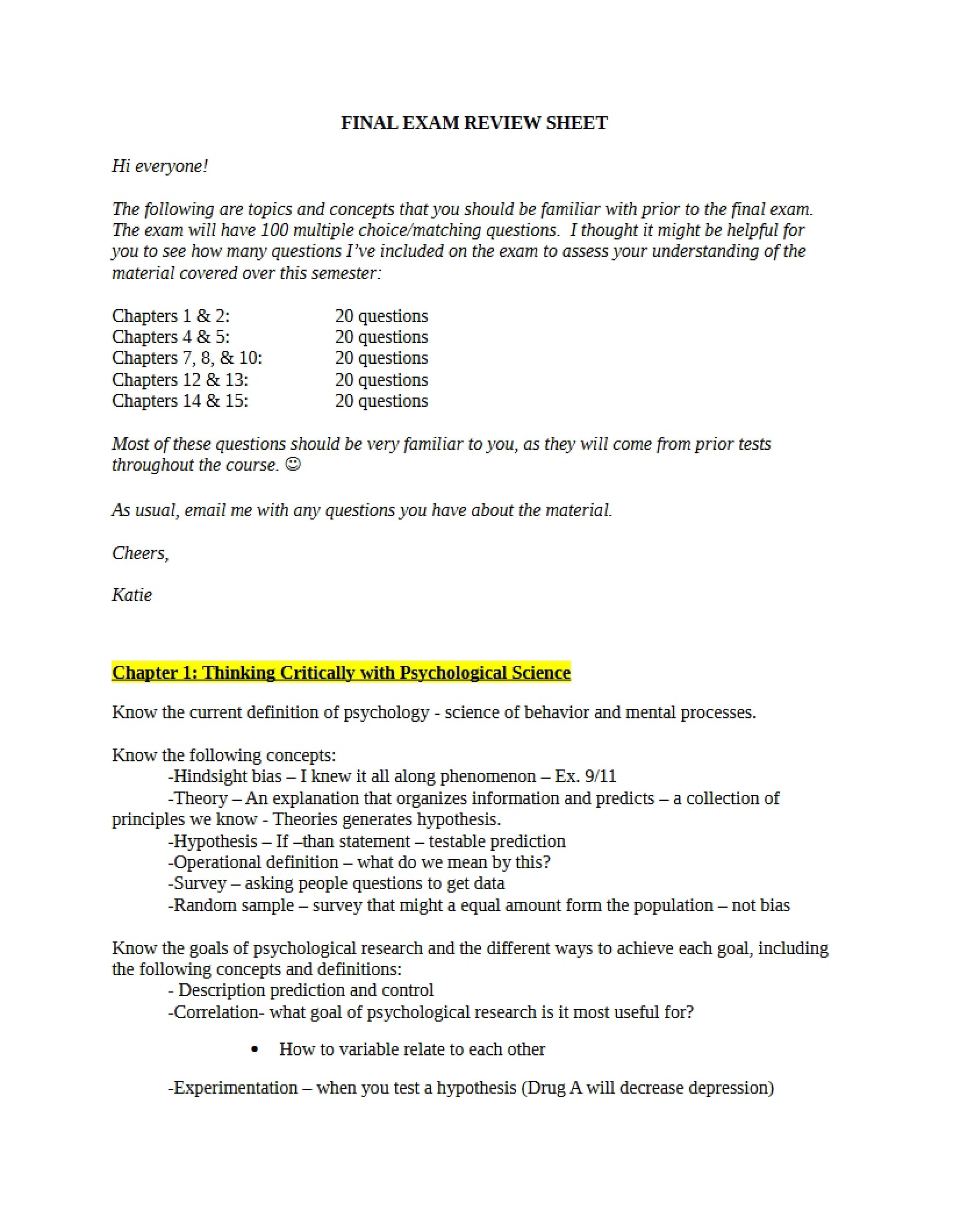
What This Document Is
This document is a chapter from an introductory psychology textbook, specifically focusing on human development across the lifespan. It provides an overview of the key stages of development – from prenatal development through late adulthood – and introduces core concepts within developmental psychology. It’s designed to give a broad understanding of the physical, emotional, cognitive, and social changes individuals experience as they age.
Why This Document Matters
This chapter is essential for students in introductory psychology courses, as well as anyone interested in understanding the fundamental processes of human growth and change. It’s typically used during units covering lifespan development, providing a foundational understanding for more specialized topics. Understanding these developmental stages is crucial for fields like education, social work, and healthcare, offering insights into behavior and well-being at different ages.
Common Limitations or Challenges
This chapter serves as an introduction and therefore doesn’t delve into the complexities of each developmental stage in exhaustive detail. It provides a framework but doesn’t offer in-depth analysis of specific theories or research findings. It also doesn’t cover interventions or strategies for addressing developmental challenges. This is a survey, not a comprehensive guide.
What This Document Provides
This chapter includes:
* An overview of the major periods of human development (Prenatal, Infancy, Toddlerhood, Preschool, Middle Childhood, Adolescence, Young Adulthood, Middle Adulthood, and Late Adulthood).
* A discussion of prenatal development, including stages and potential threats (teratogens).
* Information on infant perceptual abilities, reflexes, and motor skill development (gross and fine motor skills).
* An introduction to temperament types (Easy, Difficult, Slow-to-warm-up).
* An explanation of attachment theory, including the concepts of contact comfort, secure base, and attachment styles (Secure, Avoidant, Resistant) as identified through the “Strange Situation” experiment.
This preview does *not* include detailed case studies, extensive research data, or advanced theoretical discussions. It does not cover specific developmental disorders or detailed strategies for supporting development.