What This Document Is
This study guide provides a detailed exploration of foundational mythological narratives within the context of CLCV 115: Mythology of Greece and Rome at the University of Illinois at Urbana-Champaign. Specifically, it focuses on Chapter Four from Powell’s work, delving into the origins of the cosmos, the gods, and early divine beings as understood by the ancient Greeks. It’s designed to support a deeper understanding of the core concepts presented in the course material.
Why This Document Matters
This resource is invaluable for students seeking to solidify their comprehension of Greek cosmogony and theogony. It’s particularly helpful when preparing for quizzes, exams, or essay assignments that require a nuanced understanding of creation myths and the relationships between early deities. Students who are grappling with the complex genealogies and symbolic meanings within these foundational stories will find this guide especially beneficial. Accessing the full content will unlock a comprehensive resource for mastering these essential mythological concepts.
Topics Covered
* Cosmogony vs. Theogony: Defining and differentiating these key mythological concepts.
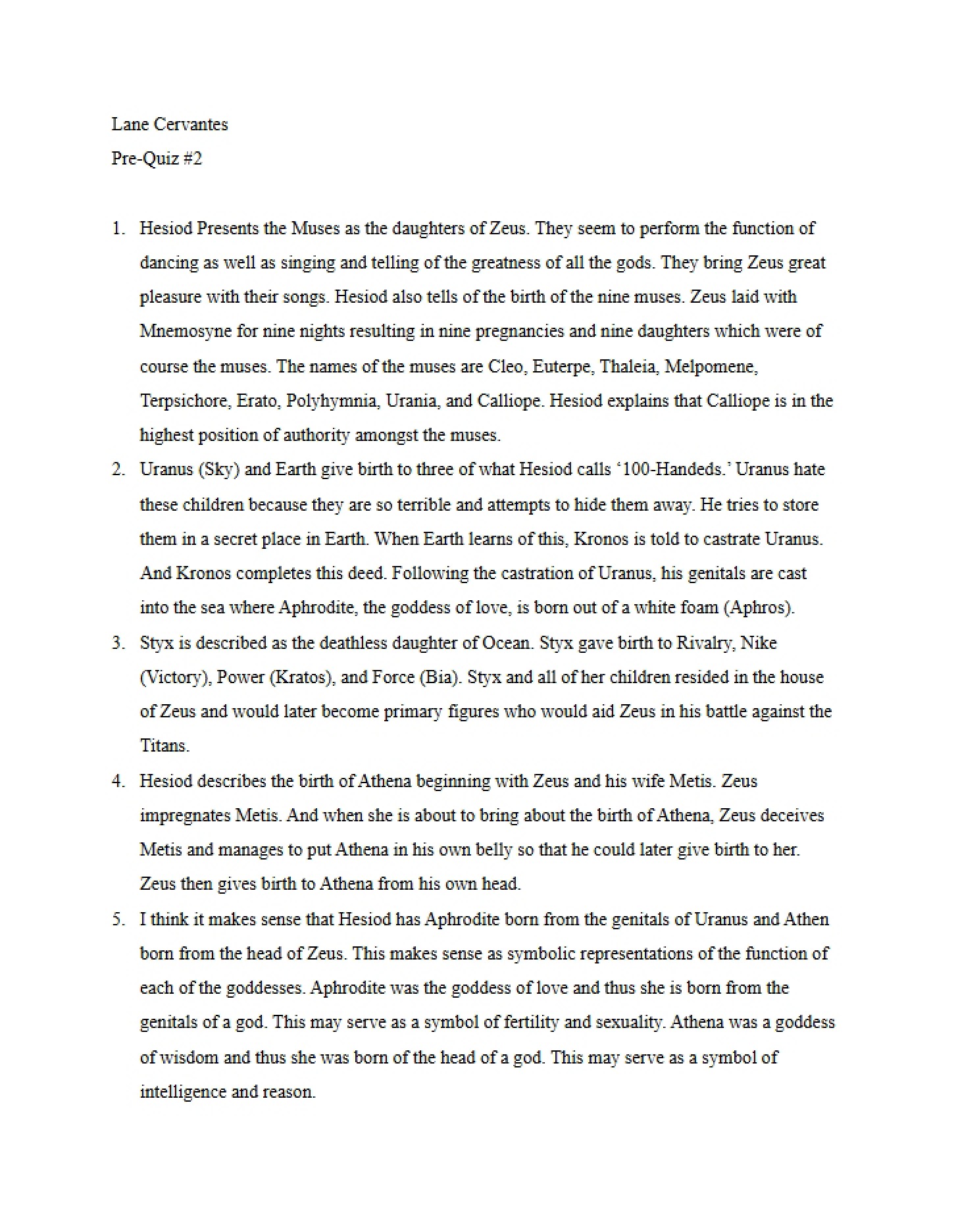
* Hesiod’s *Theogony*: Examining its significance as a primary source for Greek creation myths.
* Early Divine Beings: Exploring the origins and characteristics of Chaos, Gaea, Uranus, and their offspring.
* The Titanomachy & Giantomachy: Understanding the conflicts that shaped the mythological world.
* The Roles of Key Deities: Investigating the functions and symbolism of figures like Eros, Aphrodite, and Hyperion’s children.
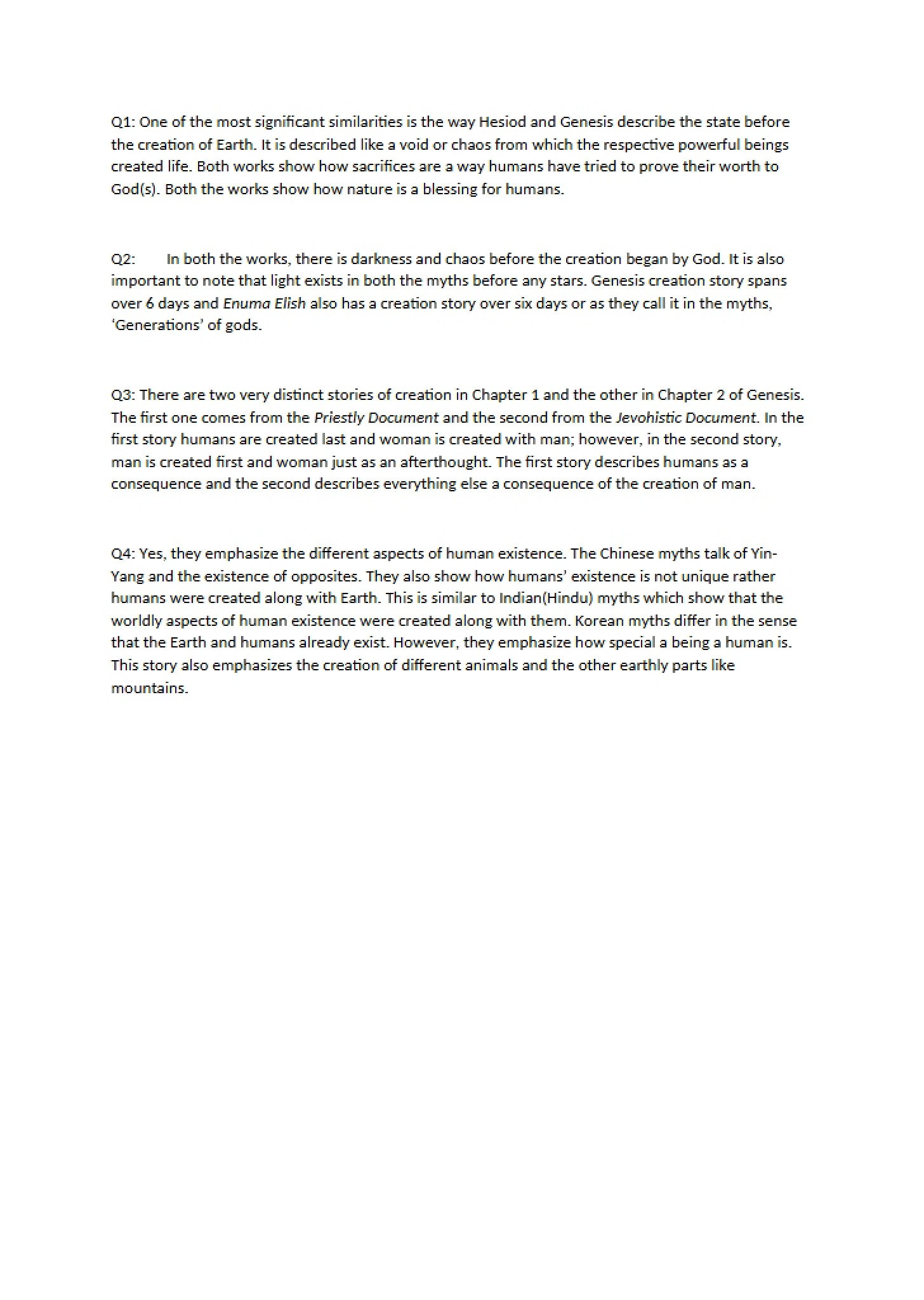
* Comparative Mythology: Drawing connections between Greek myths and narratives from other ancient cultures, such as the Mesopotamian *Enuma Elish*.
* Monstrous Figures: Analyzing the origins and significance of creatures like the Gorgons, Cyclopes, and Hecatonchires.
What This Document Provides
* Clear definitions of essential terminology related to Greek mythology.
* A structured overview of Hesiod’s account of the origins of the world and the gods.
* Detailed explorations of the relationships between divine beings and their roles in shaping the cosmos.
* Points of comparison and contrast between Greek mythology and other ancient Near Eastern traditions.
* A framework for understanding the symbolic meanings embedded within these ancient narratives.