What This Document Is
This resource is designed as a comprehensive assessment tool focusing on the circulatory system within the context of Anatomy and Physiology I (EXSC 223) at the University of South Carolina. It takes the form of a detailed quiz, employing a variety of question types to test understanding of key concepts related to blood vessels, blood flow dynamics, and circulatory pathways. The material is structured to evaluate recall and application of knowledge concerning the organization and function of the cardiovascular system.
Why This Document Matters
This is an invaluable study aid for students preparing for quizzes and exams in Anatomy and Physiology I. It’s particularly useful for solidifying your understanding of the complex network of arteries, veins, and capillaries, and how they contribute to overall bodily function. Students who utilize this resource will be able to identify areas where their knowledge is strong and pinpoint concepts needing further review. It’s best used *after* initial learning through textbooks and lectures, as a method of self-testing and reinforcing core principles.
Common Limitations or Challenges
This resource focuses on testing existing knowledge; it does not provide foundational instruction on the topics covered. It assumes a base level of understanding of anatomical terminology and physiological processes. While it covers a broad range of circulatory system components, it doesn’t delve into detailed pathological conditions or clinical applications. Access to the full resource is required to view the specific questions and detailed assessment.
What This Document Provides
* A series of short answer questions designed to assess precise knowledge recall.
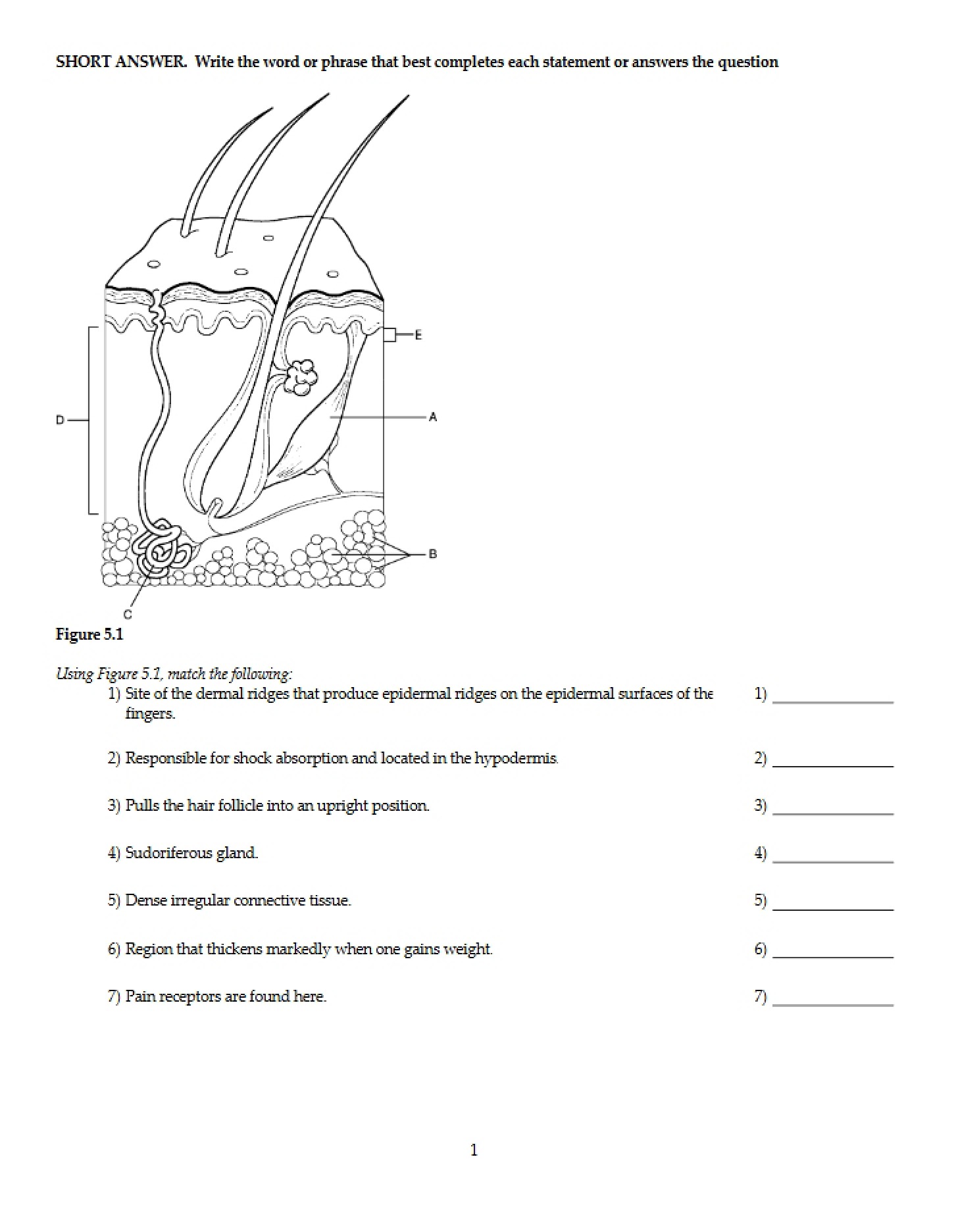
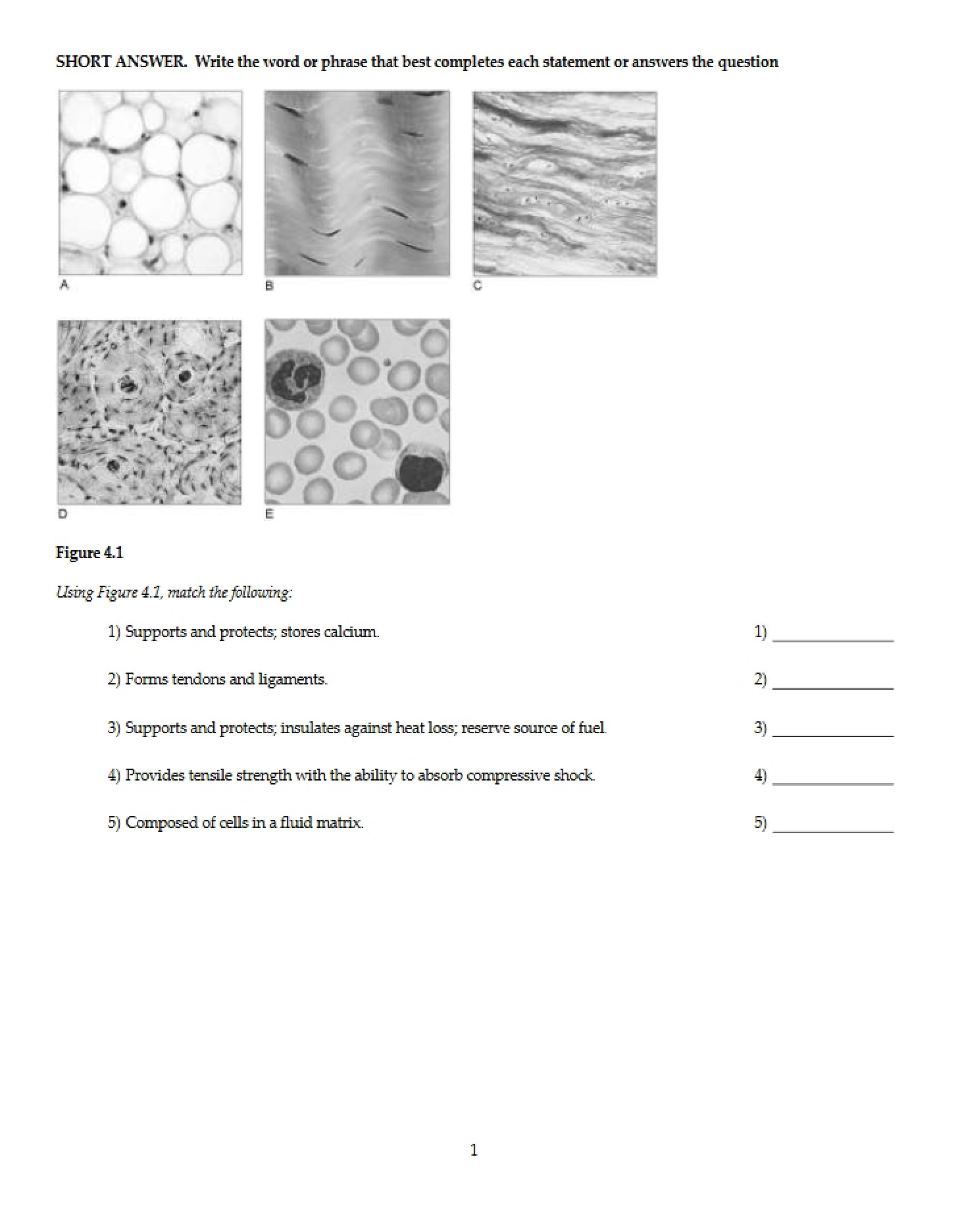
* Matching exercises focusing on identifying structures within diagrams of the circulatory system.
* Questions relating to major arteries and veins and their respective areas of supply.
* Assessment of understanding regarding the relationship between vessel structure and function.
* True/False statements to evaluate comprehension of key physiological principles related to blood flow and pressure.
* Evaluation of knowledge concerning regulatory mechanisms impacting the circulatory system.