What This Document Is
These are detailed chapter notes for RTV 3007: Development and Structure of Electronic Media and New Technology at the University of Central Florida. This resource offers a focused exploration of the evolving landscape of media, examining the forces that have shaped its development and the structures that govern its operation. It delves into the complexities of both commercial and non-commercial broadcasting, and the impact of audience segmentation on programming strategies.
Why This Document Matters
This study guide is ideal for students enrolled in RTV 3007 seeking a comprehensive companion to course lectures and readings. It’s particularly useful when preparing for quizzes, exams, or engaging in deeper research on media systems. Individuals aiming to understand the historical trajectory of electronic media, current industry trends, and the challenges facing media organizations will find this a valuable resource. Accessing these notes can help solidify your understanding of key concepts and provide a structured overview of the course material.
Topics Covered
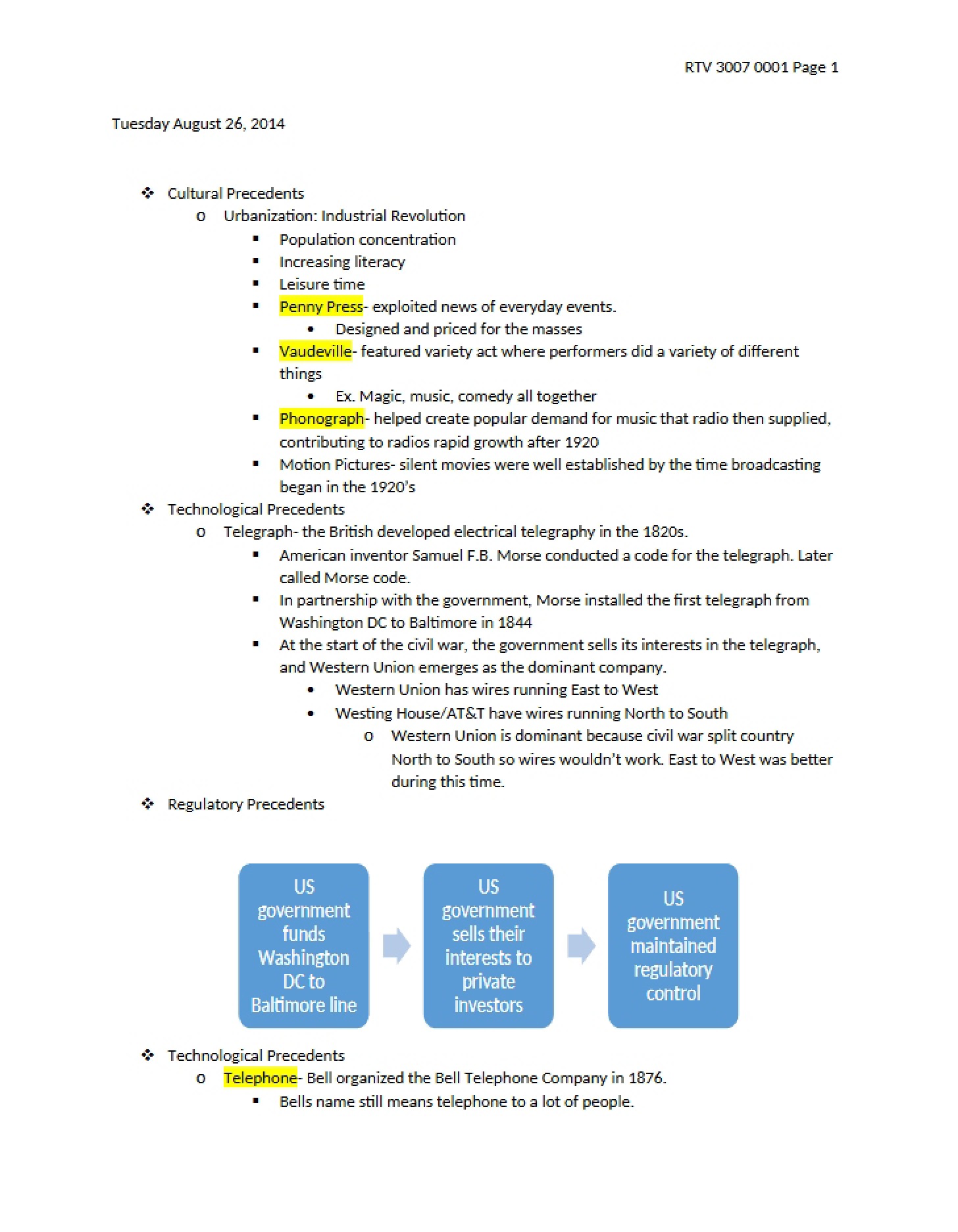
* The historical context of public broadcasting and debates surrounding its funding.
* The sources and types of programming available on public television.
* The establishment and function of National Public Radio (NPR).
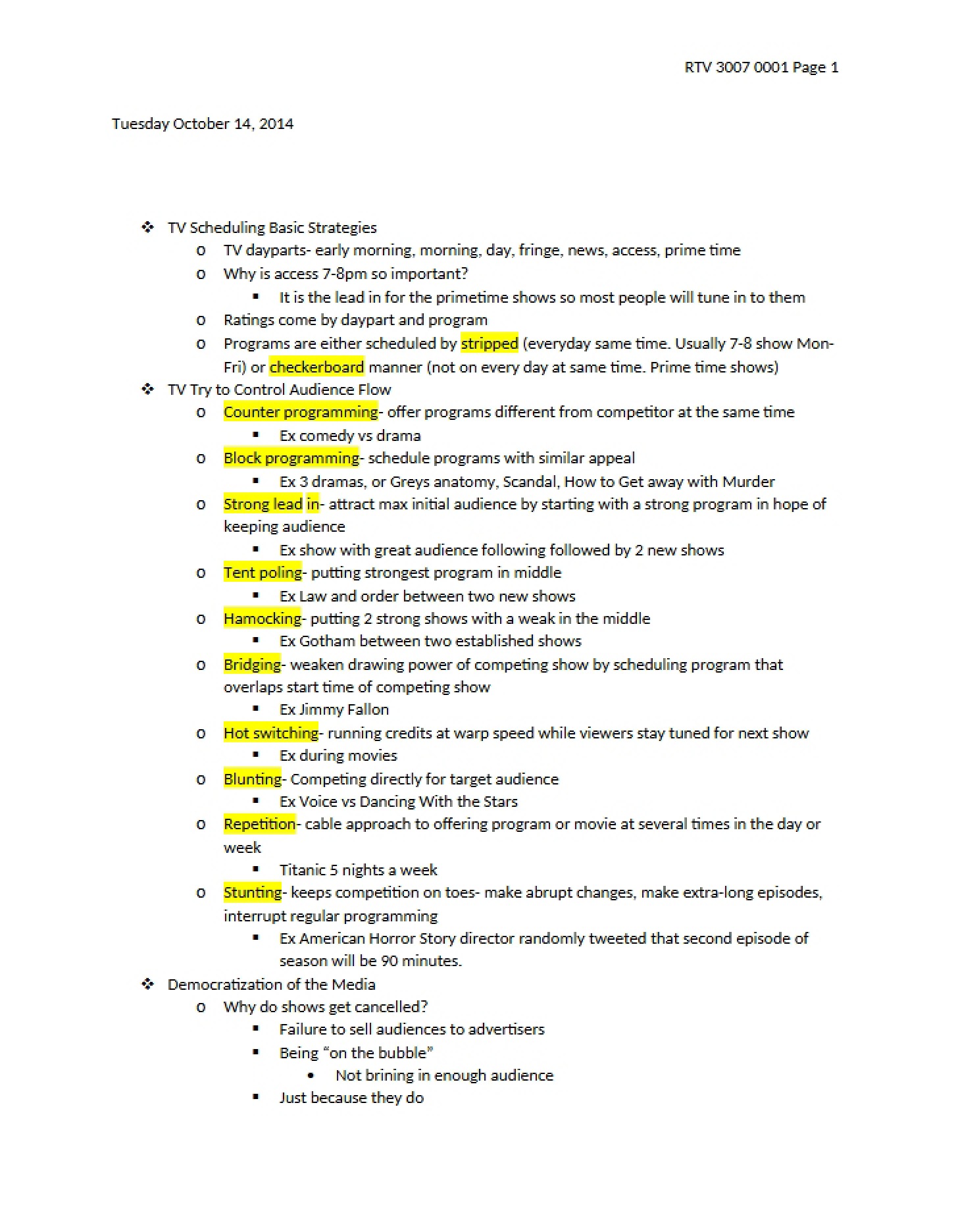
* The economic principles driving broadcast programming decisions.
* The shift from mass appeal to niche audience targeting in media.
* The impact of audience segmentation on content creation.
* The “80/20 principle” and its application to media consumption.
* The challenges presented by an abundance of channel choices.
What This Document Provides
* A structured overview of key concepts related to media development and structure.
* An examination of the factors influencing programming choices.
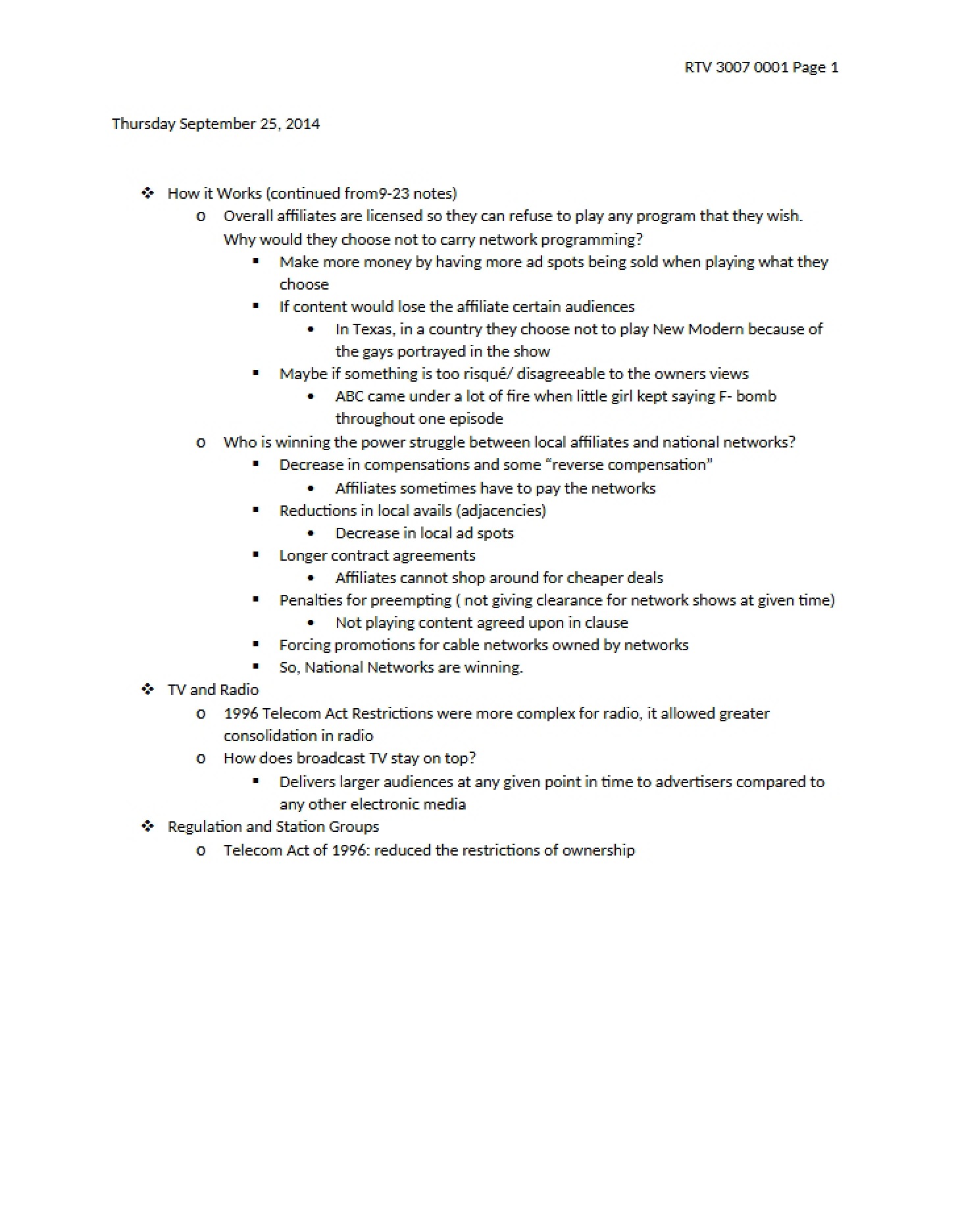
* Insights into the operational dynamics of both commercial and non-commercial media outlets.
* A focused look at the evolution of radio and television programming formats.
* A foundation for understanding the complexities of audience analysis and targeting.
* A resource to support in-depth study of the course material.