What This Document Is
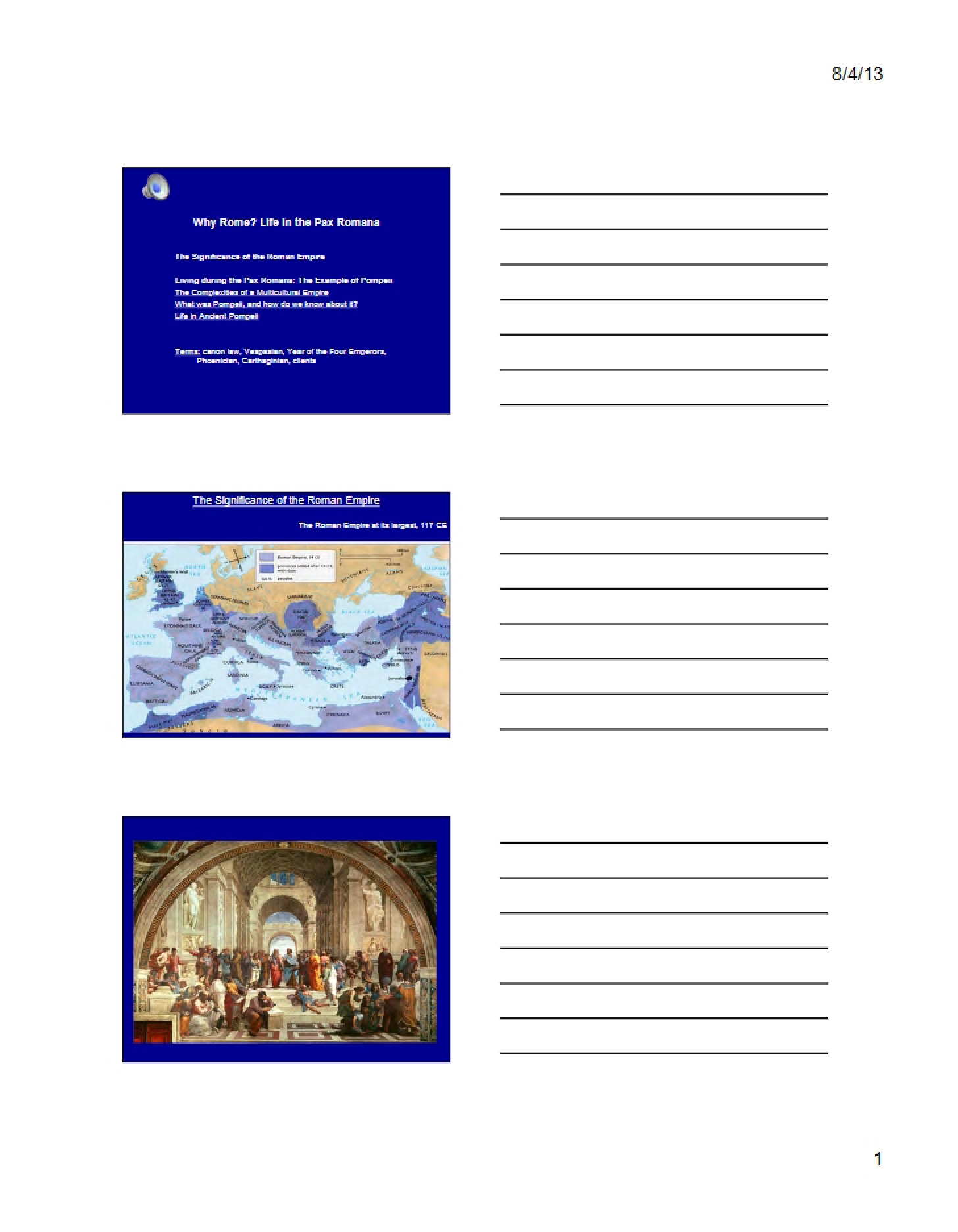
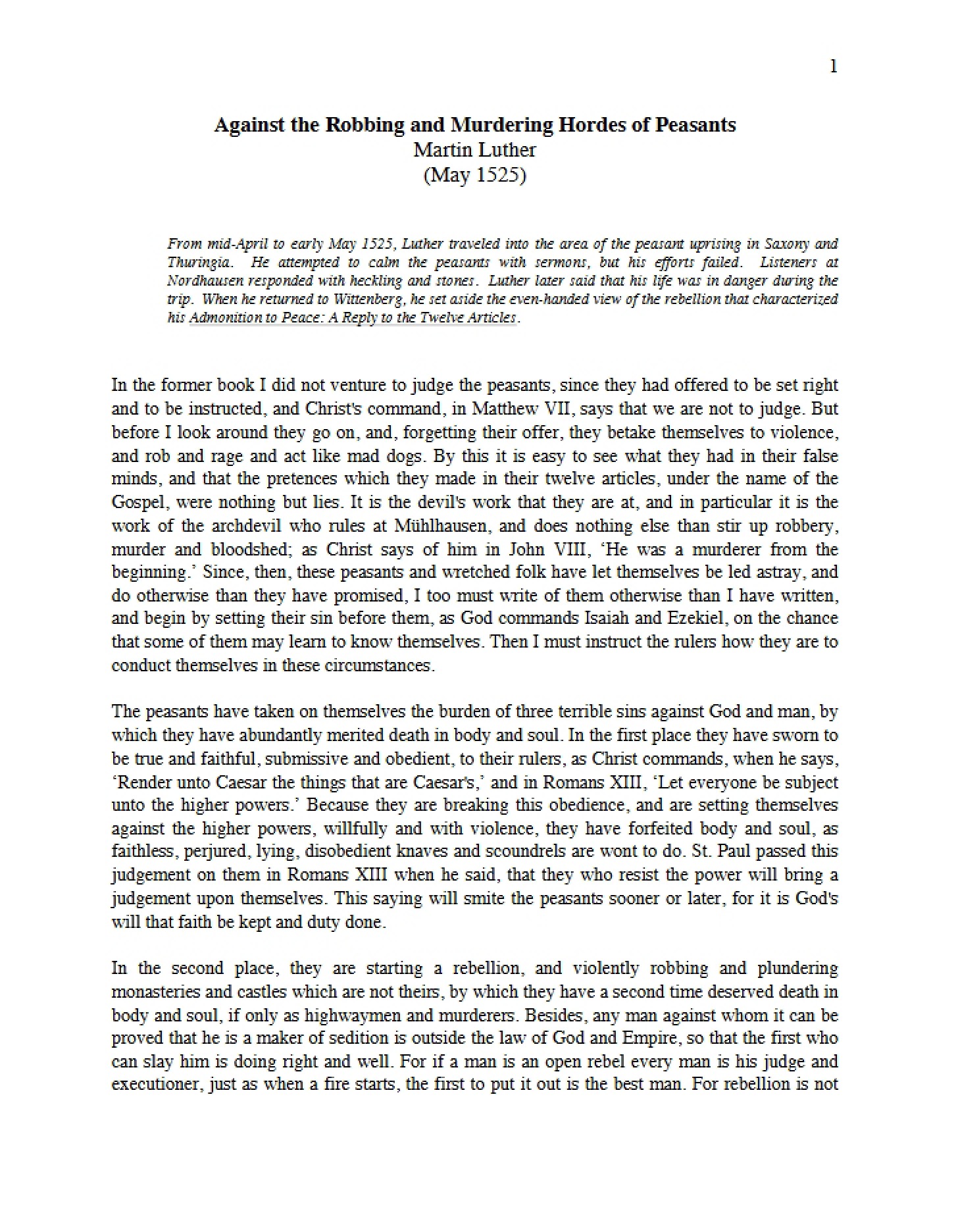
This resource is a comprehensive study guide designed to support your learning in HIST 101: South Carolina to 1865, specifically focusing on the pivotal period of Late Antiquity and the transformations of the Roman Empire. It centers on the complex historical shifts occurring between the 3rd and 7th centuries CE, bridging the classical world and the emergence of medieval Europe. The guide delves into political, religious, and cultural developments that reshaped the Mediterranean world, laying the groundwork for later historical trajectories. It’s built to accompany course readings and lectures, offering a structured approach to mastering key concepts.
Why This Document Matters
This study guide is invaluable for students aiming for a thorough understanding of the late Roman Empire and its transition. It’s particularly helpful when preparing for assessments, reviewing complex topics, and solidifying your grasp of the era’s major themes. Students who utilize this guide will be better equipped to analyze the long-term consequences of imperial division, the impact of migrating peoples, and the rise of Christianity. It’s best used *after* engaging with assigned readings and lectures, serving as a tool for focused review and deeper comprehension.
Common Limitations or Challenges
This study guide is designed to *complement* – not replace – your core course materials. It does not contain the full text of lectures or textbook chapters. It will not provide definitive answers or complete analyses; instead, it directs your focus to critical areas of inquiry. Successfully utilizing this guide requires active engagement with the course content and independent thought. It assumes you have already begun the process of learning the material.
What This Document Provides
* A curated list of key individuals and terms central to understanding the period.
* Clearly defined learning objectives, aligning with broader course goals.
* Focused study topics prompting critical analysis of major historical processes.
* Guidance on assessing the impact of various groups – including Germanic peoples – on the Roman world.
* Frameworks for evaluating the effectiveness of late imperial reforms.
* Points for consideration regarding the development of the early Christian Church and its influence.
* Questions designed to encourage comparative analysis between the late Roman Empire and the emerging medieval civilization.