What This Document Is
This resource is an introductory exploration into the world of character-mode device driver modules within the Linux operating system. It serves as a foundational guide for understanding how software interacts with hardware at a very low level. The material delves into the core concepts behind device drivers, explaining their role as the crucial link between an operating system’s kernel and the physical devices connected to a computer. It’s geared towards students learning operating systems principles and seeking to understand the complexities of system programming.
Why This Document Matters
This material is particularly valuable for computer science students enrolled in operating systems courses, or those preparing for roles in systems programming, embedded systems development, or kernel-level software engineering. It’s most useful when you’re beginning to grapple with the challenges of controlling hardware through software, and need a conceptual framework for understanding how device drivers function. Understanding these concepts is essential for anyone wanting to build custom hardware interfaces or modify existing operating system behavior.
Common Limitations or Challenges
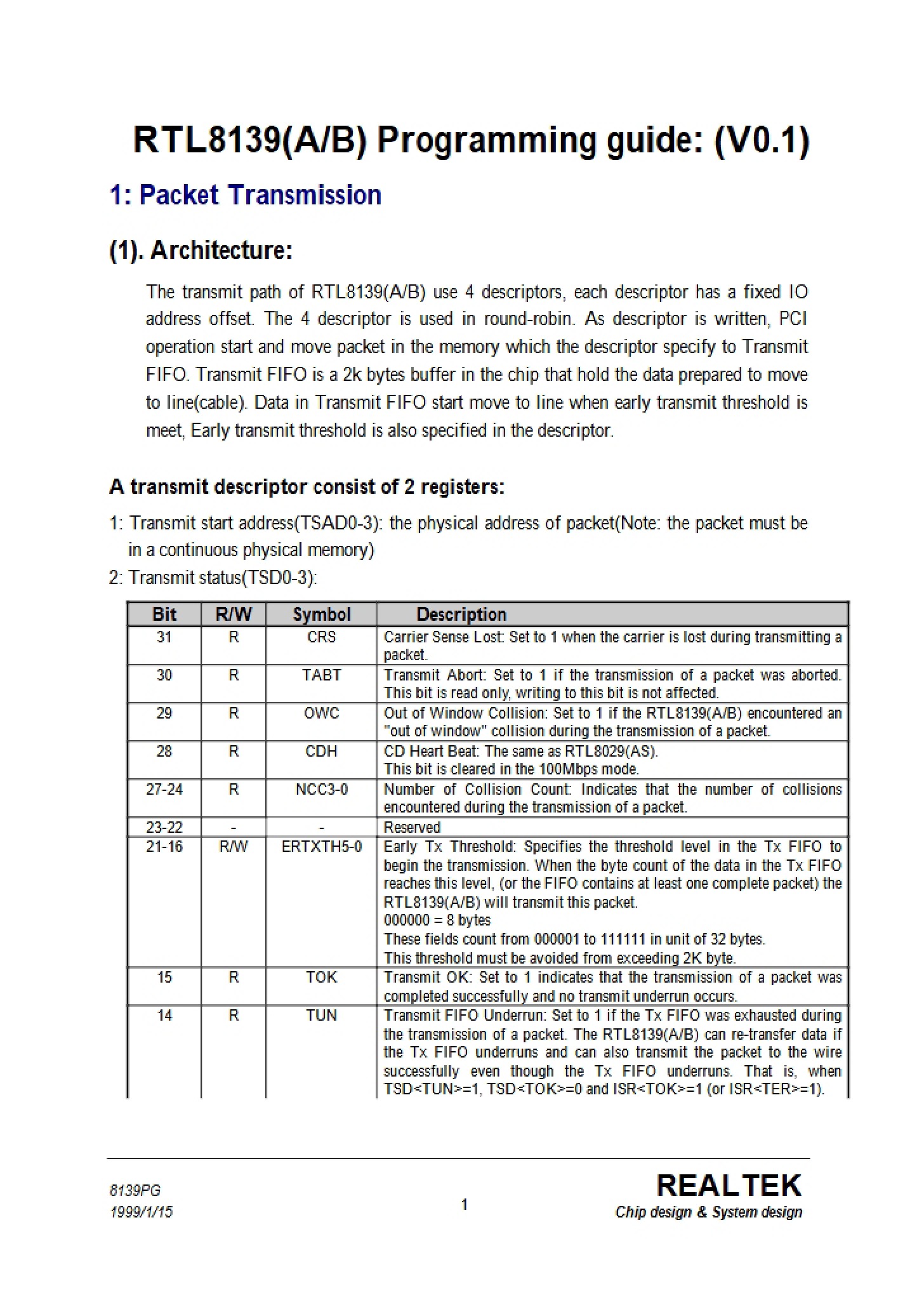
This resource focuses on the *principles* of device driver development. It does *not* provide a complete, ready-to-use device driver implementation. It won’t walk you through line-by-line code for specific hardware, nor does it cover advanced debugging techniques in detail. It also assumes a basic understanding of C programming and operating system fundamentals. The document explores the challenges of working with proprietary hardware designs and the impact of non-disclosure agreements.
What This Document Provides
* An overview of the role and responsibilities of device drivers.
* A distinction between different types of device drivers (character vs. block).
* Discussion of the advantages and disadvantages of “open” versus “closed” hardware designs.
* An introduction to the concept of “virtual devices” and how they can be used for learning.
* Explanation of how system calls and kernel-space/user-space interactions work in relation to device drivers.
* An overview of how Linux identifies and manages devices.
* A conceptual introduction to creating a device node and module boilerplate.