What This Document Is
This study guide delves into the fascinating intersection of chemistry and behavioral psychology, specifically focusing on the neurochemical foundations of behavior. Designed for students in Psych3313 at The Ohio State University, it explores the roles of key neurotransmitters and their impact on a wide range of psychological processes. It’s a focused resource intended to deepen your understanding of the biological underpinnings of the mind.
Why This Document Matters
This guide is invaluable for students seeking a more comprehensive grasp of behavioral psychology beyond introductory concepts. It’s particularly helpful when studying the biological bases of mental health, neurological disorders, and the effects of psychoactive substances. Use this resource to supplement your coursework, prepare for exams, or simply expand your knowledge of how brain chemistry influences our thoughts, feelings, and actions. It’s best utilized *after* initial exposure to core behavioral psychology principles.
Topics Covered
* The role of serotonin in mood regulation and its potential links to inherited predispositions.
* The function of GABA as a primary inhibitory neurotransmitter and its connection to various pharmacological interventions.
* Glutamate’s involvement in neuroplasticity, learning, and potential implications for neurological conditions.
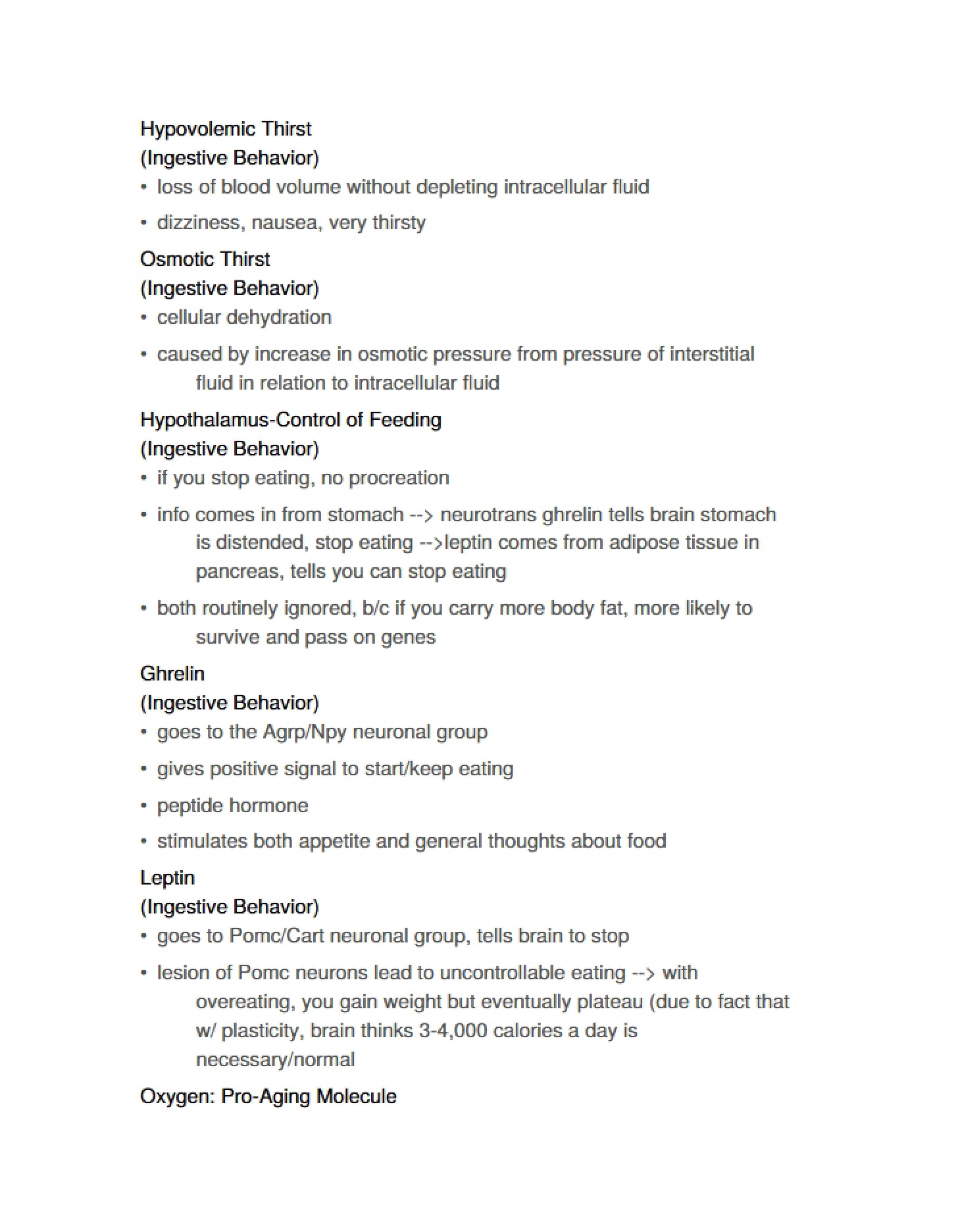
* Dopamine’s central role in reward pathways, motivation, and the neurobiology of addiction.
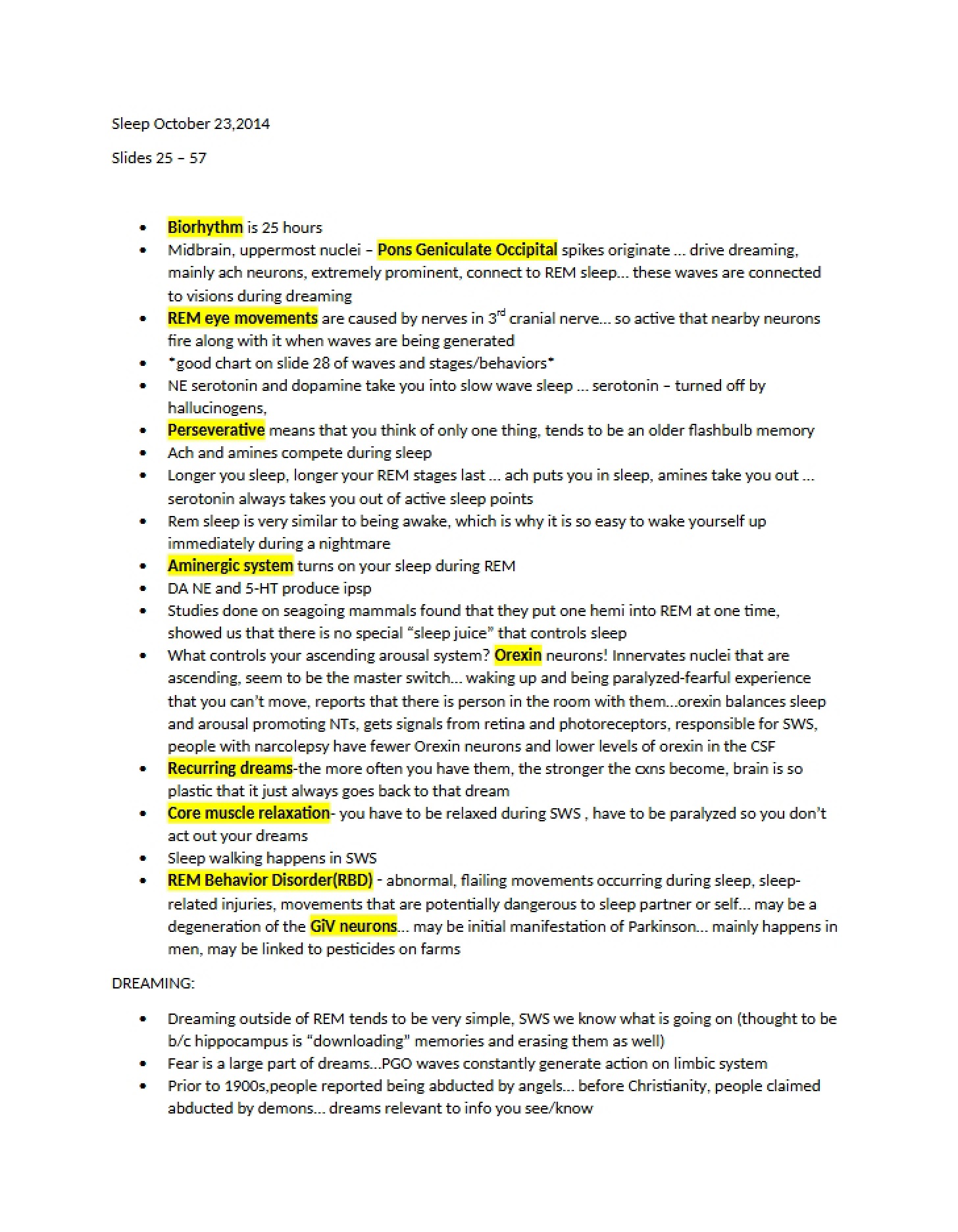
* The interplay between neurotransmitter systems and their impact on complex behaviors.
* Neurological basis of conditions like Parkinson’s, schizophrenia, and epilepsy.
What This Document Provides
* An overview of major neurotransmitters and their core functions.
* Exploration of the relationship between neurochemistry and psychological phenomena.
* Insights into how different neurotransmitters interact and influence brain activity.
* Discussion of the biological factors contributing to various behavioral patterns.
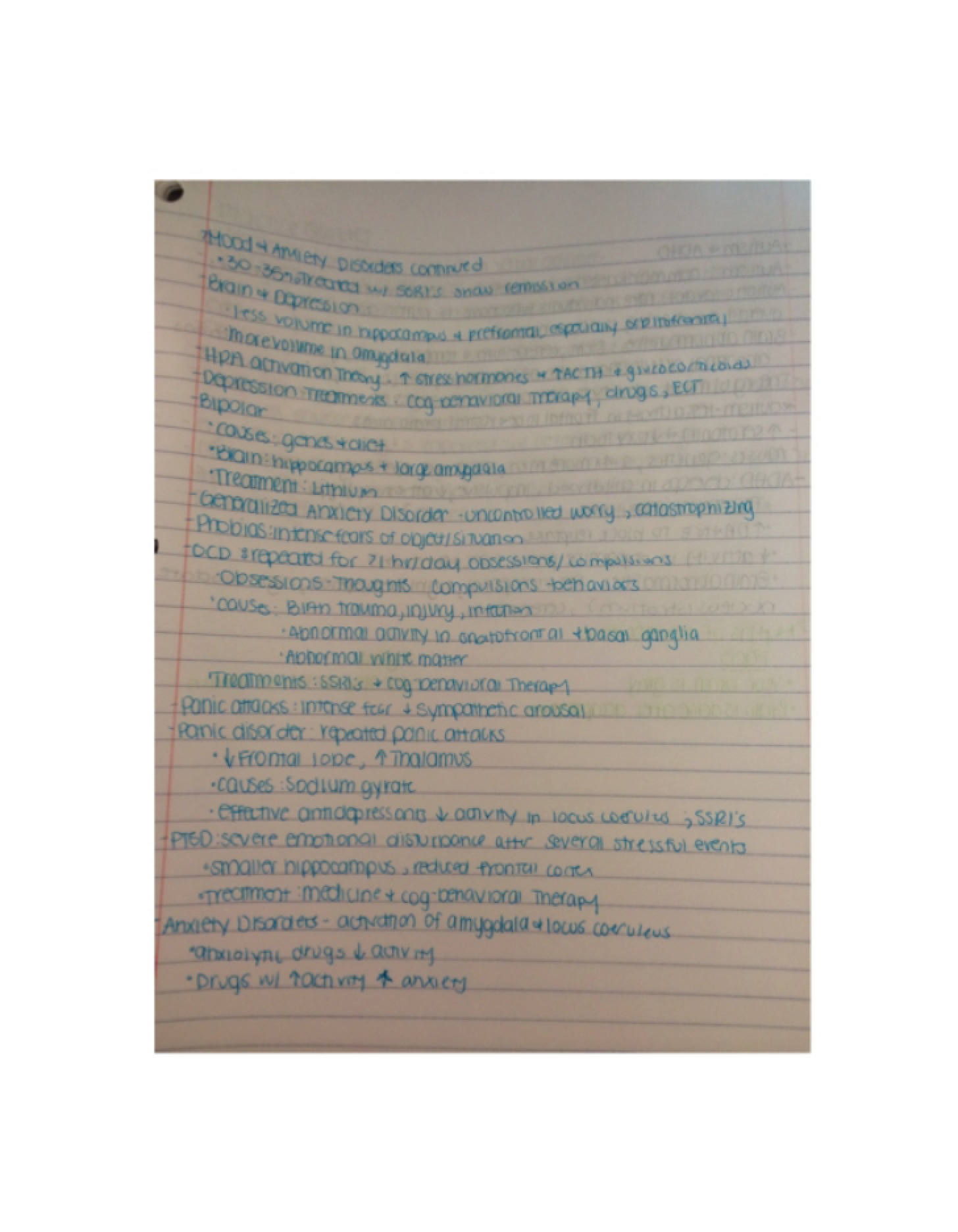
* Connections between neurochemical imbalances and specific psychological conditions.
* Consideration of factors influencing impulsivity and self-control.