What This Document Is
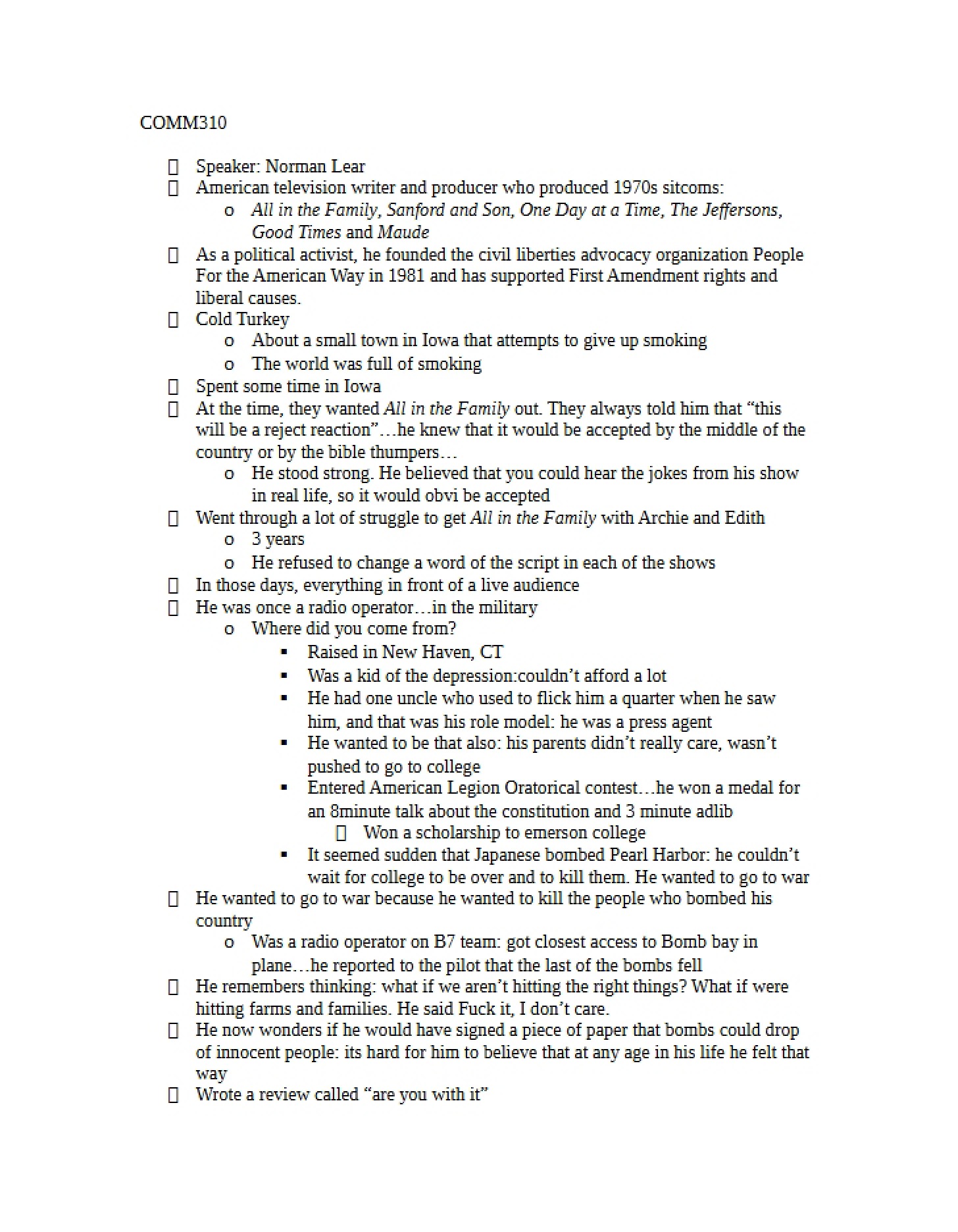
This material represents lecture notes taken during a University of Southern California COMM 310: Media and Society class session held on January 25th. The notes center around a compelling personal narrative used to explore broader themes concerning media representation of conflict, the complexities of truth in wartime, and the powerful influence of propaganda. The core of the discussion revolves around an individual’s experiences and how those experiences intersected with, and were shaped by, media and public perception. It delves into the psychological and emotional impact of war, and the journey from participation to protest.
Why This Document Matters
Students enrolled in Media and Society, or those studying related fields like communication, political science, or history, will find these notes particularly valuable. They are best utilized as a supplementary resource *after* attending the corresponding lecture, to aid in clarifying key concepts and reinforcing understanding. These notes can be helpful when preparing for class discussions, formulating essay arguments, or studying for exams related to media effects, war reporting, and the construction of social realities. Individuals interested in the intersection of personal experience and broader socio-political narratives will also benefit.
Common Limitations or Challenges
These notes are a record of a single class session and represent one interpretation of the material presented. They do not constitute a comprehensive textbook or a substitute for required readings. The notes are focused on a specific case study and do not offer an exhaustive overview of all theories related to media and war. Furthermore, the notes are condensed and may require referencing additional course materials for full context. They do not include the full scope of the lecture, including potential in-class activities or discussions beyond what was directly noted.
What This Document Provides
* Insights into the relationship between individual experience and broader historical events.
* Exploration of the challenges in accurately portraying the realities of war through media.
* Discussion points surrounding the role of media in shaping public opinion during times of conflict.
* Consideration of the psychological impact of war on individuals and its connection to activism.
* References to relevant cultural artifacts (books, films) used to illustrate key concepts.
* Connections between personal narratives and the broader anti-war movement.