What This Document Is
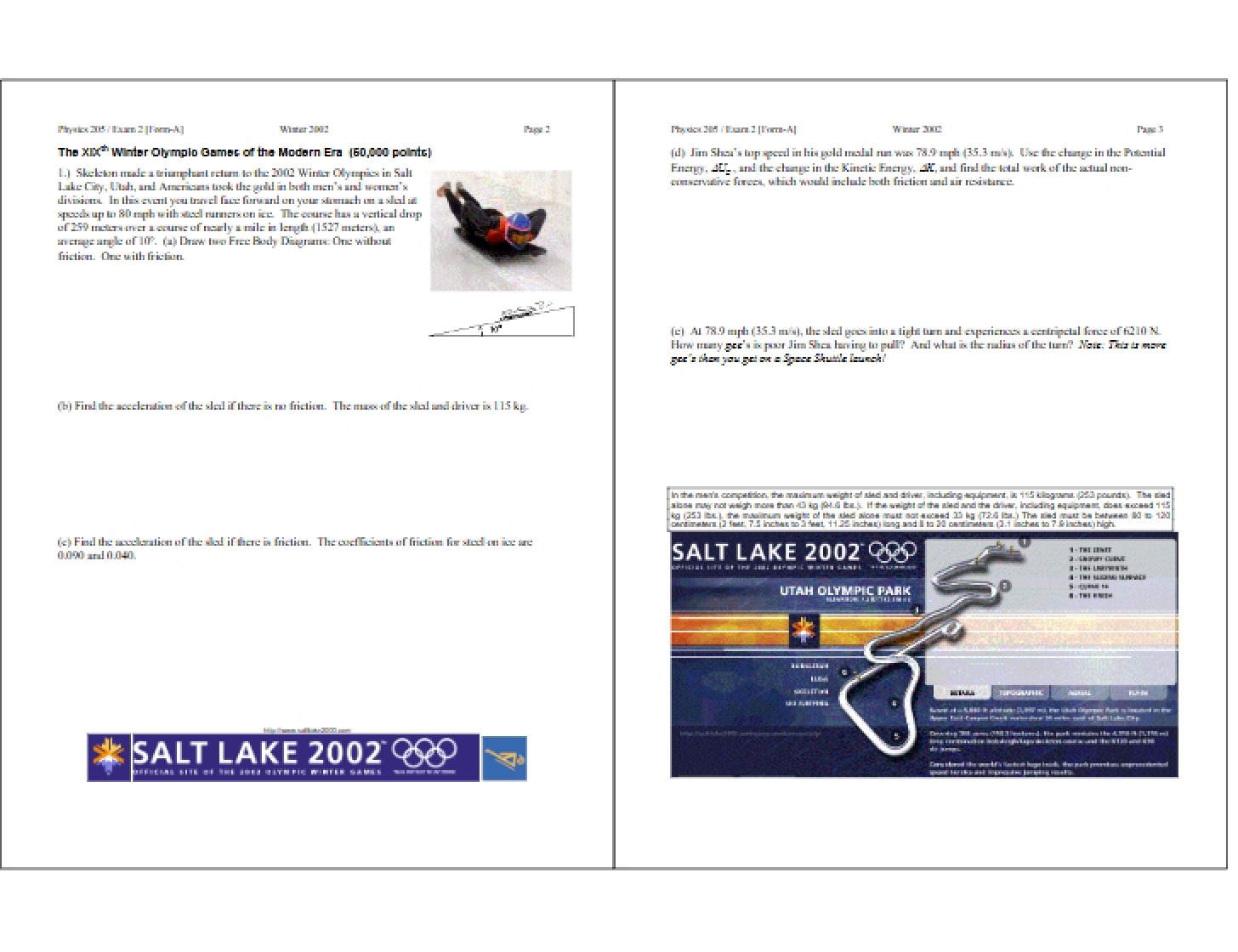
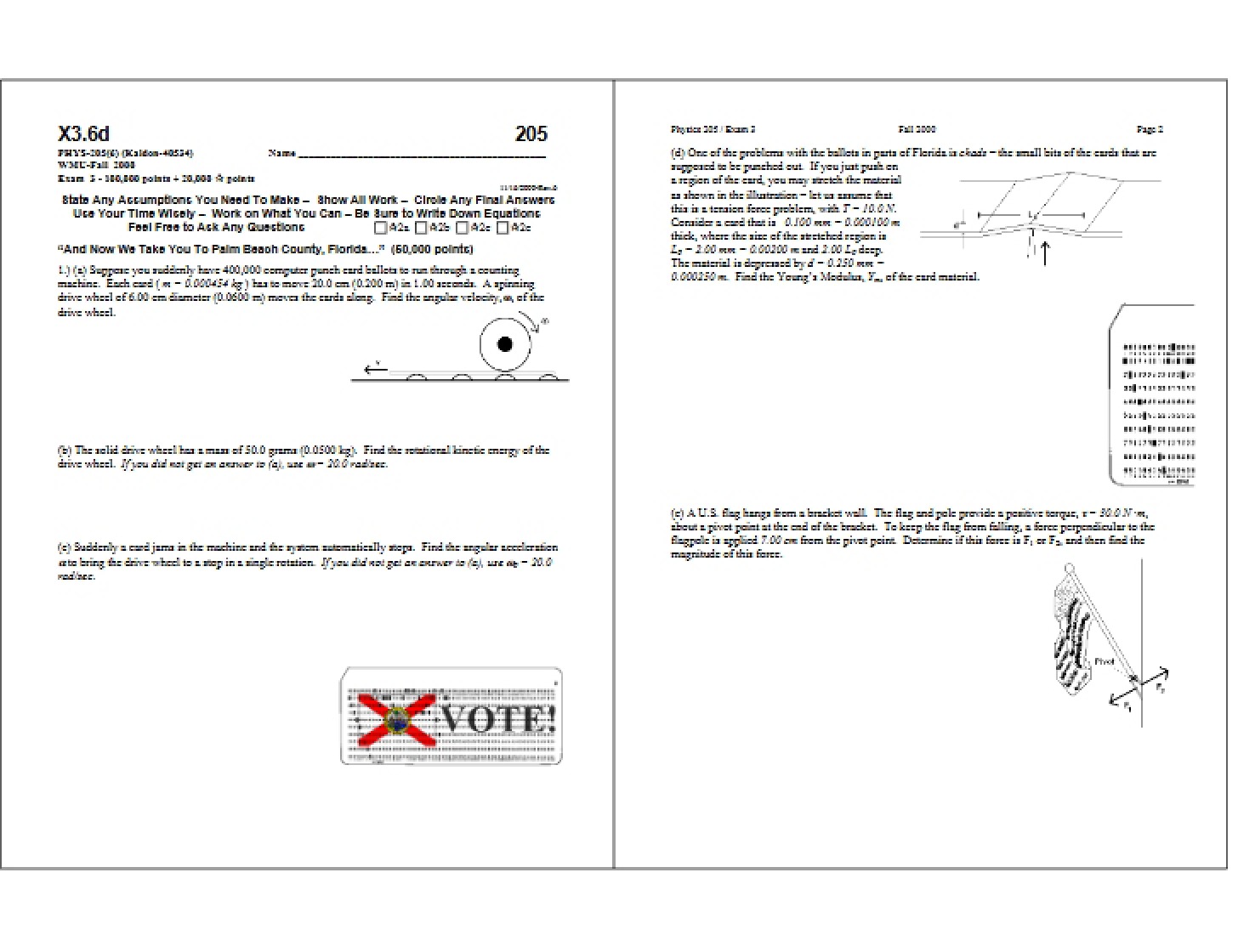
This is a closed-book examination for a University Physics I course (PHYS 2050) at Western Michigan University. It assesses your understanding of core physics principles, likely covering mechanics and energy concepts. The exam is designed to test problem-solving abilities and the application of theoretical knowledge to practical scenarios. Expect a focus on quantitative analysis and demonstrating a clear understanding of underlying physics.
Why This Document Matters
This resource is invaluable for students currently enrolled in a similar University Physics I course. It’s particularly useful as a study aid *after* you’ve engaged with course materials – lectures, textbooks, and homework assignments. Reviewing a sample exam format helps you identify areas where your understanding might be weaker and allows you to practice applying concepts under timed conditions. It’s also beneficial for understanding the types of questions and the level of detail expected by your instructor. Access to the full exam can help refine your test-taking strategies.
Common Limitations or Challenges
This document represents *one* specific assessment. It does not encompass the entirety of potential exam questions or topics covered in the course. Relying solely on this exam for preparation may not be sufficient for a comprehensive understanding. Furthermore, the specific context and wording of problems will vary on actual exams. This resource does not provide worked solutions or explanations; it’s designed to be a practice tool, not a substitute for learning the material.
What This Document Provides
* A variety of physics problems related to topics like dynamics, friction, and work-energy principles.
* Problems involving forces, motion, and potentially rotational mechanics.
* Scenarios requiring the application of physics concepts to real-world situations (e.g., banked curves, elevators).
* Problems that require free-body diagrams and careful consideration of forces acting on objects.
* An indication of the point value assigned to different problem types, offering insight into the relative importance of various concepts.
* A glimpse into the expected format and style of questions on the course examination.