What This Document Is
These are detailed lecture notes from ST 210: Stat Reason and Application at the University of South Alabama, covering foundational concepts in statistical analysis. The notes delve into descriptive statistics and the interpretation of data distributions, building upon earlier chapter material. They focus on understanding how data is structured and summarized, moving beyond simple calculations to explore the *meaning* behind the numbers. The material appears to be geared towards practical application, referencing software compatibility and real-world variable examples.
Why This Document Matters
This resource is ideal for students currently enrolled in ST 210 who want a comprehensive record of class discussions and explanations. It’s particularly helpful for reinforcing understanding after lectures, preparing for quizzes or exams, or clarifying concepts that may be challenging. Students who benefit from a structured, written explanation alongside in-class learning will find these notes invaluable. They are also useful for revisiting key definitions and principles throughout the course and beyond, providing a solid base for further statistical study.
Common Limitations or Challenges
These notes are a *supplement* to attending lectures and completing assigned readings – they are not a replacement for active participation in the course. The notes provide explanations and context, but do not include worked examples or practice problems with solutions. Furthermore, while the notes reference specific variables, they do not provide the full datasets themselves. Access to the course textbook and other assigned materials is still required for a complete understanding.
What This Document Provides
* An exploration of different shapes of frequency distributions (bell-shaped, bimodal, skewed).
* A distinction between population parameters and sample statistics.
* Discussion on interpreting the standard deviation as a measure of variability.
* An overview of Chebyshev’s Rule and its application to any data set.
* An introduction to the Empirical Rule and its limitations.
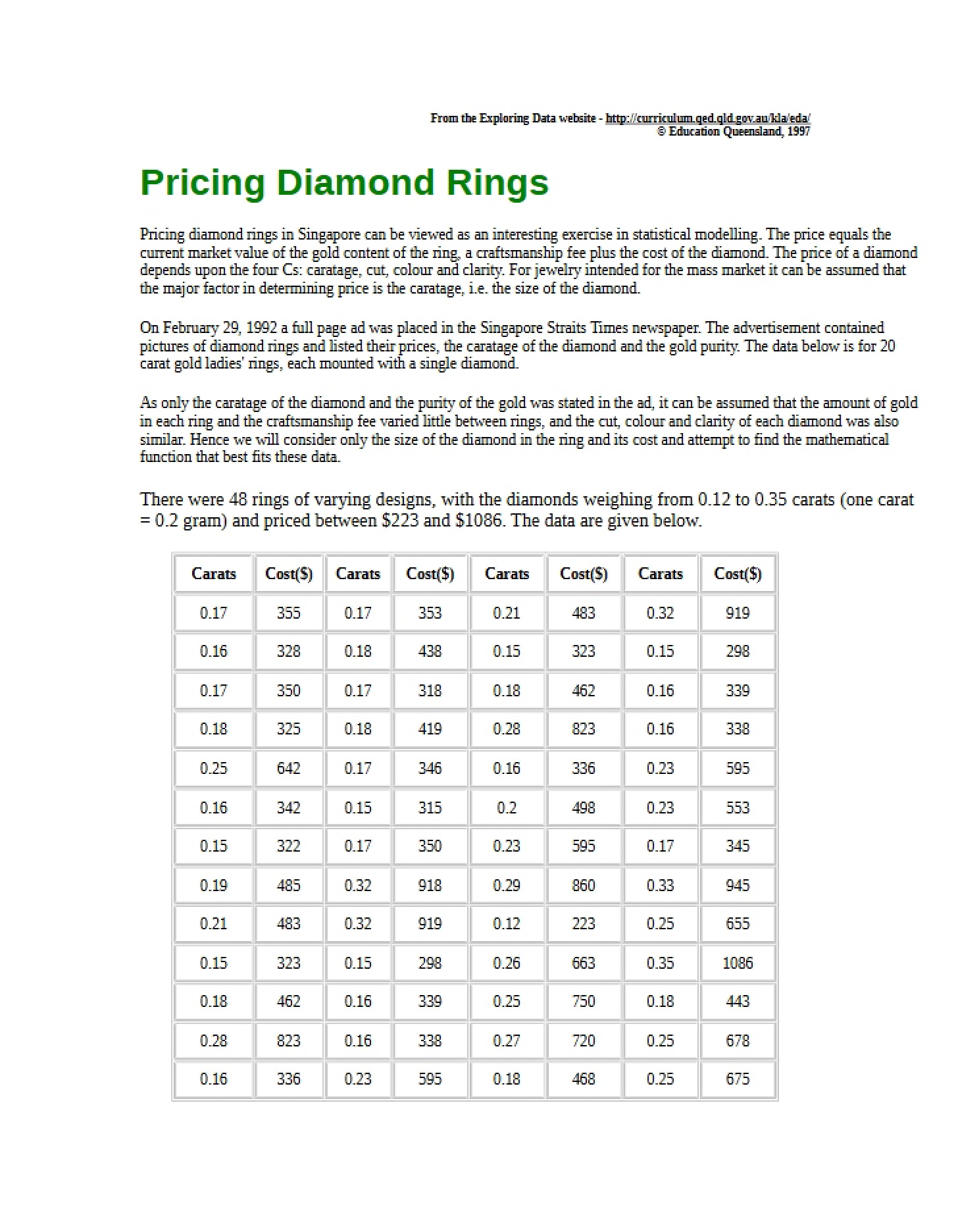
* Contextualization of statistical concepts with examples of real-world variables.