What This Document Is
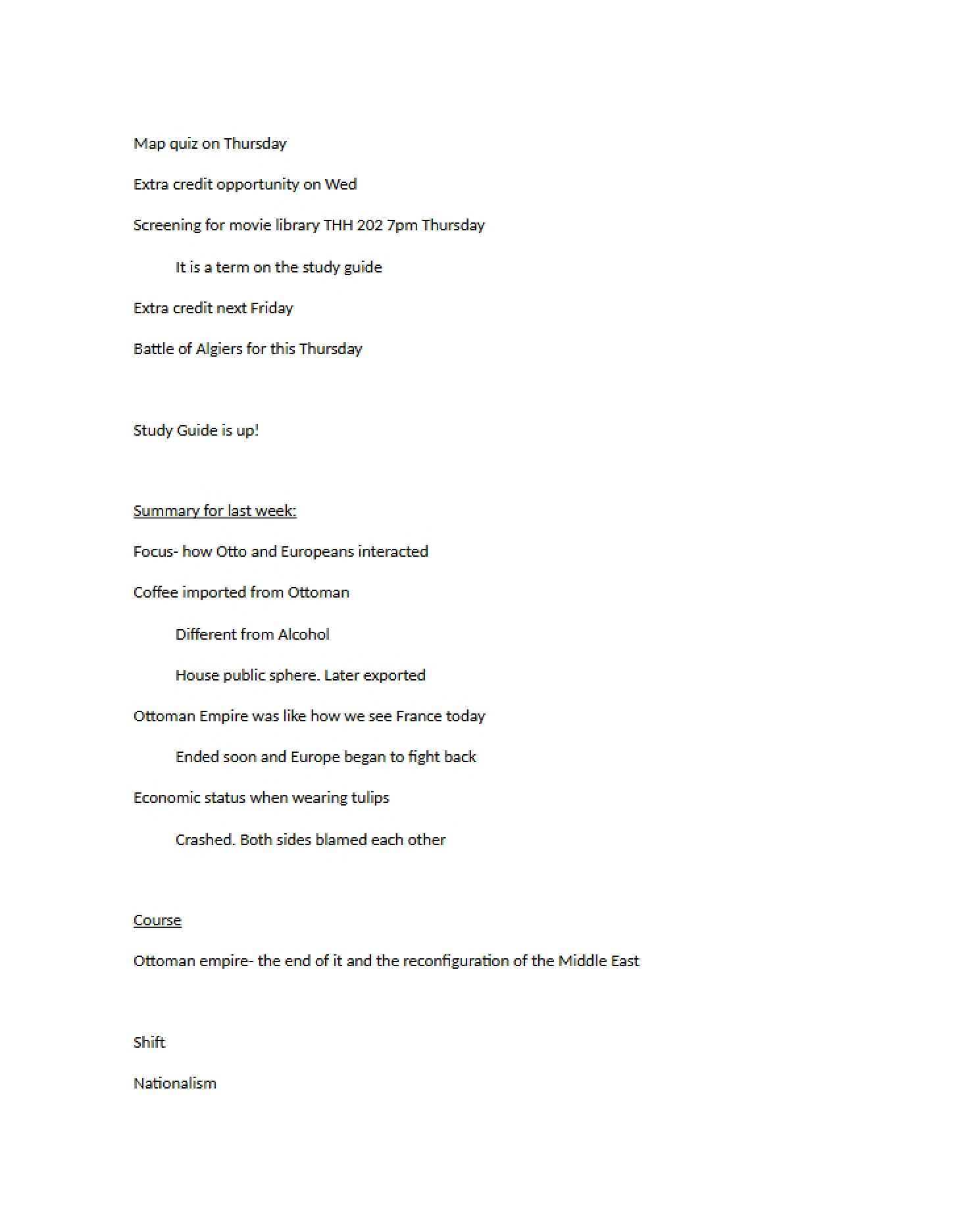
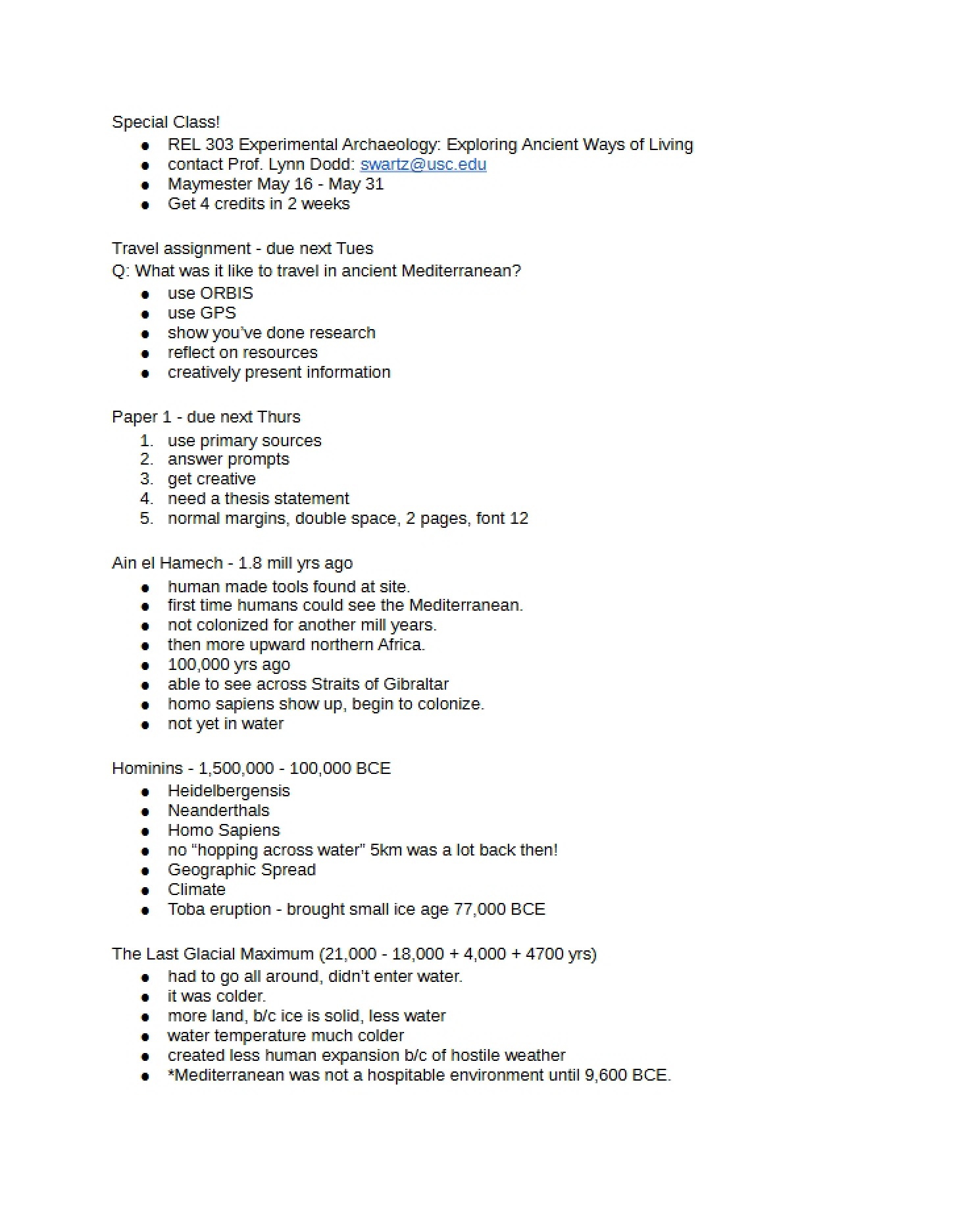
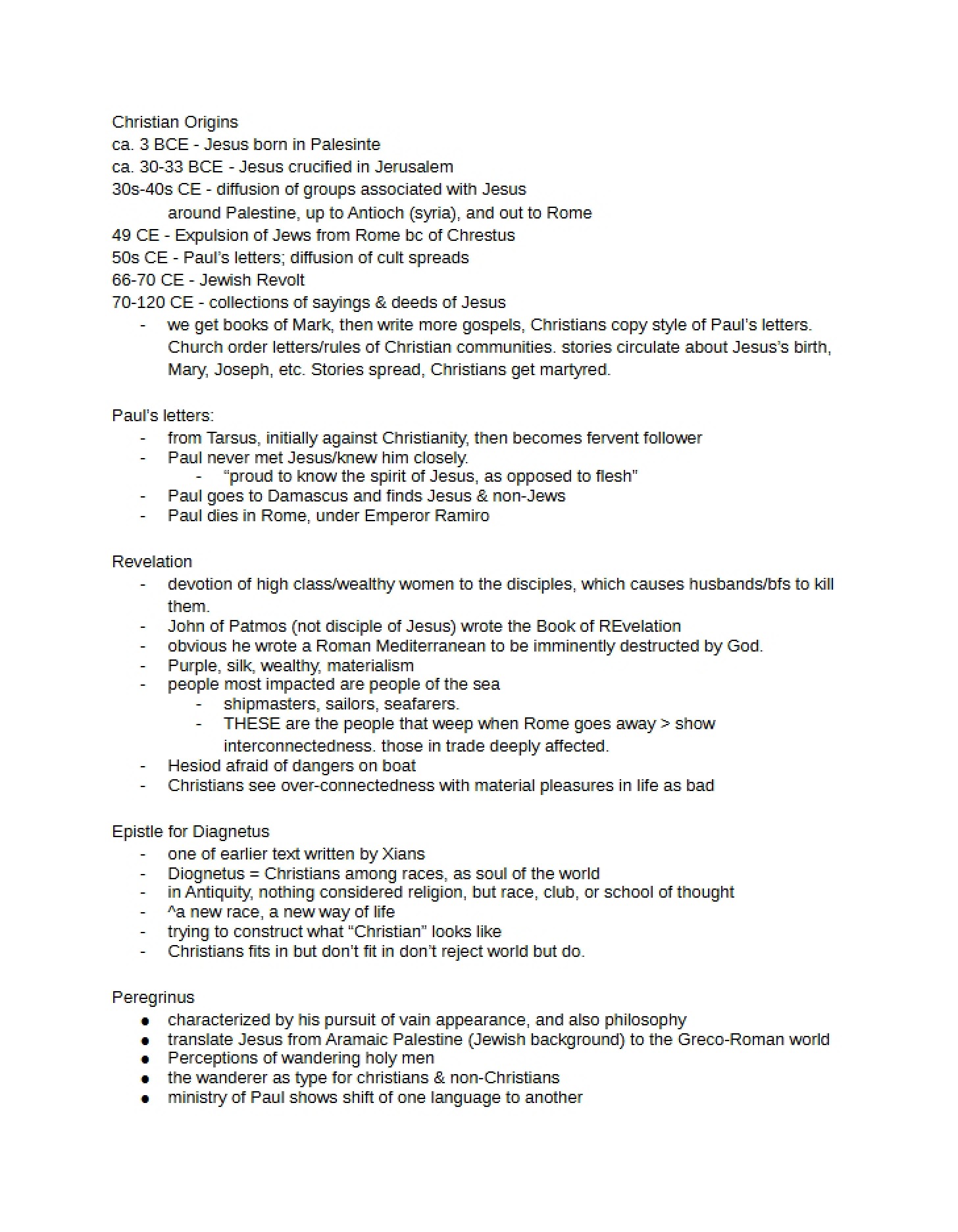
These are detailed class notes from REL 114: The Mediterranean – A Religious History at the University of Southern California. The notes cover interactions between the Mediterranean world – specifically focusing on the period between 1550 and 1750 – and explore the complex relationships between Christian and Muslim societies. The material delves into cultural exchange, political dynamics, and the impact of trade and conflict on perceptions and realities within the region. It examines how these interactions shaped both European and Ottoman perspectives, moving beyond simple narratives of religious opposition.
Why This Document Matters
Students enrolled in REL 114 will find these notes invaluable for reinforcing lecture material and preparing for deeper study. They are particularly useful for those seeking a more comprehensive understanding of the historical context surrounding religious developments in the Mediterranean. These notes can be used during exam preparation, when completing research assignments, or simply to enhance comprehension of course readings. Anyone interested in the history of cross-cultural exchange, the Ottoman Empire, or the early modern Mediterranean will benefit from exploring the topics covered.
Common Limitations or Challenges
These notes represent a specific interpretation of course material and should not be considered a substitute for attending lectures or completing assigned readings. They offer a focused perspective on key themes and events, but do not provide a complete, exhaustive account of the period. The notes are designed to *supplement* your learning, not replace it. They also do not include primary source analysis or detailed arguments – those are explored within the course itself.
What This Document Provides
* Exploration of the dynamics of capture and its prevalence during periods of conflict.
* Insight into the organization and function of significant military groups.
* Discussion of the role of trade networks in fostering interaction between different cultures.
* Examination of European perceptions of Ottoman culture and vice versa.
* Overview of key figures and their contributions to understanding the period.
* Contextualization of significant historical events and their impact on the Mediterranean region.