What This Document Is
These are detailed class notes from STAT 571: Statistical Methods for Bioscience I, offered at the University of Wisconsin-Madison. The notes cover foundational concepts in statistical analysis, specifically geared towards applications within biological and health sciences. They represent a comprehensive record of lecture material, expanding on core principles and providing a structured framework for understanding statistical techniques. The material begins with a focus on descriptive statistics and progresses into introductory statistical theory.
Why This Document Matters
This resource is invaluable for students currently enrolled in STAT 571, or a similar introductory biostatistics course. It’s particularly helpful for those who benefit from a detailed, written companion to lectures. These notes can be used for review before exams, clarifying confusing concepts, or as a reference while completing assignments. Students who struggle with in-class note-taking or prefer a more organized presentation of the material will find this particularly useful. Access to these notes can significantly enhance comprehension and improve performance in the course.
Common Limitations or Challenges
These notes are designed to *supplement* – not replace – active participation in lectures and assigned readings. They do not include worked examples or step-by-step solutions to practice problems. The notes also assume a basic level of mathematical literacy. While concepts are explained, a strong foundation in algebra is helpful. Furthermore, the notes represent a specific instructor’s approach to the material and may differ in emphasis or presentation from other resources.
What This Document Provides
* A detailed overview of descriptive statistical methods.
* Discussion of key concepts related to populations and samples.
* Explanation of foundational principles of statistical inference.
* Coverage of data representation techniques, including graphical methods.
* Clarification of important definitions and terminology used in statistical analysis.
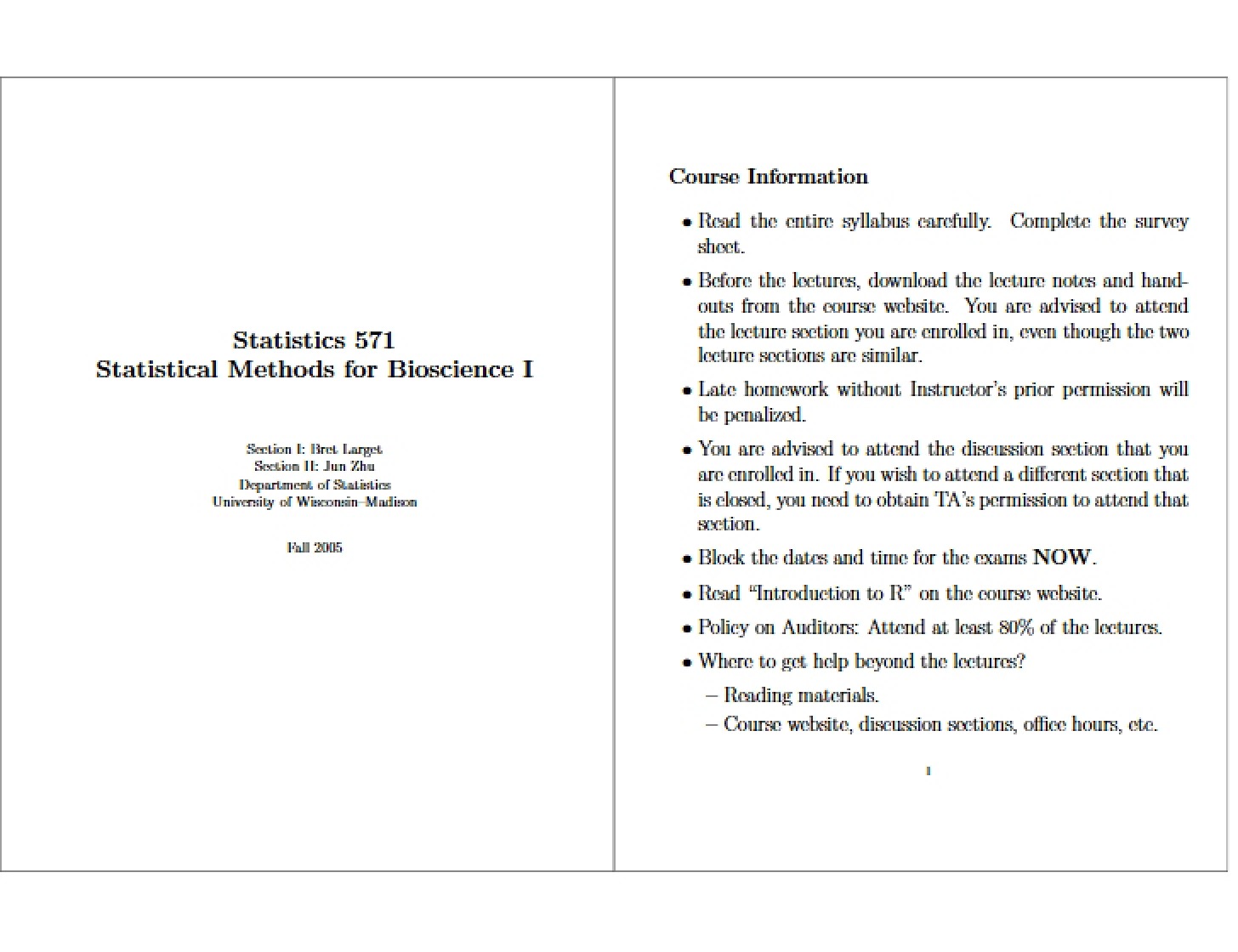
* Guidance on course expectations and policies.
* An exploration of the distinction between inductive and deductive reasoning in a statistical context.
* Introduction to measures of central tendency and dispersion.