What This Document Is
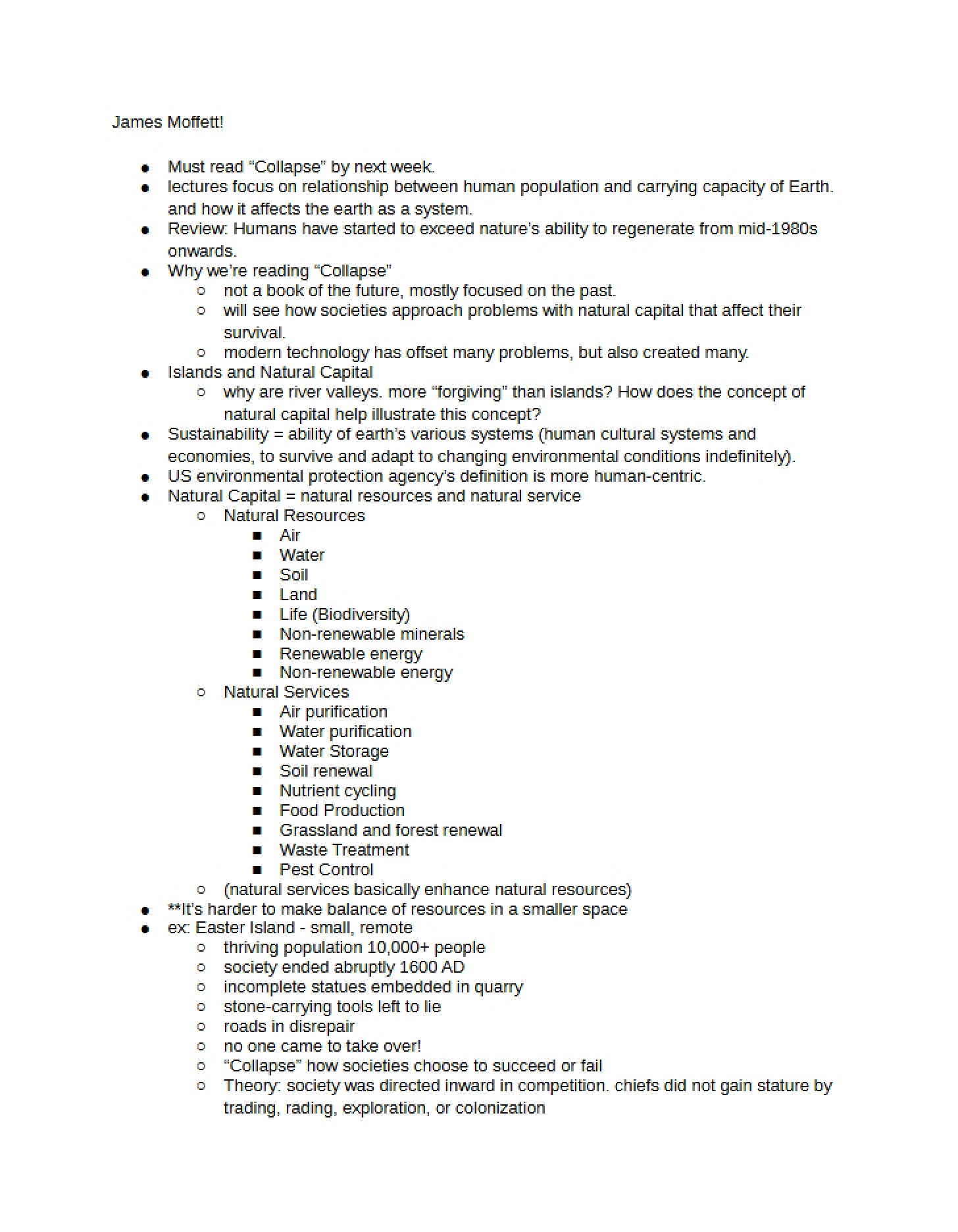
This material represents a class session from BISC 102: Humans and Their Environment at the University of Southern California, dated February 9, 2016. It focuses on the critical intersection of natural systems and human impact, specifically exploring the dynamics of climate change and the carbon cycle. The session appears to be lecture notes, likely accompanied by visual aids and discussion points, designed to build a foundational understanding of complex environmental processes. It delves into the historical context of climate variability and the role of greenhouse gases.
Why This Document Matters
Students enrolled in BISC 102, or anyone studying introductory environmental science, ecology, or sustainability, will find this session valuable. It’s particularly useful for those seeking to grasp the core concepts underpinning climate change science *before* tackling more detailed research or problem-solving. Reviewing this material before an exam or while completing related assignments can help solidify understanding of key terminology and relationships. It’s best used as a supplement to textbook readings and other course materials, providing a focused overview of a specific lecture’s content.
Common Limitations or Challenges
This session represents a single point in a larger course. It does *not* provide a complete overview of Humans and Their Environment, nor does it offer independent research data or detailed experimental procedures. The material is presented as lecture notes, meaning it’s designed to be understood within the context of a classroom discussion and may not be entirely self-explanatory without that background. It also doesn’t include any practice questions or assessments. Access to the full session is required to fully benefit from the information presented.
What This Document Provides
* An overview of the concept of “Natural Capital” and examples of its vulnerability.
* Discussion of long-term climate trends and methods used to study past atmospheric conditions.
* Explanation of the processes governing energy flow within the Earth’s system.
* A focused exploration of the carbon cycle, including the significance of fossil fuels.
* Introduction to the concept of climate change feedbacks – both stabilizing and accelerating.
* Key terminology related to surface reflectivity and its impact on temperature.
* Discussion of observed changes in global temperatures and greenhouse gas concentrations.