What This Document Is
This is the official syllabus for EE 80S: Sustainability Engineering and Practice, offered at the University of California, Santa Cruz during the Fall 2008 semester. It serves as a comprehensive guide outlining the course structure, expectations, and logistical details for students enrolled in this interdisciplinary exploration of sustainability. It details the course’s aims and how it fits within the broader curriculum.
Why This Document Matters
This syllabus is essential for anyone considering enrolling in EE 80S, as well as currently registered students. It clarifies the course objectives, grading criteria, and schedule of topics. Reviewing this document *before* the course begins will help you understand the commitment required and determine if the course aligns with your academic interests and goals. It’s a vital resource for planning your semester and maximizing your learning experience.
Topics Covered
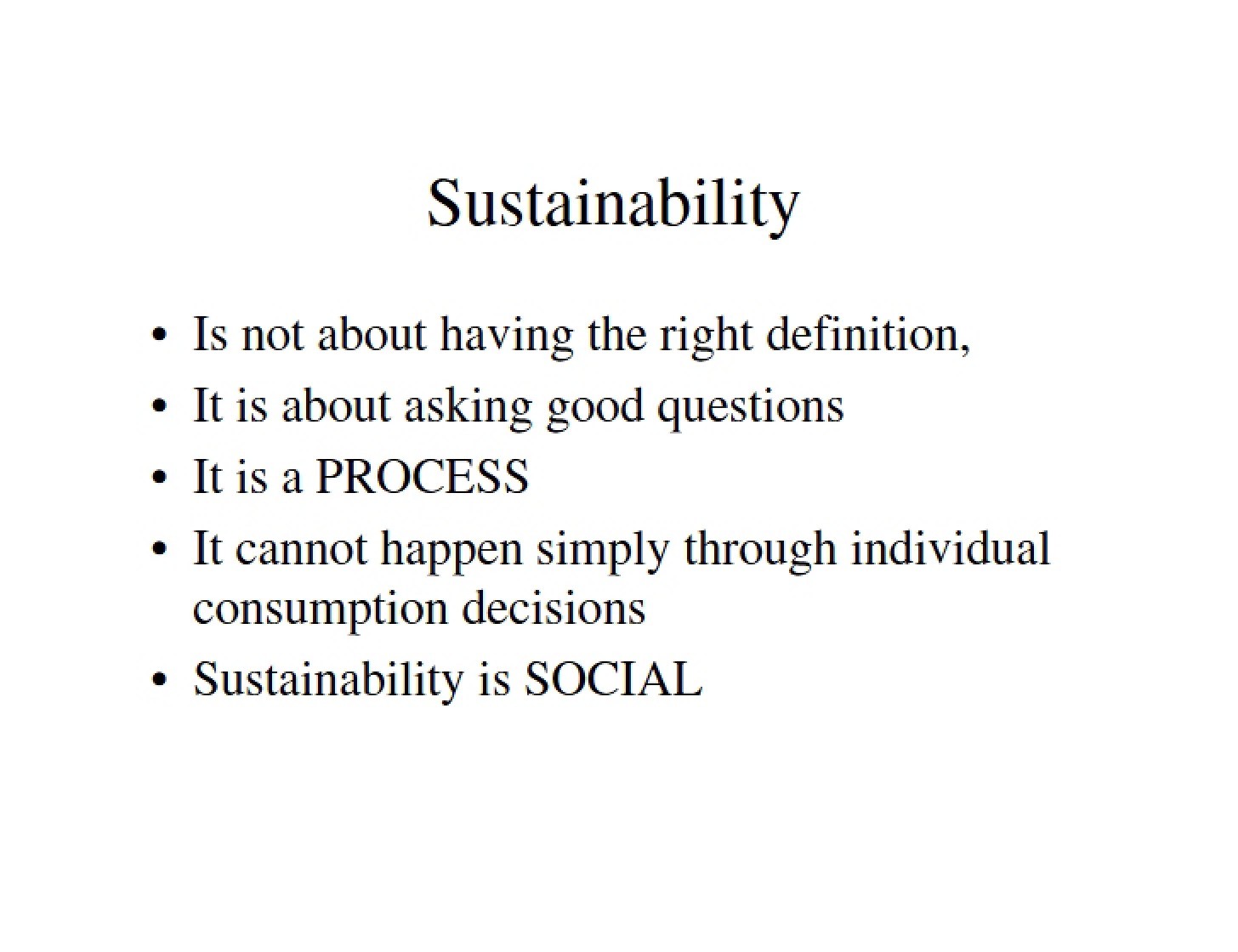
* Foundational concepts of sustainability – encompassing technological, social, and individual perspectives.
* The intersection of engineering, ecological design, and environmental stewardship.
* Principles of resource management and their application to human systems.
* Energy systems – including global energy landscapes, consumption patterns, and conservation strategies.
* Ecological principles and their relevance to sustainable practices.
* Approaches to assessing environmental impacts and developing solutions.
* The structure and requirements for a group research and grant proposal project.
What This Document Provides
* A complete listing of instructors, teaching assistants, and course managers with contact information.
* Details regarding required readings and supplementary resources.
* A week-by-week schedule outlining lecture topics and discussion section themes.
* An overview of the course’s assessment methods, including quizzes, projects, and optional final exam.
* Links to relevant external resources, such as examples of successful EPA grant projects and information about related summer programs.
* Clear expectations for student participation and academic performance.