What This Document Is
This document presents lecture material focused on malicious code, a critical component within the field of computer security. It delves into the nature of malware, exploring its various forms and the underlying principles that govern its behavior. The content appears to be based on university-level instruction, drawing from established research and historical examples in the domain. It provides a foundational understanding of how malicious programs operate and evolve.
Why This Document Matters
This resource is invaluable for students pursuing studies in cybersecurity, computer science, or related fields. It’s particularly useful for anyone seeking a deeper understanding of the threats facing computer systems and networks. Professionals involved in system administration, network security, or software development will also find the concepts discussed highly relevant to their work. Use this material to build a strong base for more advanced study or practical application of security principles.
Topics Covered
* The definition and broad categorization of malicious logic (malware)
* Detailed examination of computer viruses: replication methods and historical examples
* The evolution of virus development and early experimentation
* Analysis of worms: characteristics, propagation methods, and notable incidents
* Historical case studies of significant malware outbreaks
* Fundamental concepts related to malicious code behavior and potential defenses
* The importance of trust relationships in system security
What This Document Provides
* A historical overview of key milestones in the development of malicious code.
* Conceptual frameworks for understanding how malware functions.
* Illustrative examples of early viruses and worms and their impact.
* A pseudocode representation of a basic virus structure.
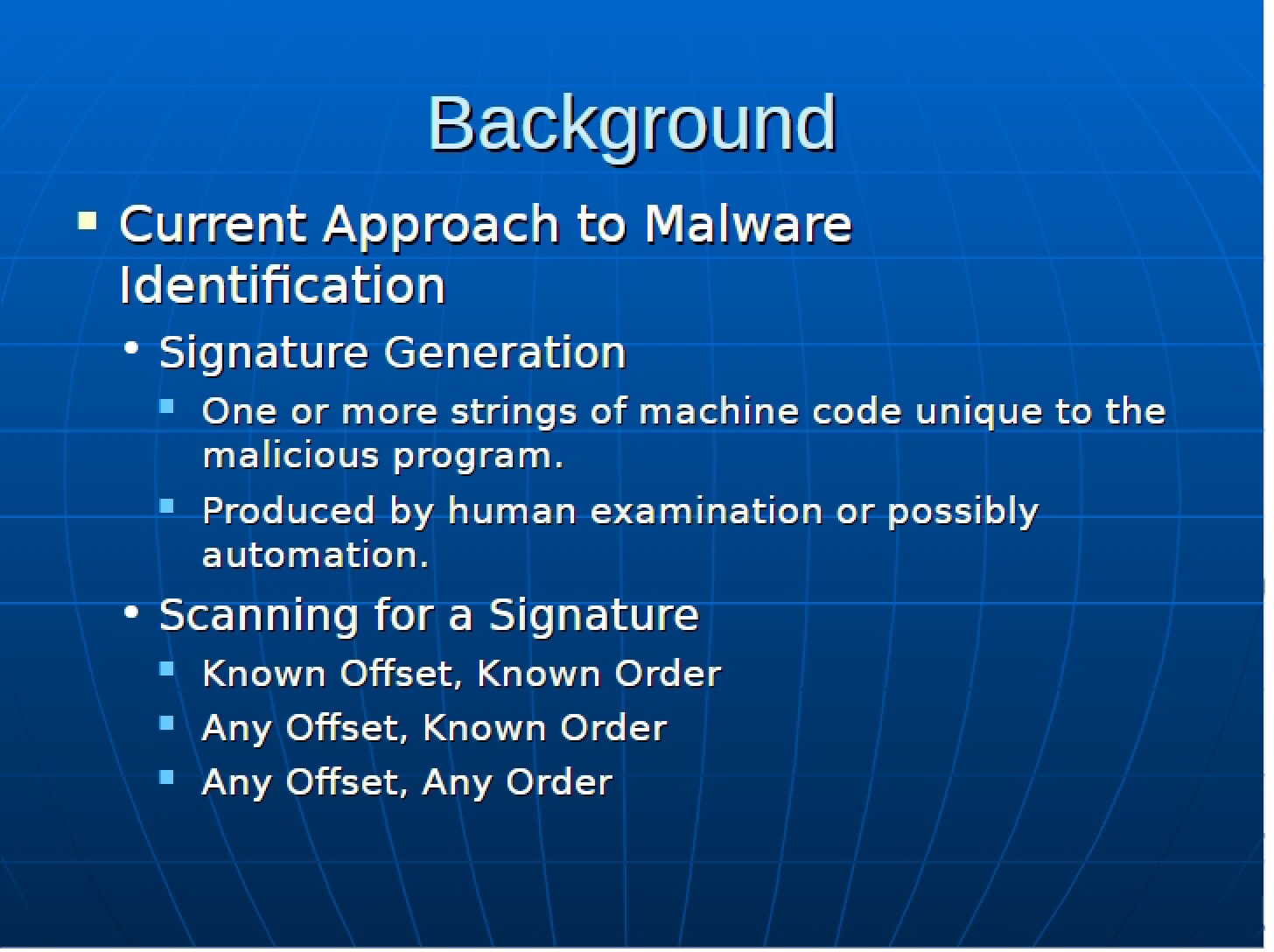
* Discussion of the challenges in detecting and mitigating malicious software.
* Insights into the motivations and techniques of malware authors.