What This Document Is
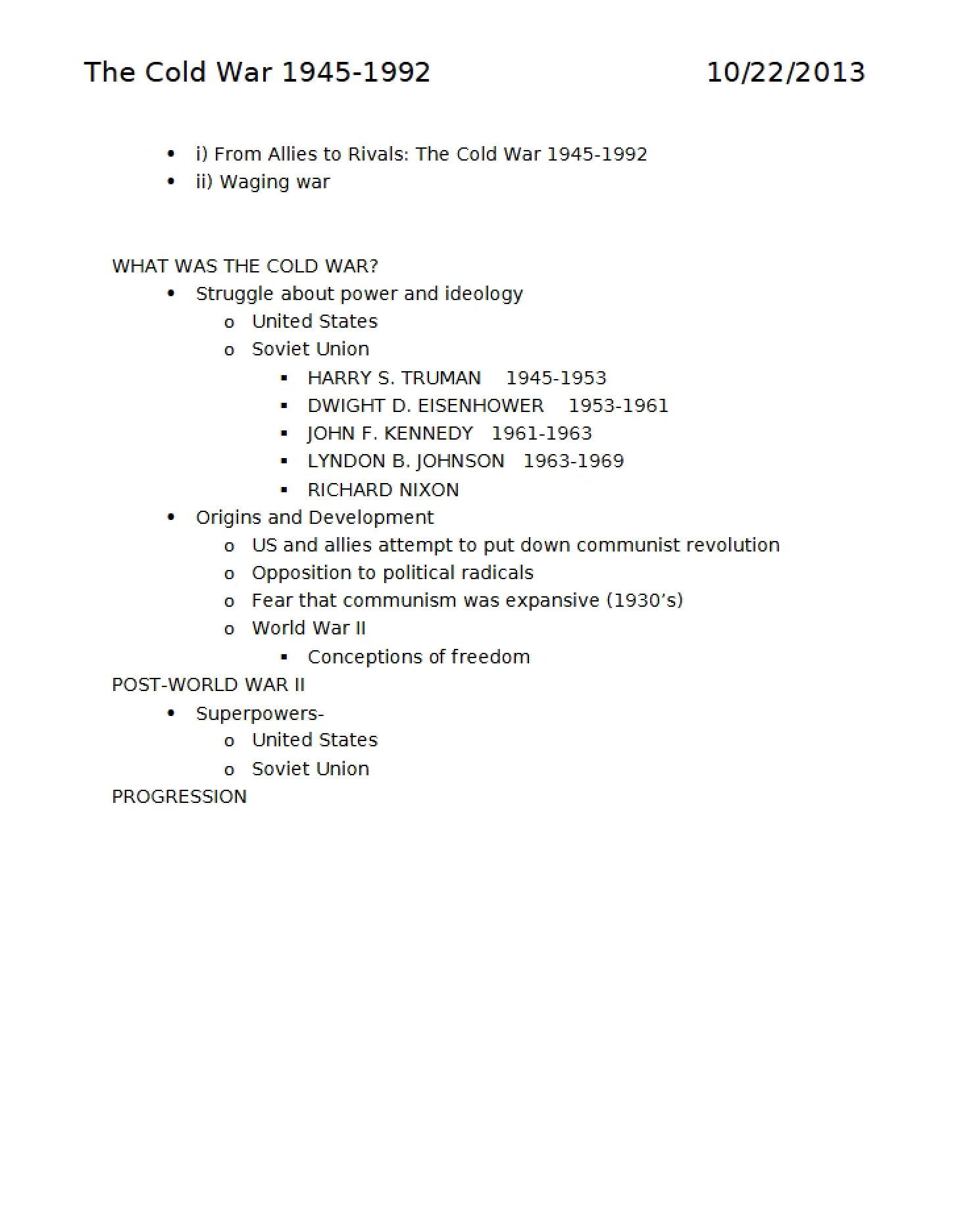
This is a detailed exploration of the cultural landscape of the Cold War era in the United States, specifically focusing on the period following World War II. It delves into how anxieties and ideologies surrounding the Cold War permeated various aspects of American life, moving beyond purely political and military considerations. The material examines the intersection of politics and culture, and how perceptions of communism shaped domestic policies and societal norms.
Why This Document Matters
Students enrolled in U.S. History courses, particularly those covering the period since 1865, will find this resource invaluable. It’s especially helpful for understanding the broader context of the Cold War – not just the geopolitical strategies, but the *feel* of the era. This material is beneficial when researching the impact of ideological conflict on American society, the Red Scare, and the evolution of political thought during a time of global tension. It’s a strong foundation for essays, research papers, and in-depth class discussions.
Topics Covered
* The rise of anti-communist sentiment in the U.S.
* The portrayal of communism in American culture and media
* The impact of Cold War anxieties on domestic policy
* Historical perceptions of the Soviet Union and its ideology
* The relationship between political ideology and individual liberties
* The influence of key figures and events on Cold War culture
* The complexities of defining and identifying communist influence
What This Document Provides
* An examination of the historical context surrounding the early Cold War period.
* Insights into the ways in which fears about communism shaped American perceptions.
* A look at the ideological underpinnings of the conflict and its cultural manifestations.
* Discussion of key events and figures that contributed to the Cold War atmosphere.
* A framework for understanding the broader societal impact of the Cold War beyond political and military strategy.