What This Document Is
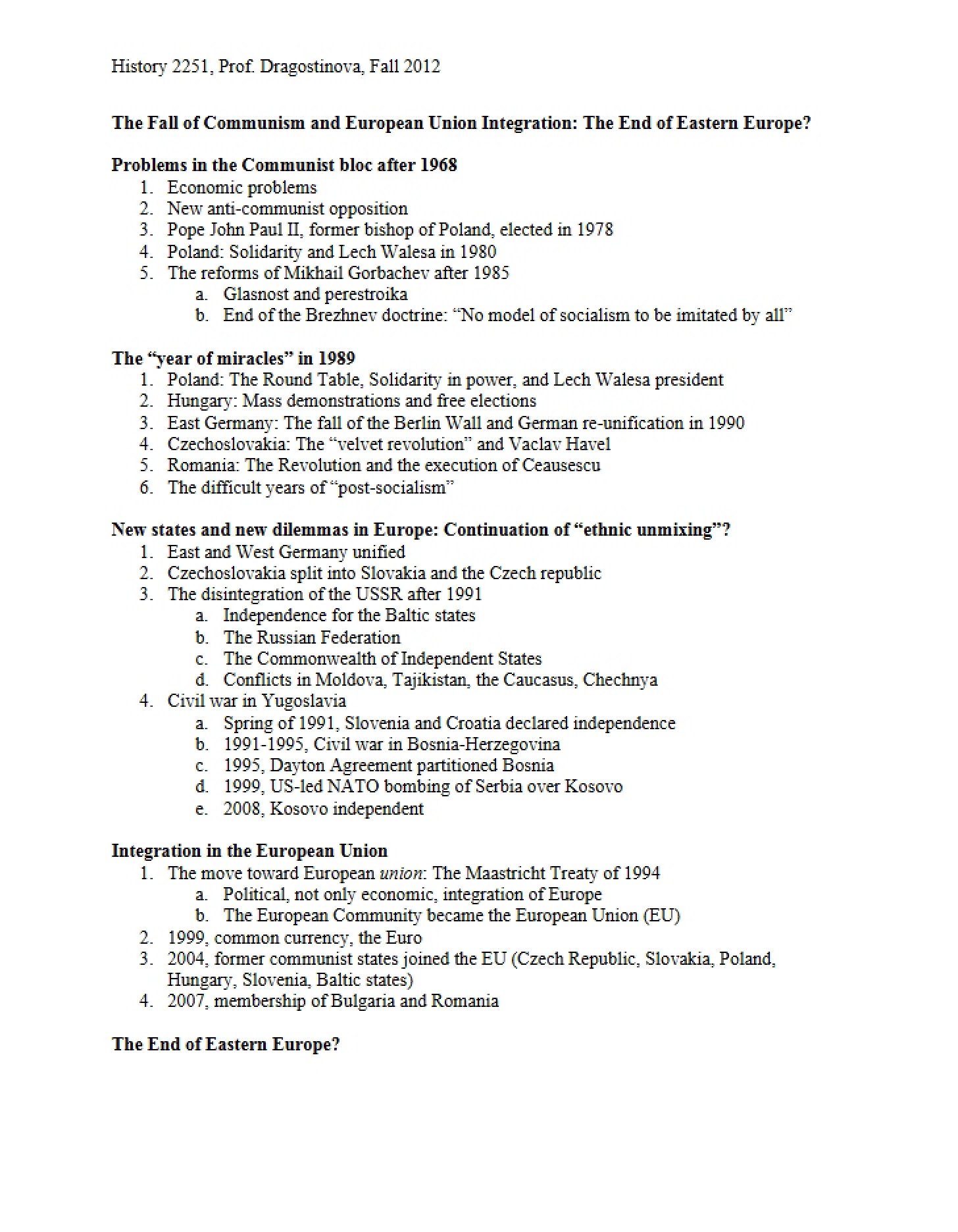
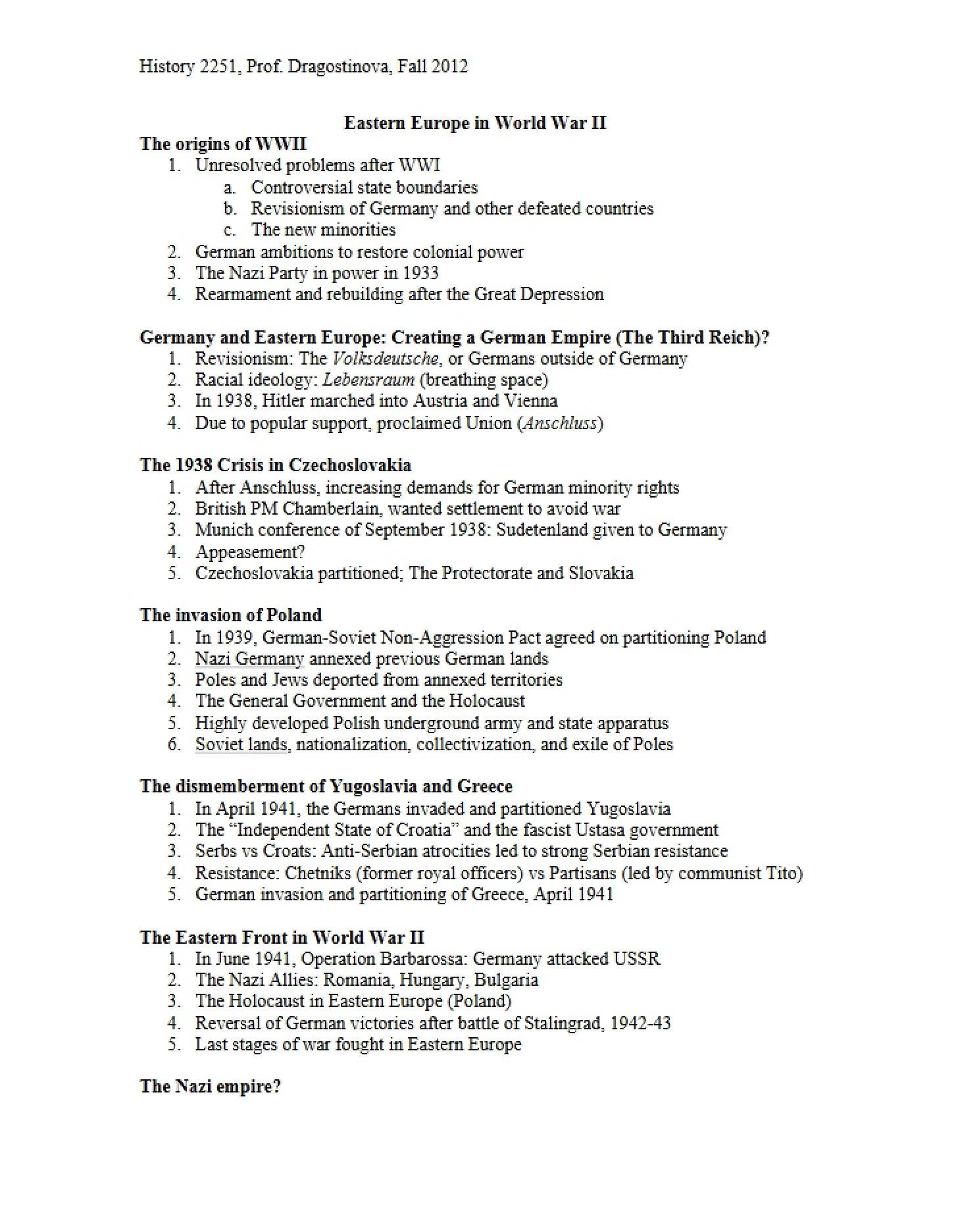
This comprehensive study guide delves into the complex history of Eastern Europe during the Cold War era. It’s designed for students of modern European history, specifically those studying the period from 1945 to the late 20th century. The material focuses on the geopolitical landscape of the region, examining the influence of the Soviet Union and the responses of Western powers. It explores the establishment and evolution of political systems, economic policies, and social conditions within the Eastern Bloc.
Why This Document Matters
This resource is ideal for students enrolled in courses covering 20th-century European history, Cold War studies, or Eastern European history. It’s particularly useful when preparing for exams, writing research papers, or seeking a deeper understanding of the historical forces that shaped the region. Students grappling with the nuances of post-war political realignment and the impact of ideological conflict will find this guide exceptionally valuable. It provides a foundational understanding of key events and concepts.
Topics Covered
* The immediate post-World War II landscape in Eastern Europe
* The formation of the Soviet bloc and its defining characteristics
* Key conferences and agreements shaping the post-war order (Yalta, Potsdam)
* The development and implementation of Cold War policies (containment, the Truman Doctrine, the Marshall Plan)
* The division of Germany and the Berlin Crisis
* Internal dynamics within the Eastern Bloc, including periods of reform and repression
* The concept of the Soviet Union’s influence as an “empire”
* Major uprisings and their suppression (Hungary, Czechoslovakia)
* The evolving relationship between Eastern European nations and the Soviet Union
What This Document Provides
* A chronological overview of major events during the Cold War in Eastern Europe.
* An examination of the political and economic structures established within the Soviet sphere of influence.
* Insight into the key figures and ideologies that drove the Cold War conflict.
* Context for understanding the social and cultural impact of Soviet control in Eastern Europe.
* A framework for analyzing the factors that ultimately contributed to the end of the Cold War and the transformation of Eastern Europe.