What This Document Is
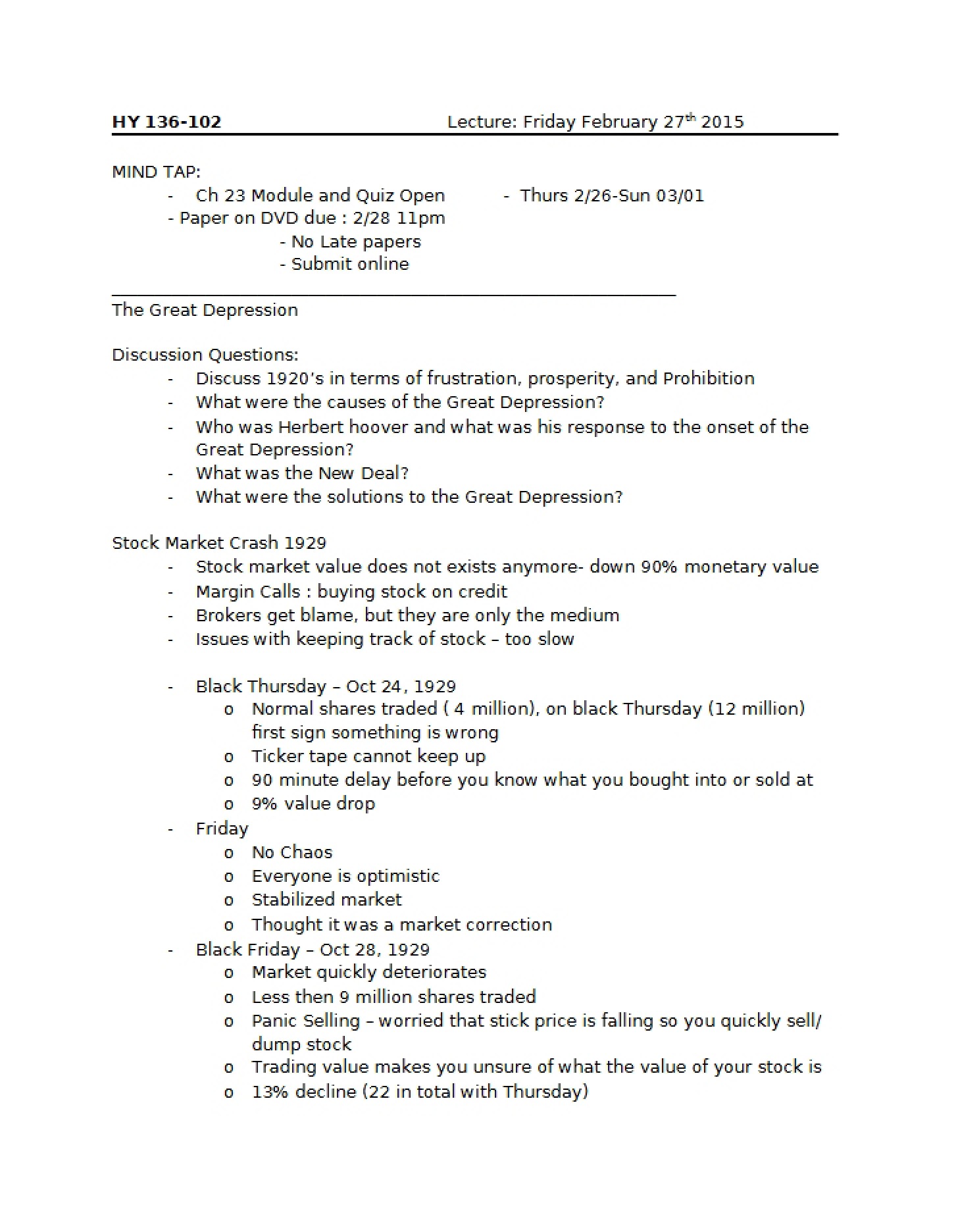
This resource provides a focused lecture covering the complex factors contributing to the economic downturn experienced by the United States following a period of significant growth. It delves into the underlying vulnerabilities within the American economic system during the late 1920s and early 1930s, examining the conditions that led to widespread financial hardship. The material is geared towards students studying post-1877 US History, specifically those seeking a deeper understanding of the causes and initial impacts of the Great Depression.
Why This Document Matters
Students enrolled in HY 136 – Us History Since 1877 at the University of South Alabama will find this particularly useful when preparing for assessments related to the interwar period. It’s ideal for supplementing textbook readings and class discussions, offering a concentrated analysis of a pivotal moment in American history. Understanding the economic forces at play during this era is crucial for grasping the subsequent political and social changes that defined the 20th century. This resource can be used for focused study sessions, essay preparation, or simply to reinforce core concepts.
Common Limitations or Challenges
This material concentrates on the *causes* and *initial societal effects* of the economic collapse. It does not offer detailed analysis of the New Deal policies implemented to address the crisis, nor does it cover the long-term consequences of the Depression beyond its immediate impact. It’s designed to be a focused exploration of the pre-Depression economic landscape and the immediate fallout, and should be used in conjunction with other course materials for a comprehensive understanding. Specific numerical data and detailed policy breakdowns are not the primary focus.
What This Document Provides
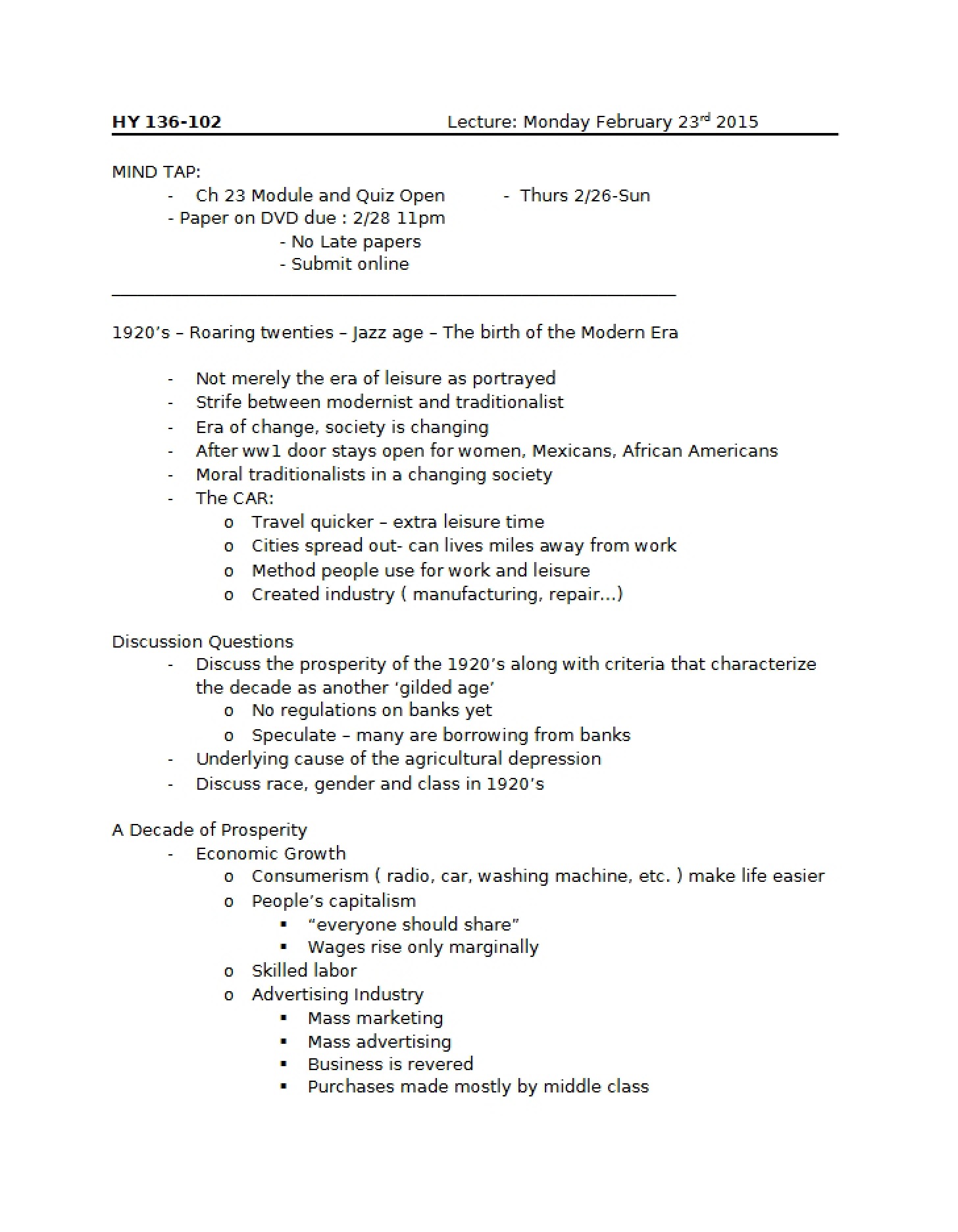
* An examination of wealth and income distribution trends in the 1920s.
* Analysis of the structure of the banking system and its inherent weaknesses.
* Discussion of the role of stock market practices and regulation (or lack thereof).
* Exploration of America’s position as a creditor nation and the constraints of the gold standard.
* Insight into the impact of economic policies, including tariff legislation and Federal Reserve actions.
* Overview of the social consequences experienced by Americans during the initial stages of the economic downturn.
* Contextualization of the prevailing economic philosophies and the response of the Hoover administration.