What This Document Is
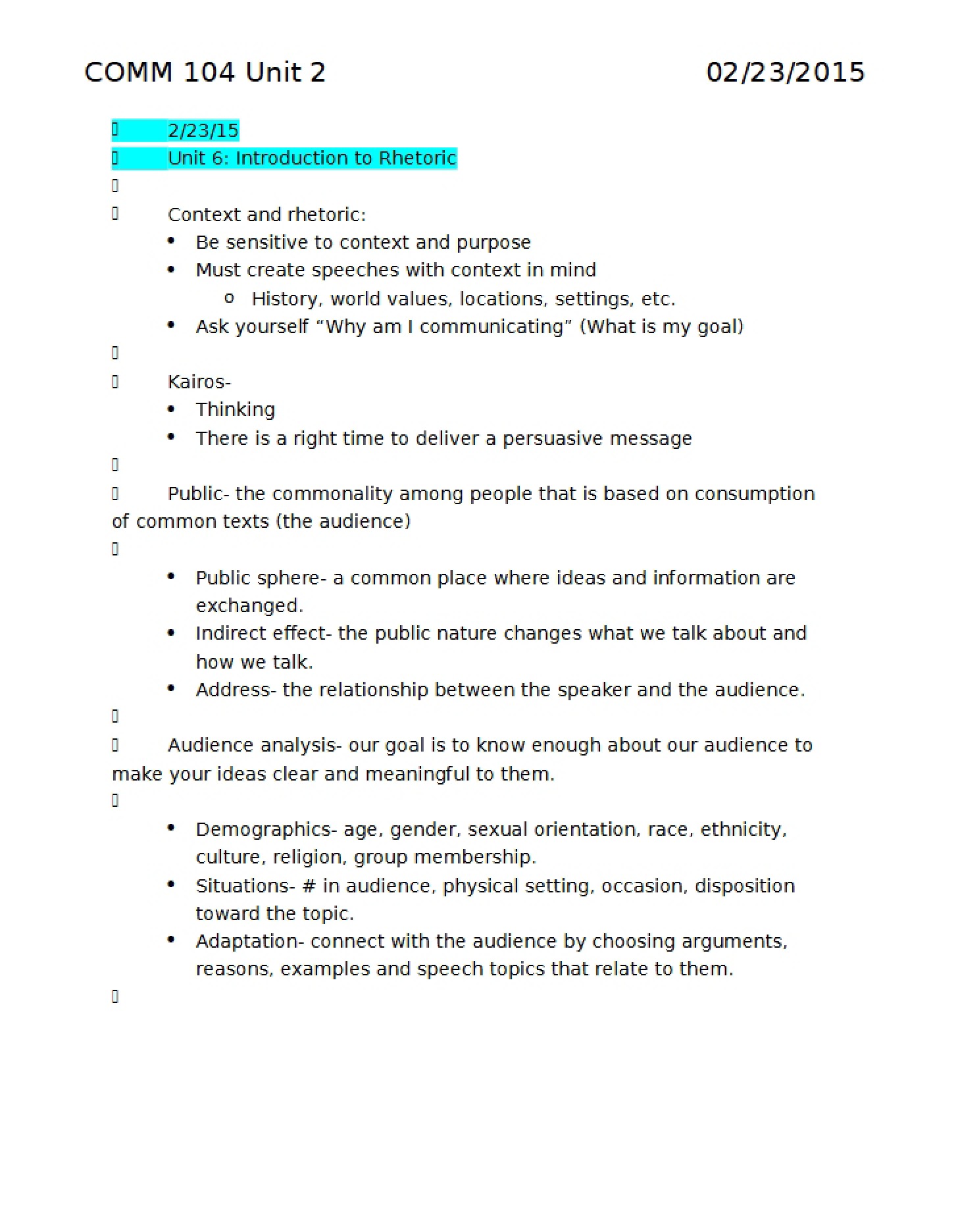
This resource is a focused exploration of foundational concepts within Public Communication (COMM 104) at West Virginia University. It delves into the historical roots and core principles of rhetoric – the art of persuasive communication – and outlines key frameworks for understanding how messages are crafted and delivered. The material examines different approaches to rhetorical communication based on context and purpose, and introduces the elements that contribute to effective persuasion. It’s designed to build a strong theoretical base for analyzing and creating compelling communication.
Why This Document Matters
This is an invaluable resource for students enrolled in COMM 104 seeking a deeper understanding of the course material. It’s particularly helpful for those who want to proactively grasp the fundamental theories *before* lectures, or as a reference while completing assignments. Anyone aiming to improve their ability to critically analyze persuasive messages – whether in political discourse, advertising, or everyday interactions – will find this a useful study aid. It’s best utilized alongside course lectures and readings to reinforce learning.
Common Limitations or Challenges
This material provides a theoretical overview and does not include specific examples of rhetorical analysis or application to current events. It will not offer complete answers to assignment questions, nor does it substitute for active participation in class discussions. The resource focuses on establishing a conceptual foundation; practical application and detailed case studies are addressed separately within the course. It also doesn’t cover advanced rhetorical techniques beyond the introductory level.
What This Document Provides
* An overview of the historical development of rhetorical theory, tracing its origins to ancient Greece.
* A categorization of different rhetorical contexts and their unique aims.
* An introduction to the core components of persuasive appeals.
* A breakdown of the elements that contribute to a speaker’s credibility.
* A framework for understanding the organization and delivery of effective speeches.
* An outline of classical rhetorical principles and their relevance to modern communication.