What This Document Is
This is a focused section from a comprehensive course on statistical methods, specifically addressing the comparison of proportions between two distinct groups. It’s part of a larger module on statistical inference and hypothesis testing, building upon foundational concepts in probability and data analysis. The material delves into scenarios where you’re examining categorical data – outcomes that fall into defined categories like “success” or “failure” – across different populations. It’s designed for students learning to apply statistical rigor to real-world questions involving binary responses.
Why This Document Matters
Students in introductory statistics, particularly those in fields like biology, public health, social sciences, or business, will find this resource invaluable. It’s crucial for anyone needing to analyze data where the outcome isn’t a continuous measurement, but rather a proportion representing the occurrence of a specific characteristic within a population. Understanding how to compare these proportions is essential for drawing valid conclusions about potential differences or associations between groups. This material is particularly helpful when you need to determine if observed differences are statistically significant or simply due to random chance.
Common Limitations or Challenges
This resource focuses specifically on the *methodology* for comparing proportions. It does not provide a broad overview of all hypothesis testing techniques, nor does it cover data collection methods or the interpretation of results in specific contexts. It assumes a foundational understanding of statistical concepts like null and alternative hypotheses, sampling distributions, and standard errors. It also doesn’t offer pre-calculated values or step-by-step solutions to specific problems; rather, it lays out the theoretical framework for conducting these analyses.
What This Document Provides
* An exploration of scenarios involving two populations and binary response variables.
* Discussion of the core principles behind testing for homogeneity (differences in proportions) between groups.
* An introduction to testing for independence – examining if there’s an association between two categorical variables.
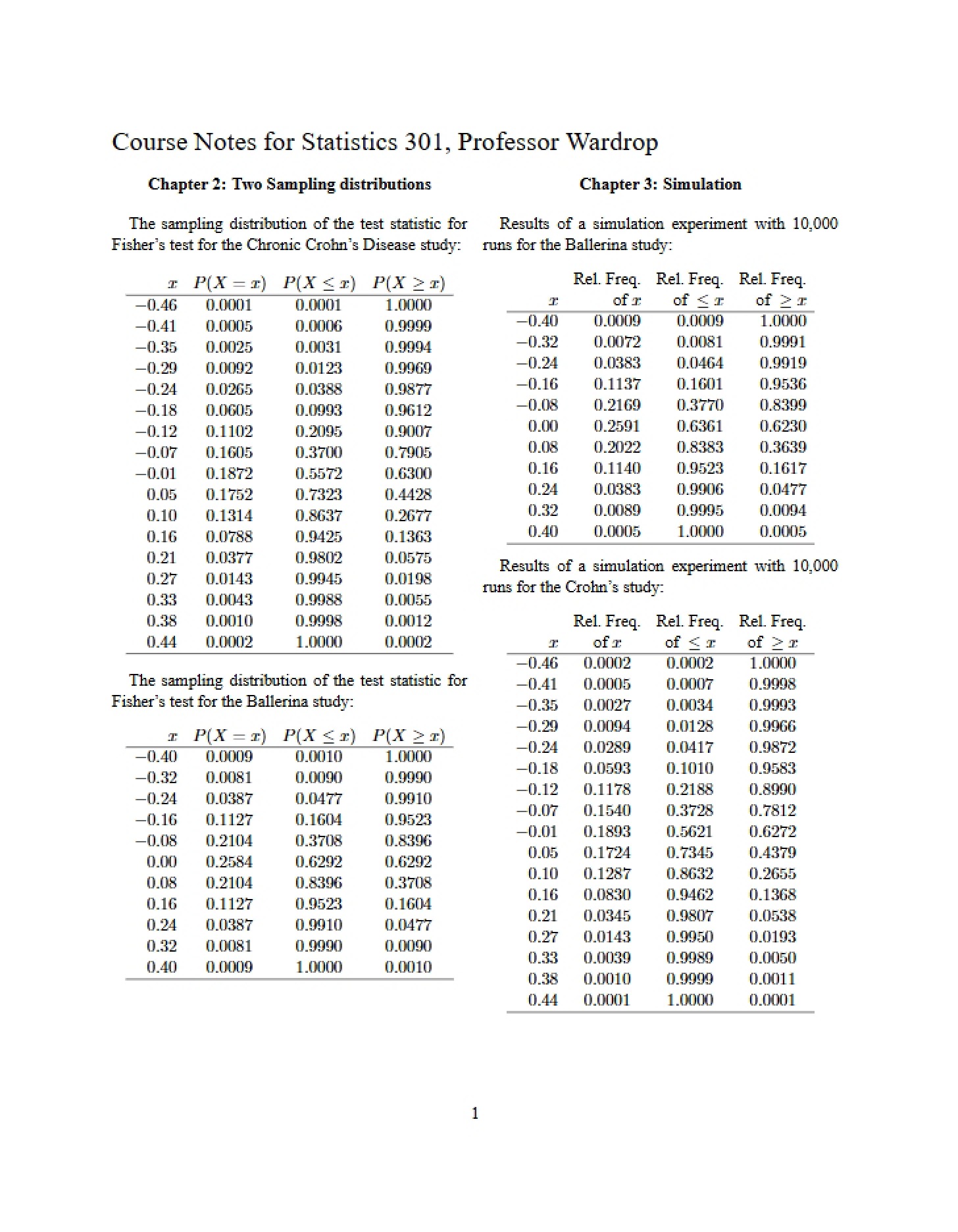
* Framework for understanding the sampling distribution of the difference between two proportions.
* Guidance on utilizing a “pooled” estimate for standard error calculations.
* Conceptual groundwork for constructing confidence intervals and performing hypothesis tests related to proportions.