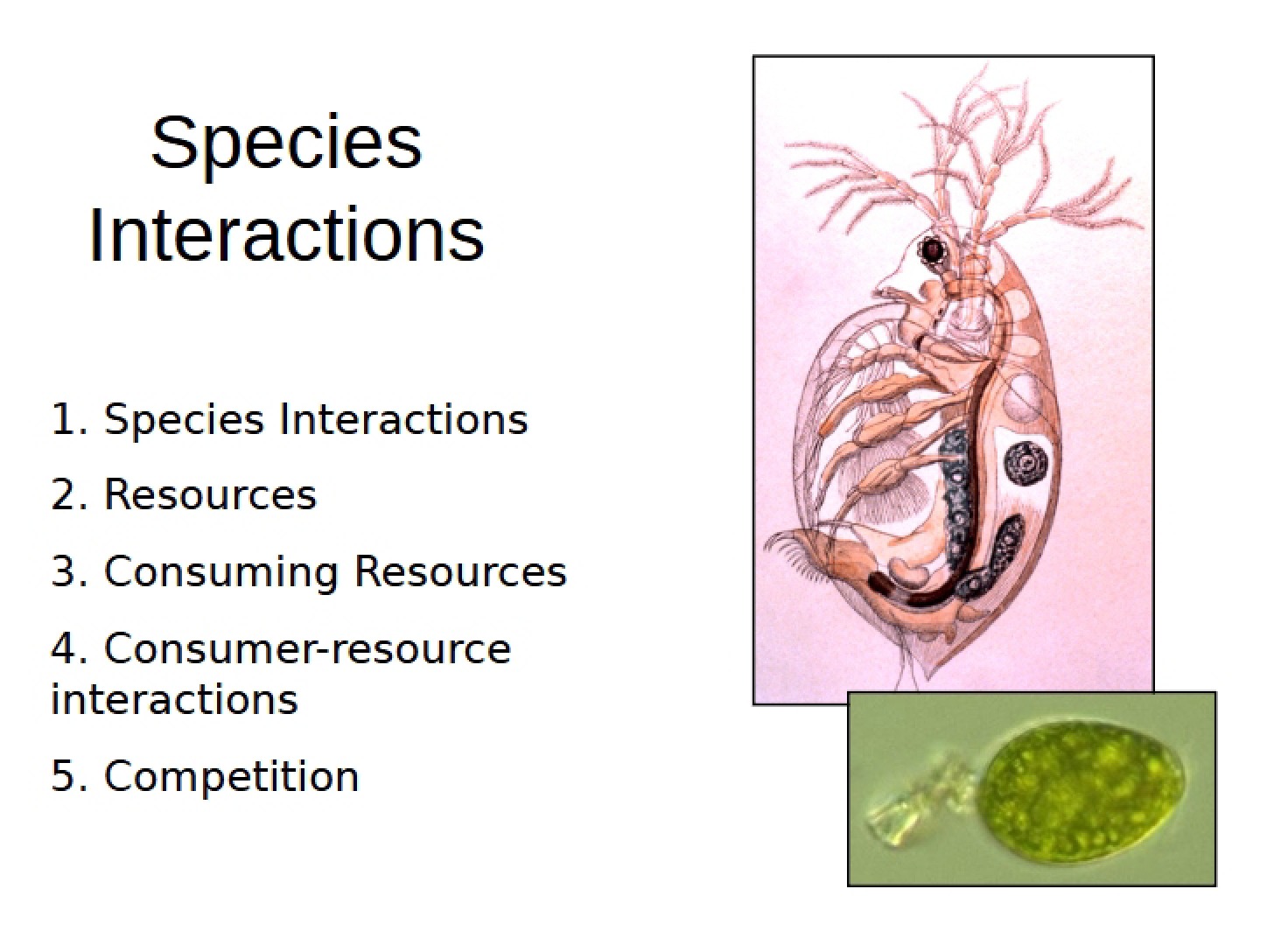
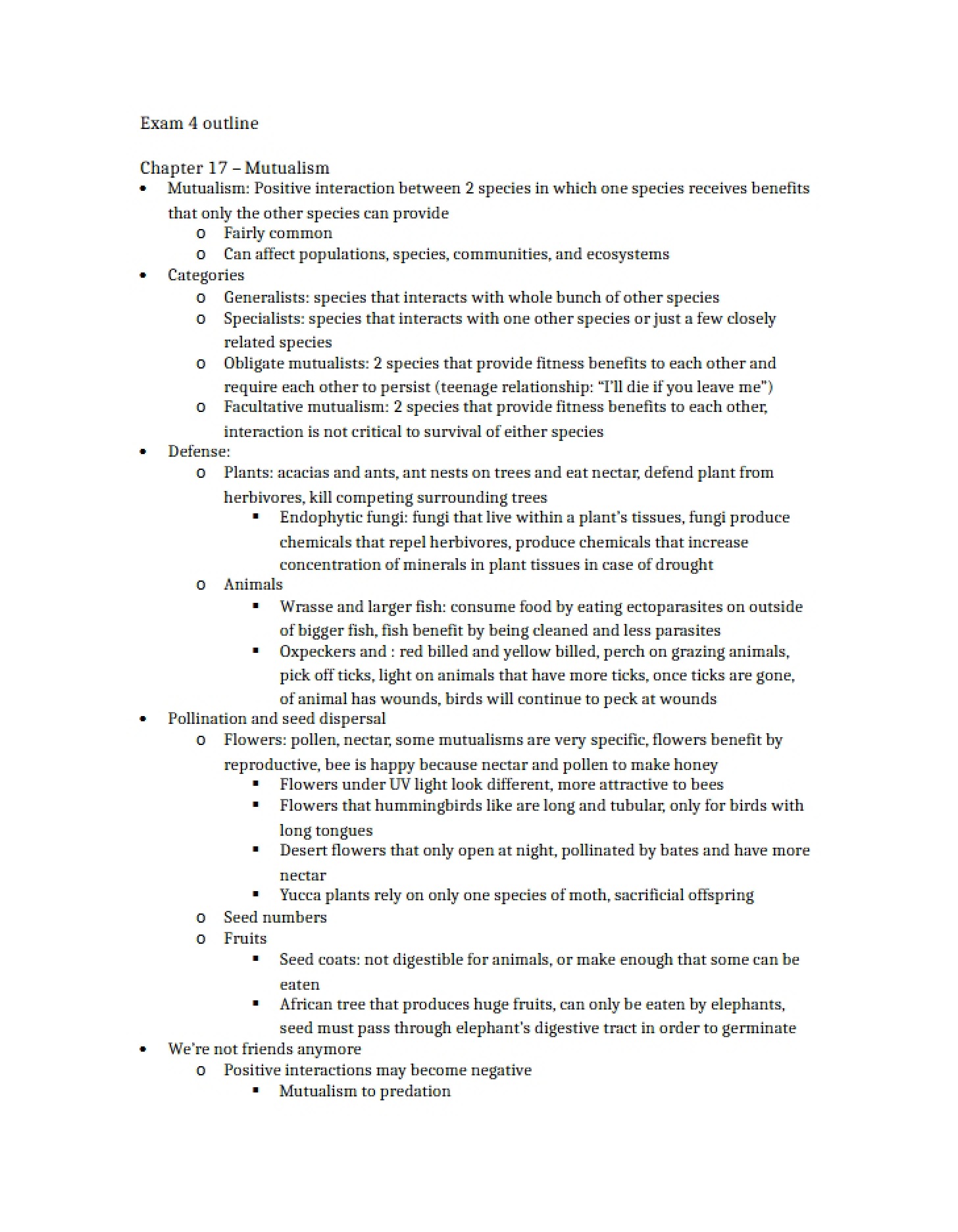
What This Document Is
This document is a detailed exploration of inter- and intraspecific competition within ecological systems, forming part of a larger course on Ecology and Evolution Laboratory. It delves into the fundamental principles governing how organisms vie for limited resources, impacting population dynamics and species coexistence. The material builds upon core ecological concepts and prepares students to analyze real-world scenarios involving competitive interactions. It’s designed to be a focused study of a key evolutionary driver.
Why This Document Matters
This resource is ideal for undergraduate biology students enrolled in ecology, evolution, or population biology courses. It’s particularly beneficial when you’re grappling with understanding how species interactions shape communities and drive natural selection. Students preparing for laboratory exercises involving population modeling or field observations of competing species will find this a valuable reference. It’s best used *after* establishing a foundational understanding of population growth and carrying capacity.
Common Limitations or Challenges
This material focuses specifically on the theory and modeling of competition. It does not provide comprehensive coverage of all types of species interactions (like mutualism or predation), nor does it offer detailed case studies of specific ecosystems. While it introduces mathematical models, it doesn’t provide extensive training in statistical analysis or experimental design. It assumes a basic understanding of population ecology terminology.
What This Document Provides
* A clear distinction between different types of competitive interactions.
* An explanation of how resource availability influences population growth.
* Discussion of foundational principles relating to resource limitations.
* Introduction to mathematical models used to predict competitive outcomes.
* Exploration of factors beyond direct competition that can influence species coexistence.
* Examination of how competition can drive evolutionary change.