What This Document Is
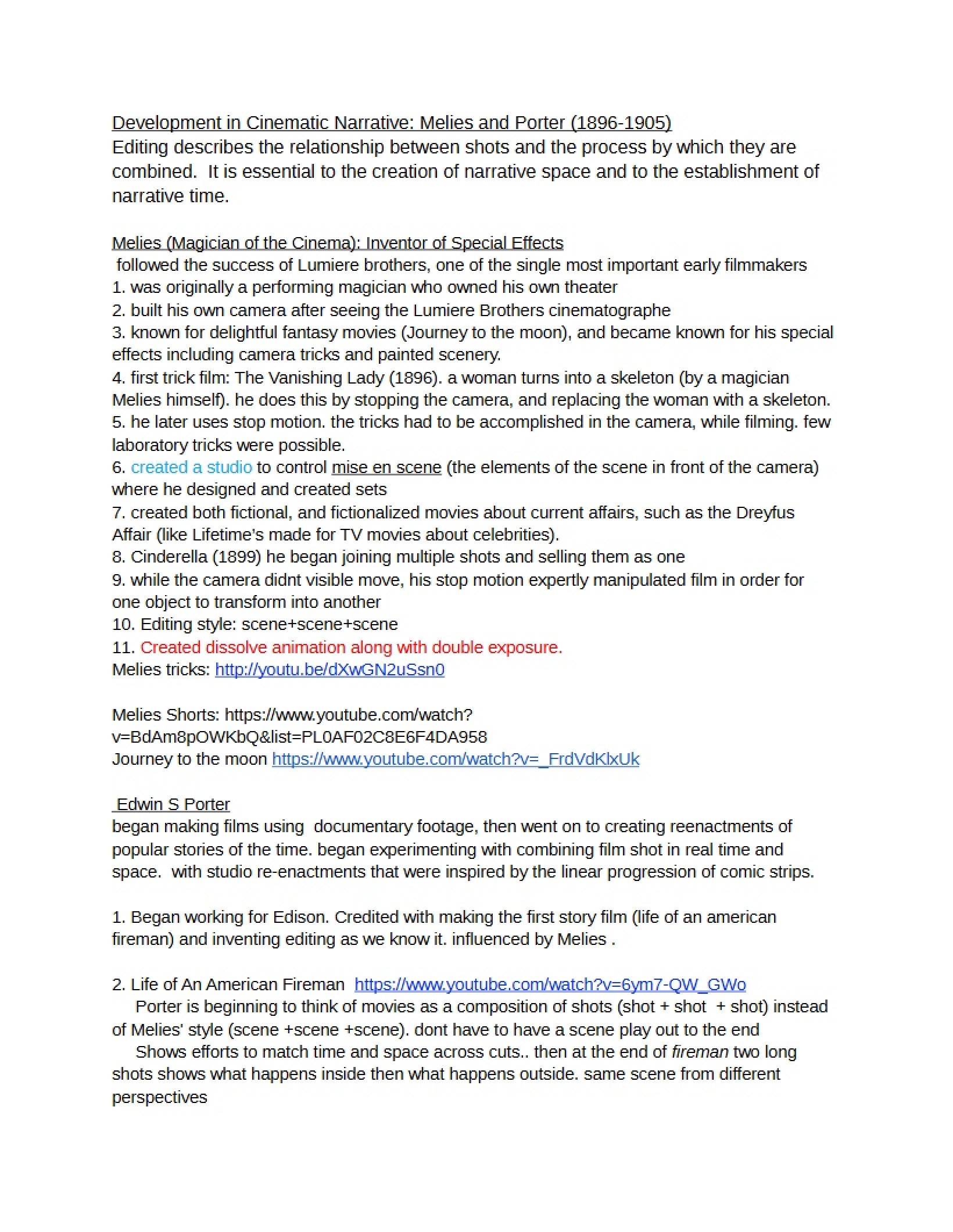
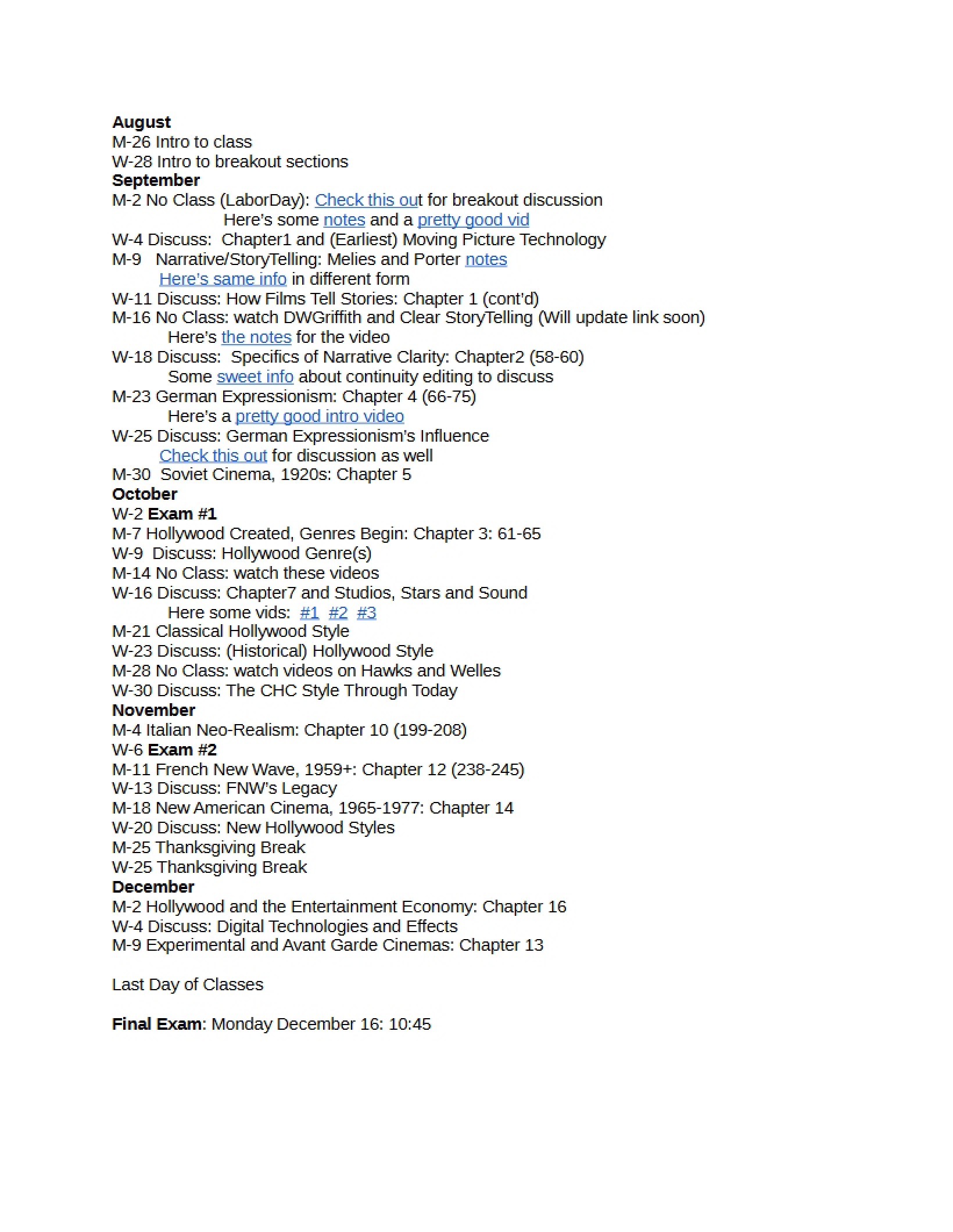
These are comprehensive lecture notes covering the history of motion pictures, as taught in FILM 2700 at Georgia State University. The notes trace the evolution of cinema from its earliest innovations through the emergence of distinct national styles and movements. It’s a chronological record of key figures, technological advancements, and aesthetic developments in film history.
Why This Document Matters
This resource is essential for students enrolled in film history courses, particularly FILM 2700. It serves as a consolidated study aid, offering a detailed overview of lecture material. It’s most valuable during exam preparation, when reviewing course concepts, or when needing a quick reference for important filmmakers and movements. Understanding these foundational elements is crucial for anyone pursuing further study or a career in filmmaking or film analysis.
Common Limitations or Challenges
These notes are a *record* of lectures, not a substitute for attending class or engaging with assigned readings. They provide context and key details, but won’t deliver the full nuance of class discussions or film screenings. The notes also don’t include visual examples or in-depth analyses of specific films – those are best experienced directly.
What This Document Provides
The complete set of notes includes information on: early cinema pioneers like the Lumière brothers and Thomas Edison; the development of film technology (Kinetoscope, celluloid film); the contributions of Georges Méliès and Edwin S. Porter; the rise of major studios and the historical epic genre exemplified by D.W. Griffith’s *The Birth of a Nation*; the impact of World War I on cinema, particularly the emergence of German Expressionism (*The Cabinet of Dr. Caligari*); key cinematic techniques like mise-en-scène, chiaroscuro, and lighting; the avant-garde movement; the work of Oscar Micheaux; and the early Soviet film era.
This preview does *not* include detailed film analyses, visual examples, or complete transcripts of lectures. It provides a high-level overview of the topics covered.