What This Document Is
This study guide delves into the fascinating world of complex traits and quantitative genetics, a core component of the Genetics and Evolution (IB 201) course at the University of Illinois at Urbana-Champaign. It’s designed to provide a comprehensive overview of how characteristics that aren’t simply inherited – like height, weight, or susceptibility to certain diseases – are determined by a combination of genetic and environmental factors. This resource builds upon foundational genetics knowledge to explore more nuanced inheritance patterns.
Why This Document Matters
This guide is invaluable for students seeking a deeper understanding of the genetic basis of real-world variation. It’s particularly helpful when tackling assignments, preparing for exams, or simply wanting to solidify your grasp of concepts discussed in lectures. Students who struggle with applying Mendelian genetics to more complex scenarios will find this resource particularly beneficial. It’s best used *alongside* your course materials to enhance comprehension and retention.
Topics Covered
* The distinction between discrete and continuous variation.
* Polygenic inheritance and its impact on phenotypic expression.
* The roles of additive and dominance gene action in shaping traits.
* Understanding different types of genetic variance – phenotypic, genetic, additive, and dominance.
* The concept of heritability and its implications for evolutionary processes.
* Analyzing variance within populations and its relationship to genetic and environmental influences.
* Exploring the mathematical foundations of quantitative trait analysis.
What This Document Provides
* Clear explanations of key terminology related to complex traits.
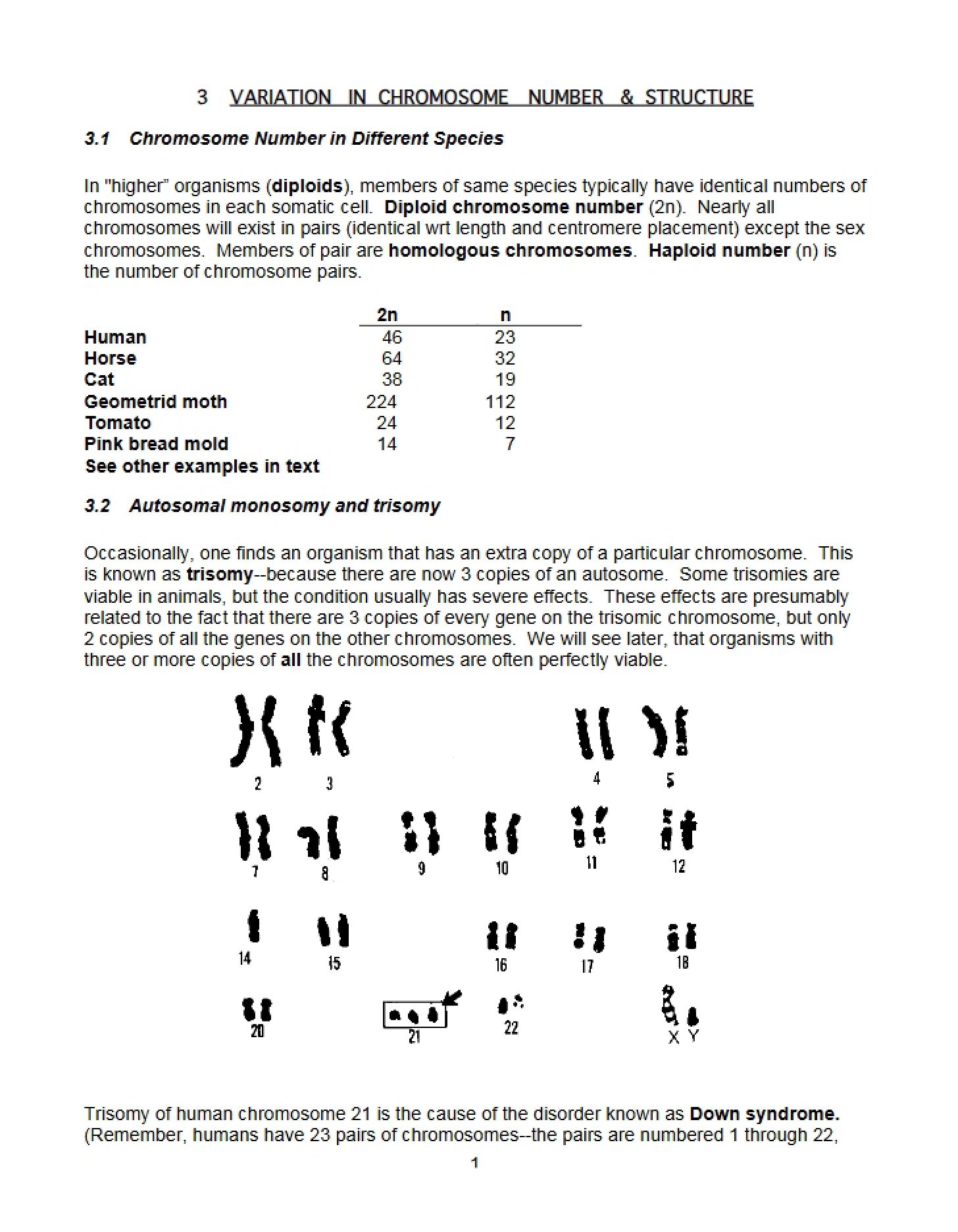
* Visual representations to aid in understanding distribution patterns of quantitative traits.
* A framework for dissecting the contributions of genetics and environment to observable characteristics.
* An exploration of how variance is partitioned within a population.
* Insights into the application of heritability estimates in both natural and artificial selection scenarios.
* A foundation for understanding the genetic architecture of common diseases and traits.