What This Document Is
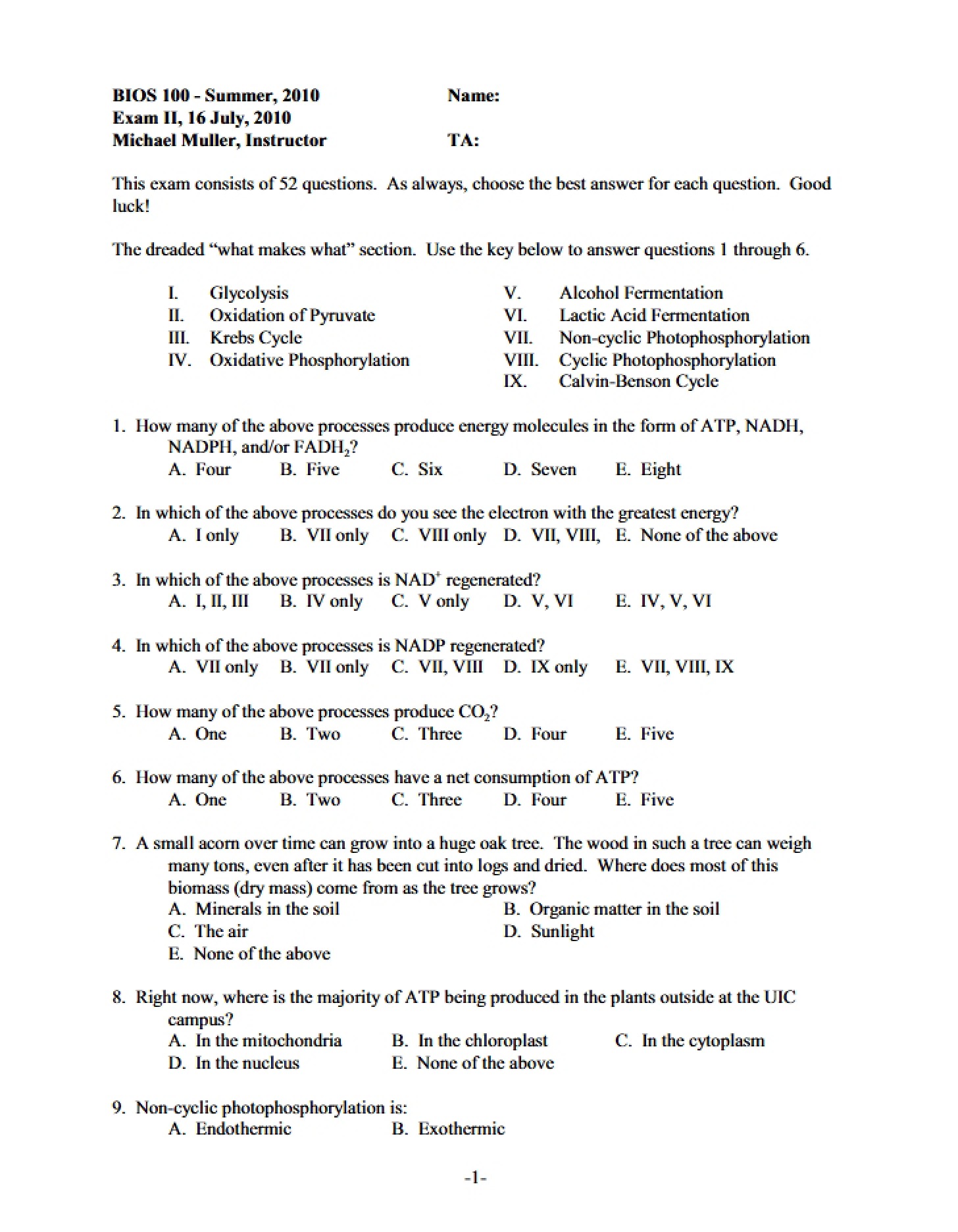
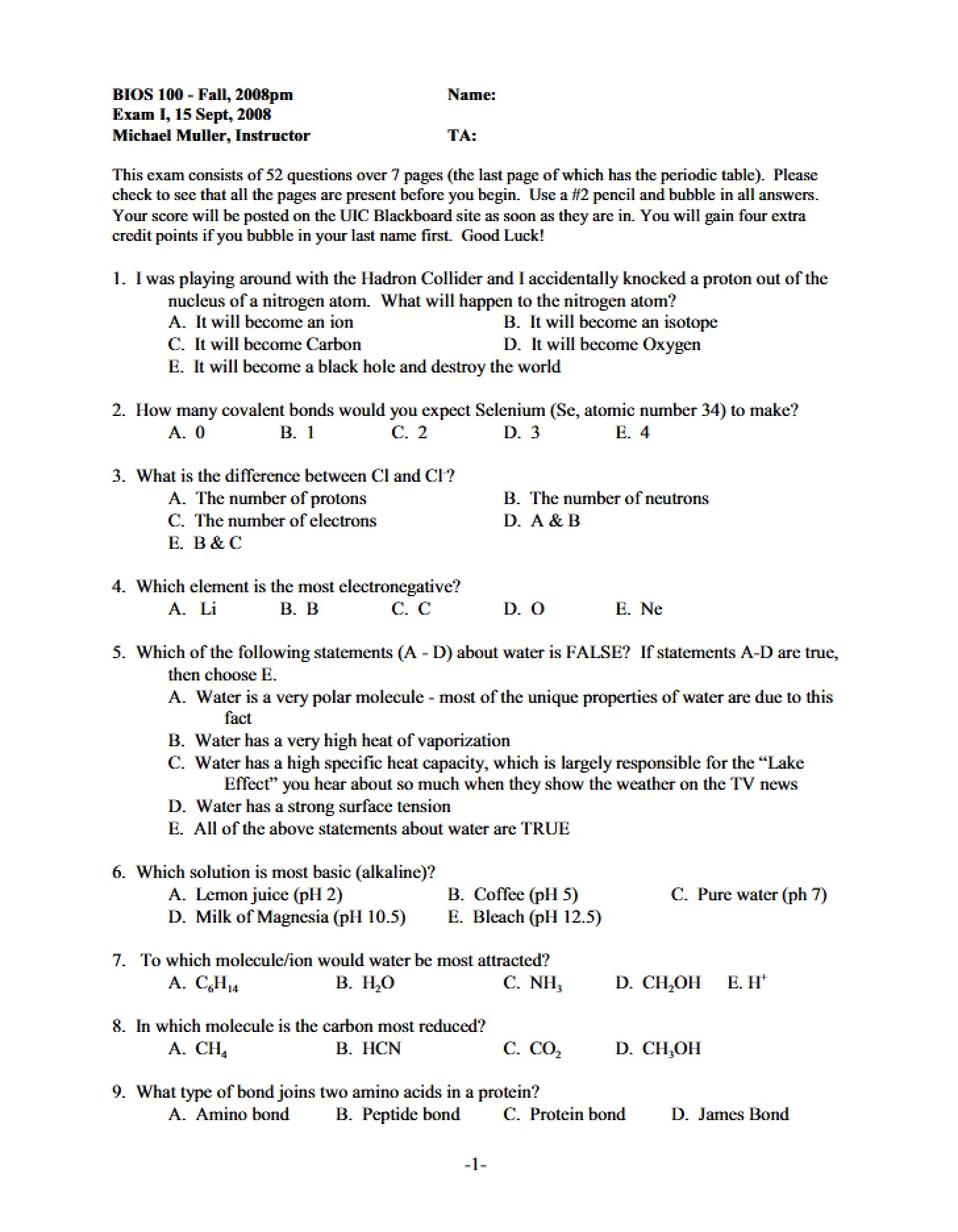
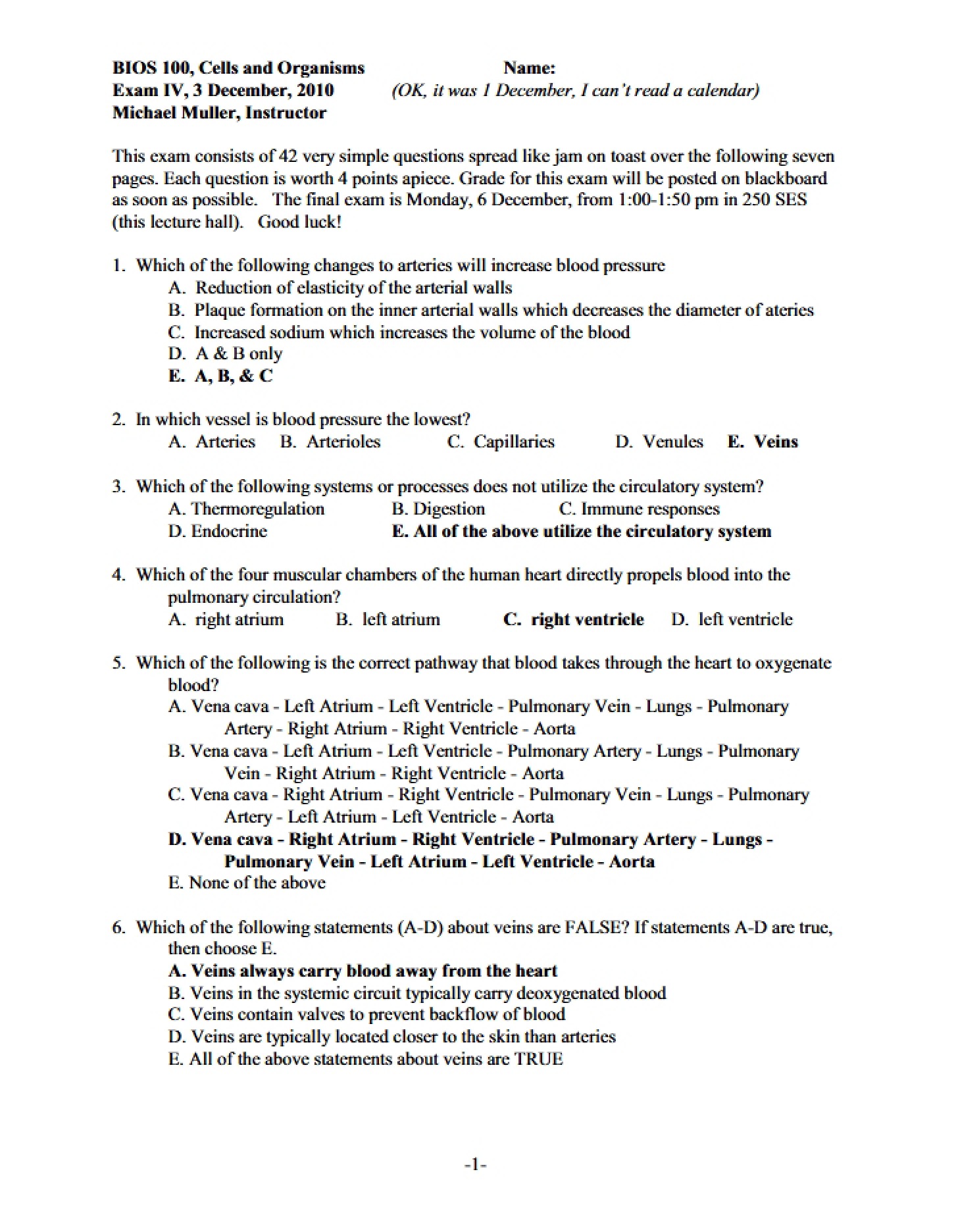
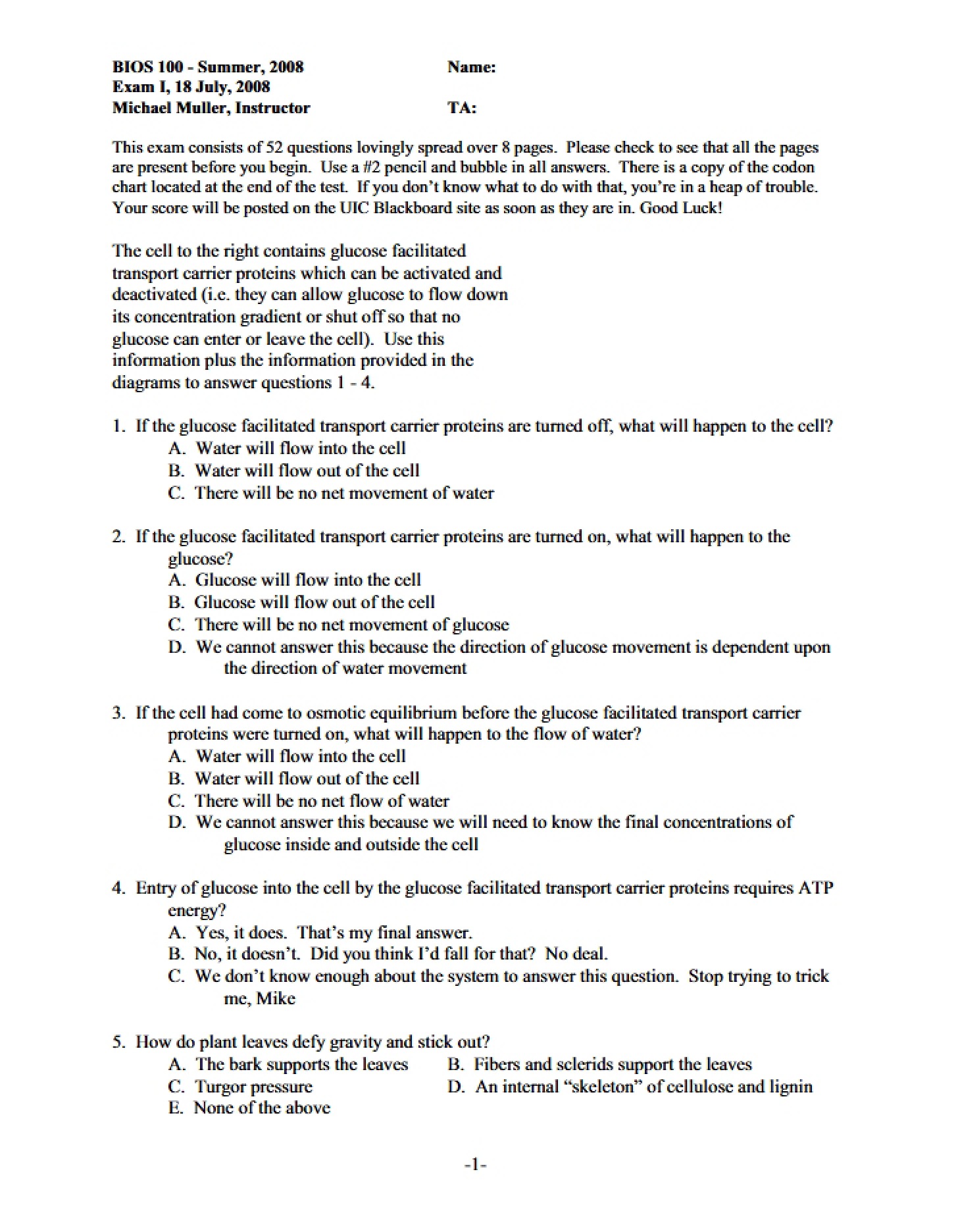
This document is a comprehensive examination for BIOS 100: Biology of Cells and Organisms, offered at the University of Illinois at Chicago. It’s designed to assess student understanding of core concepts covered during a specific period of the course – in this case, the material examined in Exam III from Summer 2004. The format is a multiple-choice assessment, requiring students to apply their knowledge to a variety of biological scenarios and principles.
Why This Document Matters
This examination is an invaluable resource for students currently enrolled in, or preparing for, a similar introductory biology course. It’s particularly helpful for those seeking to gauge their preparedness for high-stakes assessments, identify areas needing further review, and practice applying biological concepts in a testing environment. Students who have completed the course may also find it useful as a refresher on key topics. Accessing the full examination allows for a realistic practice experience and a deeper understanding of the course expectations.
Topics Covered
* Plant Biology: encompassing vascular and non-vascular plants
* Plant Reproduction: focusing on structures and processes related to seed production and fertilization
* Plant Anatomy & Physiology: including root and stem structures, and cellular components
* Monocot vs. Dicot Characteristics: exploring the differences in plant structures and organization
* Vascular Tissue: examining the function and composition of xylem and phloem
* Plant Cell Types: understanding the roles of parenchyma, collenchyma, and schlerenchyma
What This Document Provides
* A full-length examination mirroring the style and scope of an in-course assessment.
* A substantial number of multiple-choice questions designed to test comprehension of key concepts.
* Questions that require application of knowledge, not just recall of facts.
* A focus on plant biology topics, including anatomy, physiology, and reproductive strategies.
* An opportunity to self-assess understanding of complex biological principles.