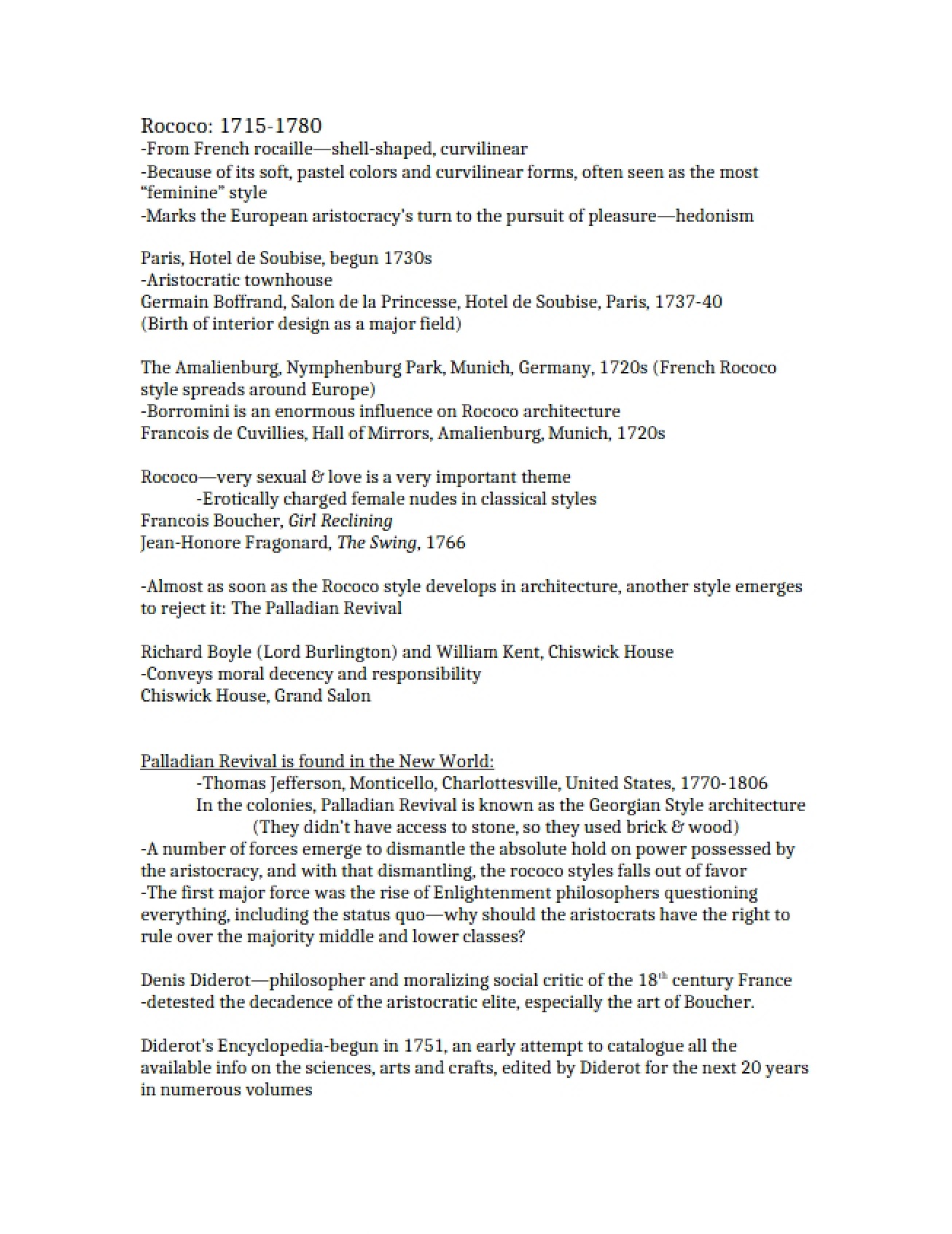
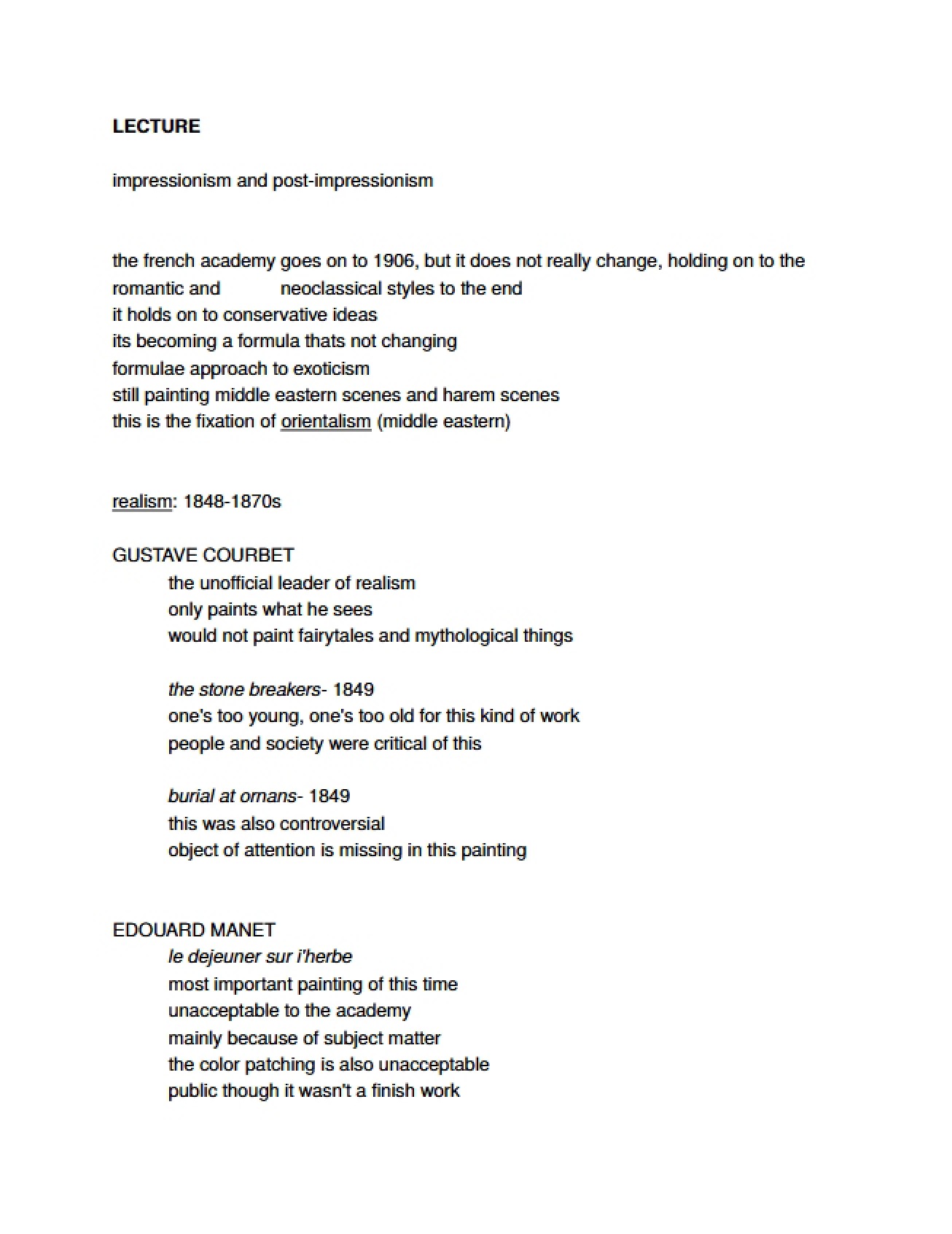
What This Document Is
These are comprehensive lecture notes for Art History II (ARTH 22007) at Kent State University, covering the period from the Renaissance to Modern Art. The notes synthesize key concepts and terminology used in the course, providing a foundational overview of art historical study. It’s a record of lecture material intended to support, not replace, course readings and discussions.
Why This Document Matters
This document is essential for students enrolled in Art History II, offering a consolidated resource for understanding complex ideas and timelines. It’s particularly useful for review before exams, clarifying lecture points, and building a strong grasp of art historical methodology. The notes are valuable for anyone seeking a structured introduction to the major periods, movements, and critical approaches within this field of study.
Common Limitations or Challenges
These notes are a *supplement* to the course, not a substitute for active participation, independent research, or engagement with the artworks themselves. The notes provide an overview, but lack the depth of analysis found in scholarly articles or monographs. They also do not include visual examples of the artworks discussed.
What This Document Provides
The full document includes:
* A discussion of art historical methodology, including the interplay of subjective and objective analysis, the importance of provenance, and the role of stylistic analysis.
* A chronological framework for Italian art from the Proto-Renaissance (1250-1400) through Mannerism (1520+), with key period breakdowns.
* An overview of critical approaches to art history, such as Marxist, Feminist, and Psychoanalytic criticism.
* Examples of how historical context influences artistic production and interpretation.
* Discussion of the challenges of establishing authenticity and intent in art.
* Specific artwork examples, such as Donatello’s *Saint John the Evangelist*, used to illustrate key concepts.
This preview provides a high-level overview of the document’s scope and content. It does *not* include detailed analyses of specific artworks, full explanations of critical theories, or the complete chronological framework.