What This Document Is
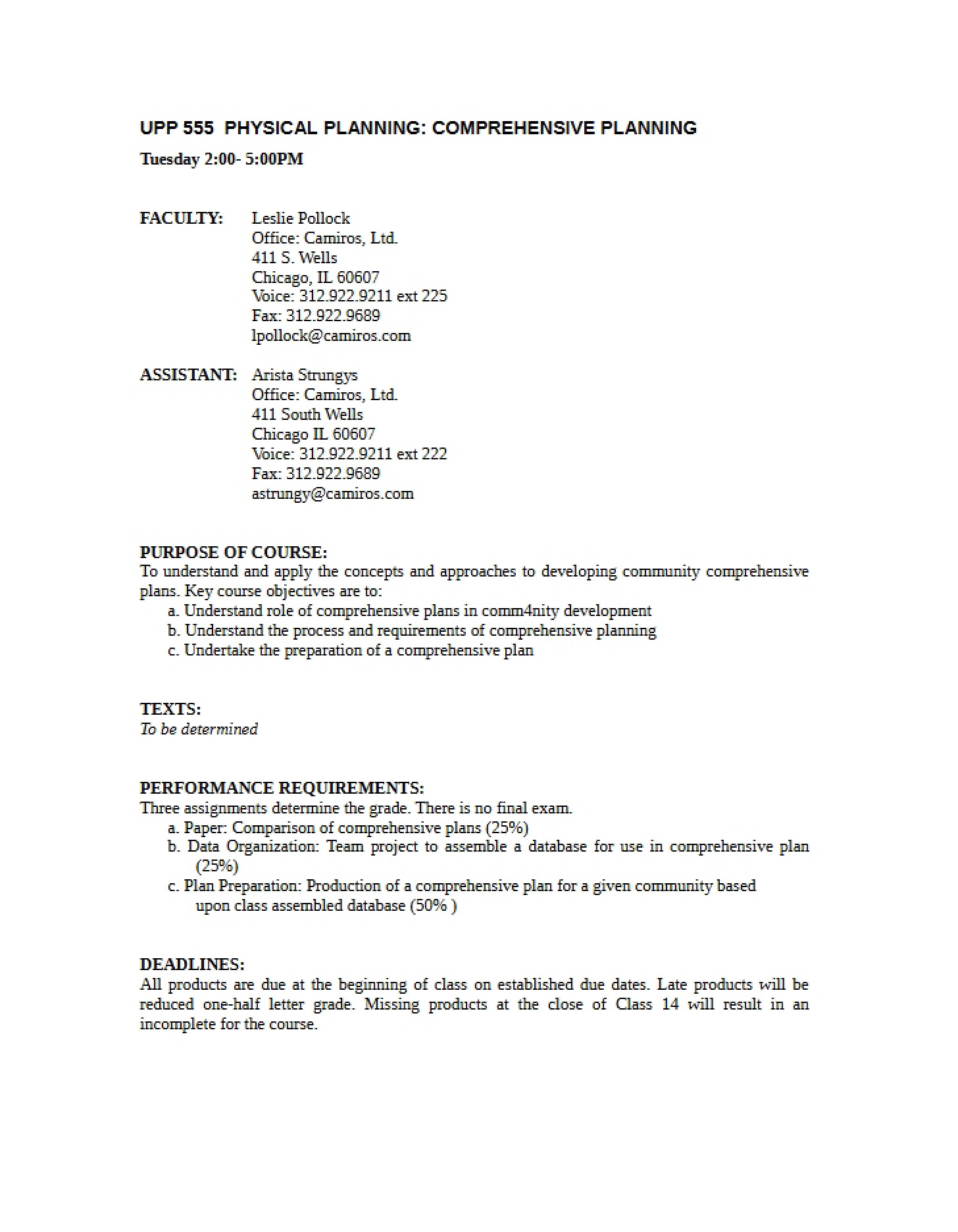
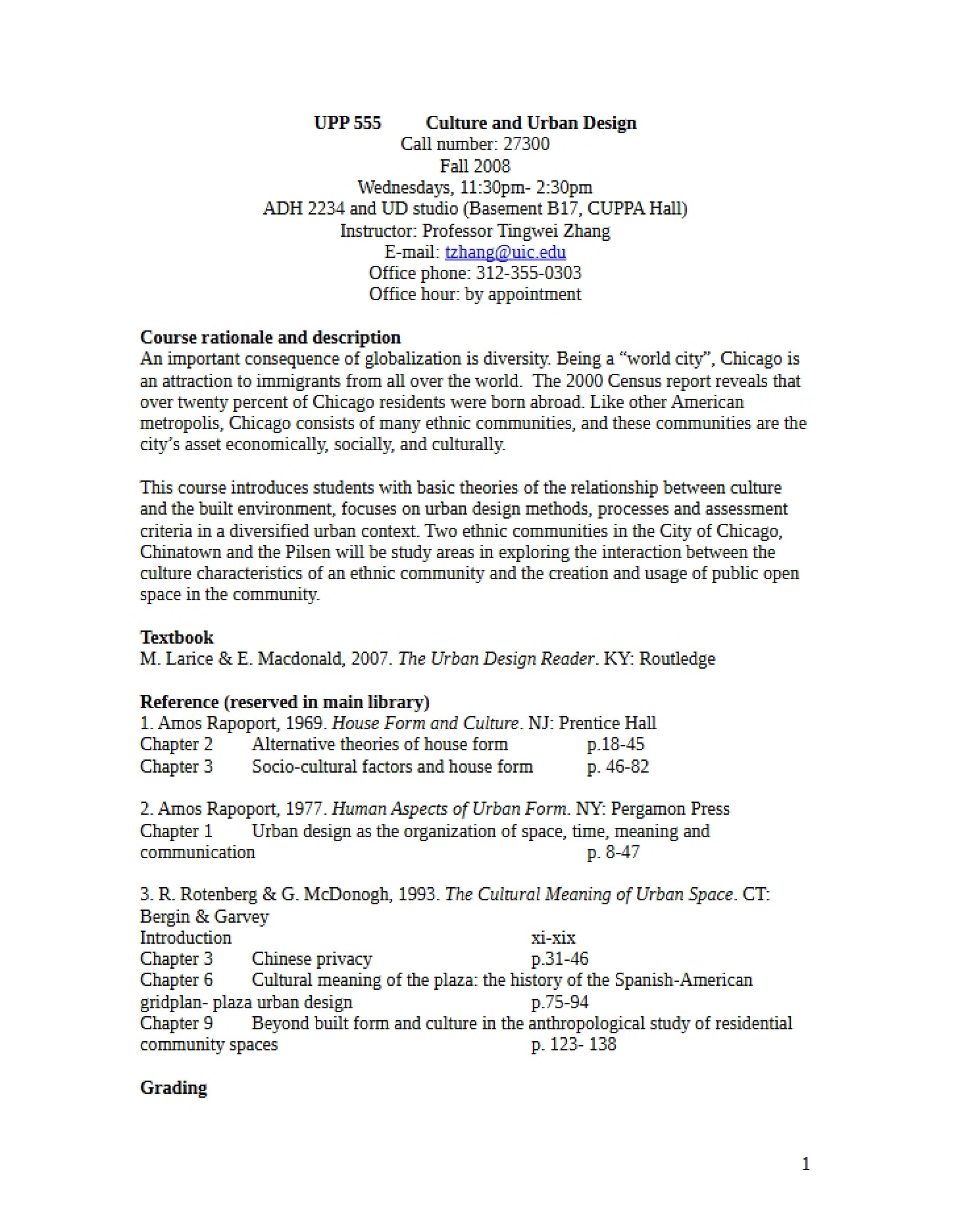
This is a course syllabus and detailed outline for UPP 555: Physical Planning – Special Topics: Comprehensive Planning, offered at the University of Illinois at Chicago in Spring 2005. It serves as a comprehensive guide to the course’s objectives, structure, and expectations for students engaging with the principles and practices of community comprehensive planning. It details the course’s administrative aspects, including faculty contact information and performance requirements.
Why This Document Matters
This resource is essential for students enrolled in, or considering enrolling in, an advanced planning course focused on comprehensive planning. It’s particularly valuable for those seeking a clear understanding of the course workload, assessment methods, and the chronological progression of topics. Prospective students can use this to gauge the course’s suitability for their academic goals, while current students will find it an indispensable reference throughout the semester. Professionals in urban planning or related fields may also find value in the course structure as a refresher or overview of core concepts.
Topics Covered
* The historical evolution and contemporary role of comprehensive plans in community development.
* The comprehensive planning process, from initial inventory to policy implementation.
* Methods for data collection, analysis, and organization in support of plan development.
* Techniques for effective public participation and stakeholder engagement.
* The integration of various planning elements, including land use, transportation, housing, and economic development.
* The relationship between comprehensive plans and other regulatory documents.
* Strategies for keeping plans current and relevant over time.
* The application of urban design principles within a comprehensive planning framework.
What This Document Provides
* A detailed course schedule outlining weekly topics and assignments.
* A breakdown of performance requirements, including the weighting of papers, team projects, and plan preparation.
* Information on required course texts and resources.
* Clear deadlines for all assignments and a policy regarding late submissions.
* Contact information for the course faculty and assistant.
* An overview of the core concepts and approaches to developing community comprehensive plans.