What This Document Is
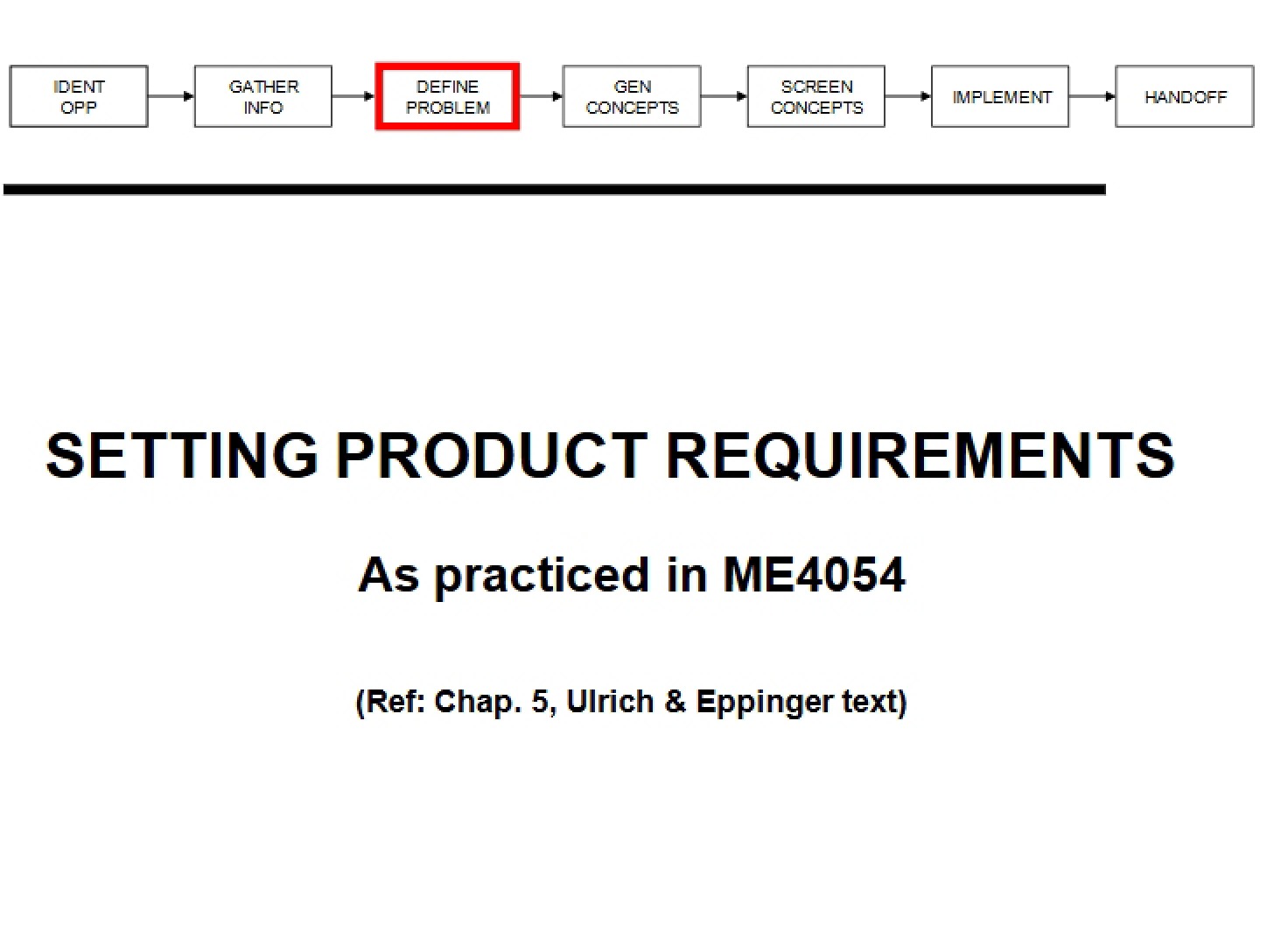
This document provides a focused exploration of the concept generation phase within a design engineering process. It’s geared towards students learning to systematically develop innovative solutions to engineering problems, specifically within the context of a design project course. The material delves into the methodologies and best practices for expanding the range of potential concepts before detailed design work begins. It’s structured to guide users through a defined process, emphasizing the importance of both individual and collaborative ideation.
Why This Document Matters
This resource is invaluable for students actively engaged in design projects, particularly those needing to brainstorm and formulate a diverse set of potential solutions. It’s most beneficial when applied *early* in the design process, before committing to a single approach. Engineering students, aspiring product developers, and anyone involved in creative problem-solving will find the principles discussed here applicable to a wide range of challenges. Understanding these techniques can significantly improve the quality and novelty of design outcomes.
Common Limitations or Challenges
This material focuses on the *process* of concept generation, and does not offer pre-defined solutions to specific engineering problems. It will not provide detailed instructions for using specific software tools, nor does it include completed examples of concept generation for particular projects. It assumes a foundational understanding of engineering principles and the product design specification process. It also doesn’t cover concept *selection* – only the creation of a broad range of ideas.
What This Document Provides
* An overview of the role of concept generation within the broader design process.
* Discussion of the importance of both internal and external sources of inspiration.
* Guidance on how to effectively decompose complex problems into manageable functional elements.
* Strategies for facilitating productive brainstorming sessions.
* Best practices for documenting and organizing generated ideas.
* Insights into common pitfalls to avoid during the concept generation phase.
* Considerations for determining an appropriate quantity of concepts to pursue.