What This Document Is
This resource offers a focused exploration of a rapidly evolving field within computer science – the attempt to replicate aspects of intelligence in machines. It delves into the fundamental questions surrounding what constitutes intelligence itself, and the challenges inherent in translating that concept into functional systems. This isn’t a coding tutorial, but rather a conceptual overview designed to build a strong foundation for further study.
Why This Document Matters
Students enrolled in introductory computer science courses, particularly those with a focus on theoretical foundations, will find this material exceptionally valuable. It’s ideal for those seeking to understand the core principles before diving into specific implementations or applications. Individuals preparing for discussions or projects related to advanced computing concepts will also benefit from the insights presented. This is a great starting point for anyone curious about the possibilities and limitations of creating intelligent systems.
Topics Covered
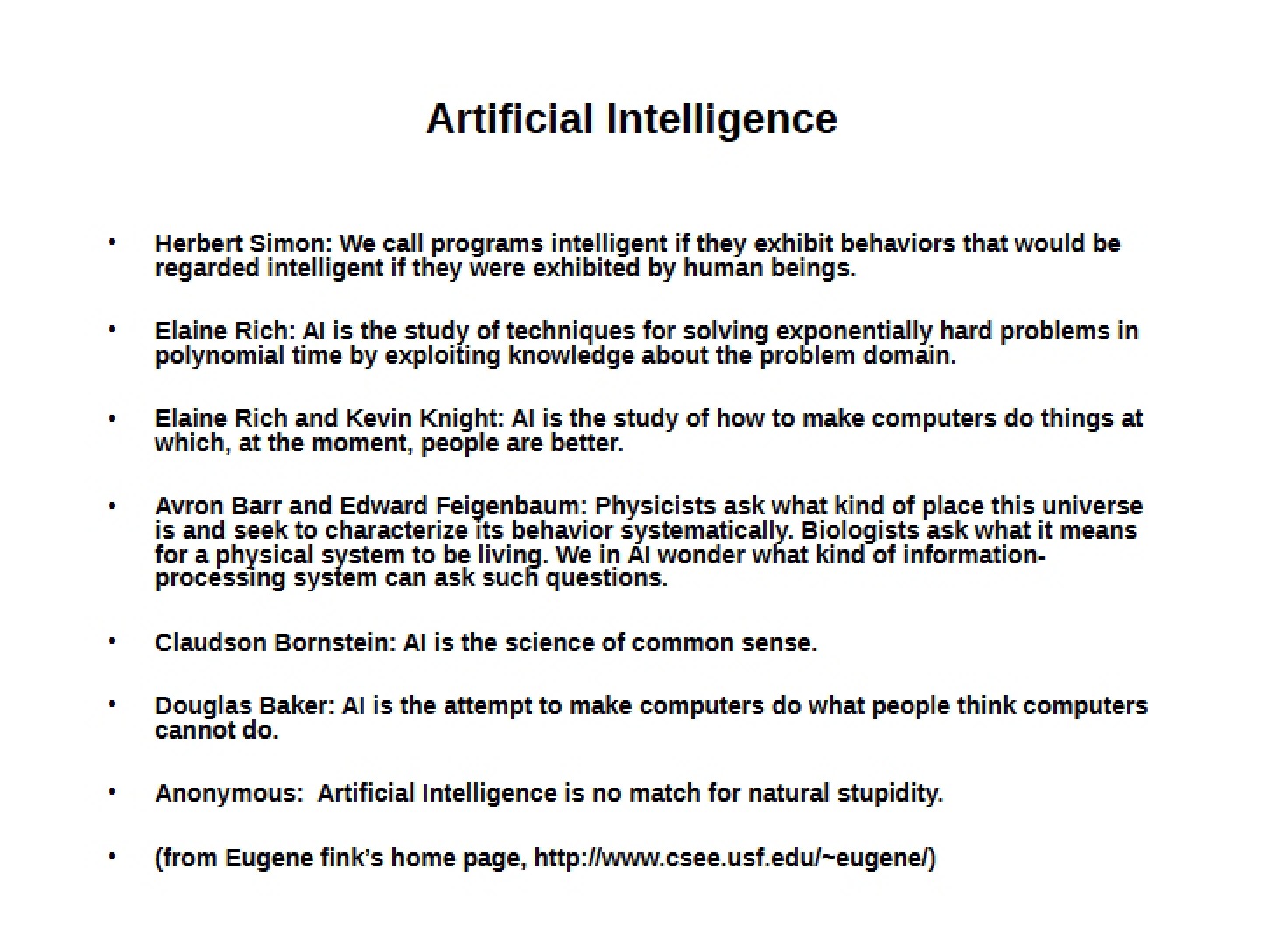
* Foundational definitions and historical perspectives on intelligence.
* Different approaches to modeling intelligence – cognitive versus behavioral.
* Key obstacles in developing intelligent systems, including knowledge representation and ambiguity.
* The importance of adaptation, sensing, and perception in intelligent behavior.
* Considerations surrounding emotional intelligence, social dynamics, and ethical implications.
* An overview of various proposed system architectures for achieving intelligent behavior.
What This Document Provides
* A structured examination of the core challenges in the field.
* An introduction to different methodologies for representing and utilizing knowledge.
* A comparative look at various system designs, including rule-based and cognitive models.
* A framework for understanding the complexities of creating systems that can learn and adapt.
* A foundation for further exploration of specialized areas within the broader field.