What This Document Is
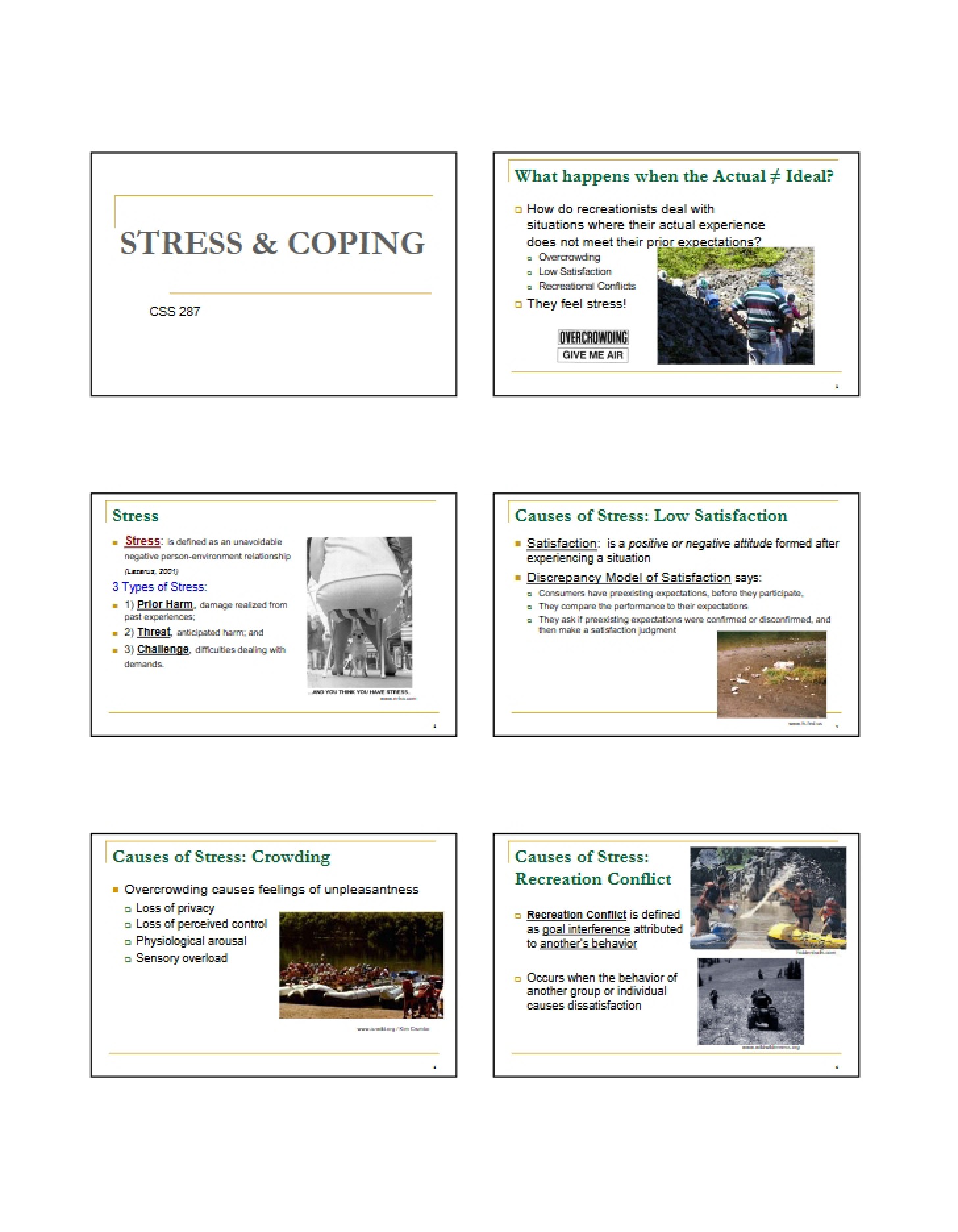
This study guide delves into the complex interplay between human behavior and natural resource settings. Specifically, it examines the factors contributing to crowding, displacement, and conflict within recreational environments. It’s designed to provide a foundational understanding of these issues as they relate to conservation leadership and management, offering insights into how visitor experiences are shaped by social dynamics and environmental conditions. This resource explores the psychological and sociological dimensions of outdoor recreation, moving beyond simple resource management to consider the human element.
Why This Document Matters
This guide is essential for students and emerging professionals in conservation, recreation management, and related fields. It’s particularly valuable when studying human dimensions of natural resources, visitor use management, or conflict resolution. Anyone preparing to manage public lands, design recreational programs, or mediate disputes between user groups will find this a helpful resource. Understanding these concepts is crucial for creating sustainable and enjoyable outdoor experiences for all.
Topics Covered
* The relationship between crowding and visitor satisfaction.
* Theories surrounding recreation displacement and the “Last Settler Syndrome.”
* The components of crowding – privacy, personal space, and territoriality.
* Defining and identifying sources of recreation conflict.
* Factors influencing the likelihood and intensity of recreation conflict.
* The role of individual perceptions and social norms in shaping conflict.
* Reactions to recreation conflict, including potential behavioral responses.
What This Document Provides
* A framework for understanding how individuals perceive and respond to crowding in recreational settings.
* Exploration of the dynamics that lead to visitor displacement and changes in user groups over time.
* A detailed look at the psychological underpinnings of privacy and territoriality.
* An overview of the various factors that contribute to conflict between recreational users.
* Insights into how lifestyle tolerance and situational norms influence interactions between visitors.