What This Document Is
This document serves as an introductory overview for EEL 3657: Linear Control Systems at the University of Central Florida. It’s designed to lay the foundational understanding necessary for students embarking on the study of control systems engineering. The material presents a high-level exploration of the field, its applications, and the core principles that govern the design and analysis of these systems. It’s a starting point for a deeper dive into the mathematical and practical aspects of controlling dynamic systems.
Why This Document Matters
This resource is invaluable for students new to control systems, providing essential context before tackling more complex concepts. It’s particularly helpful for those seeking to understand the ‘big picture’ – why control systems are vital in modern technology and engineering. Students preparing for more advanced coursework, or those needing a refresher on fundamental concepts, will also find this a useful reference. Understanding the material presented here will significantly enhance your ability to grasp subsequent topics in the course.
Topics Covered
* The fundamental reasons for implementing control systems in various applications.
* The basic components and structure of control systems, including open-loop and closed-loop configurations.
* The importance of feedback in modifying system behavior and achieving desired performance.
* Key performance characteristics of control systems, such as transient and steady-state response.
* An overview of the control system design cycle and the process of translating real-world requirements into mathematical models.
* The scope of the course, outlining the specific analytical techniques that will be explored.
What This Document Provides
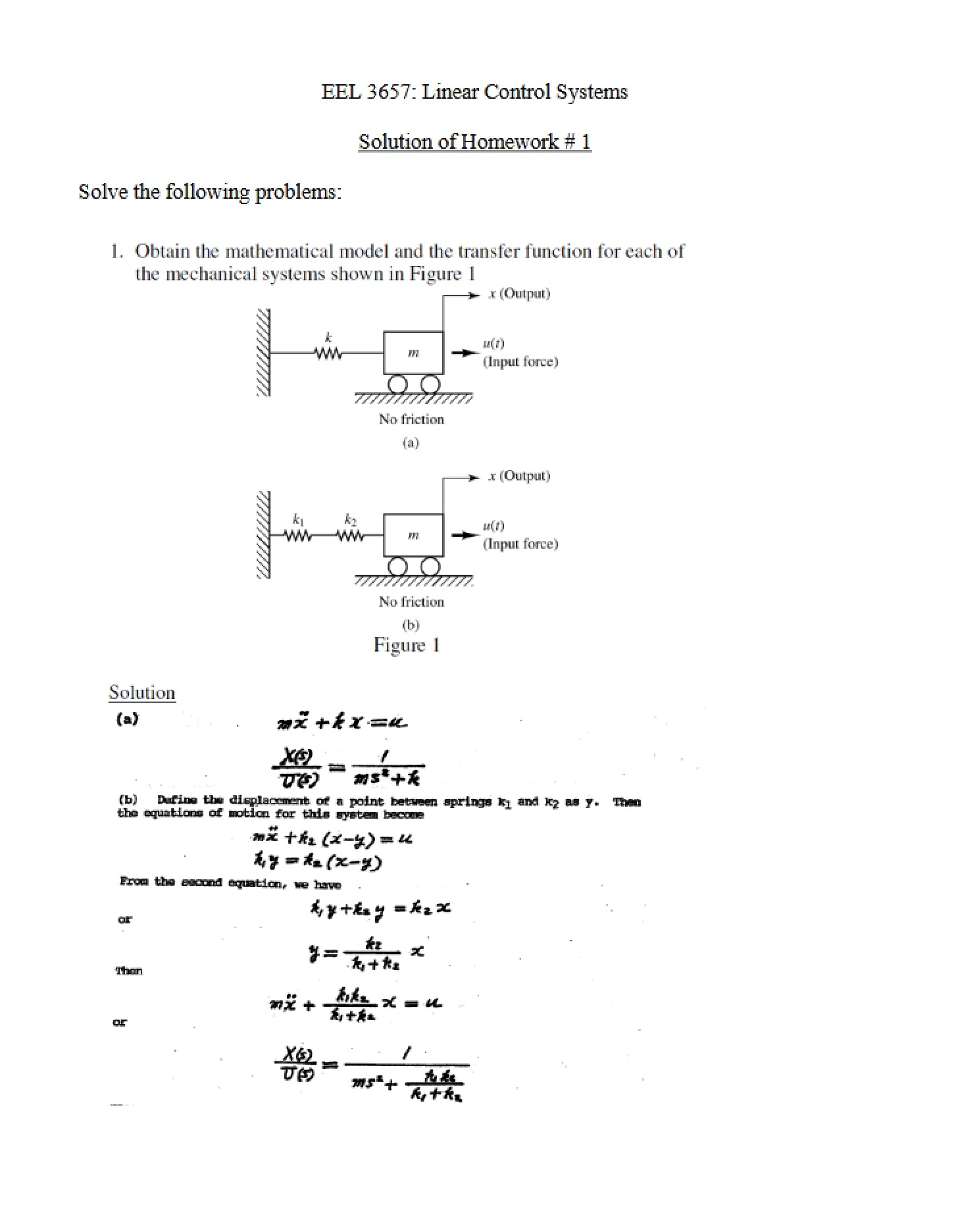
* An exploration of real-world examples illustrating the pervasive use of control systems in robotics, automation, and other fields.
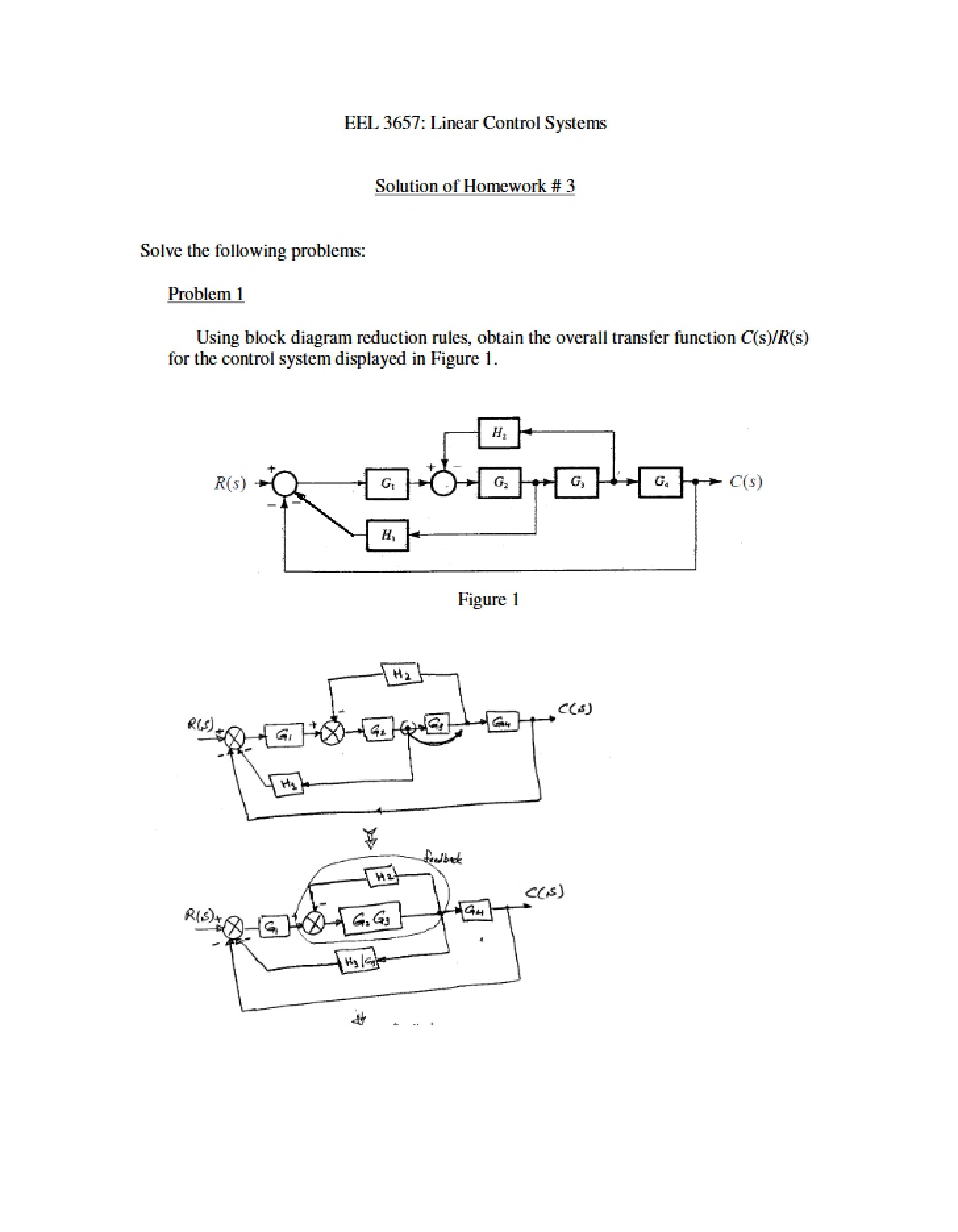
* Visual representations, such as block diagrams, to illustrate the flow of signals within a control system.
* A discussion of the goals of a control systems engineer, focusing on achieving stability, accuracy, and responsiveness.
* A roadmap of the mathematical tools and techniques that will be used throughout the course, including transfer functions, stability analysis, and frequency response methods.
* A clear outline of the expected learning outcomes upon completion of the course.