What This Document Is
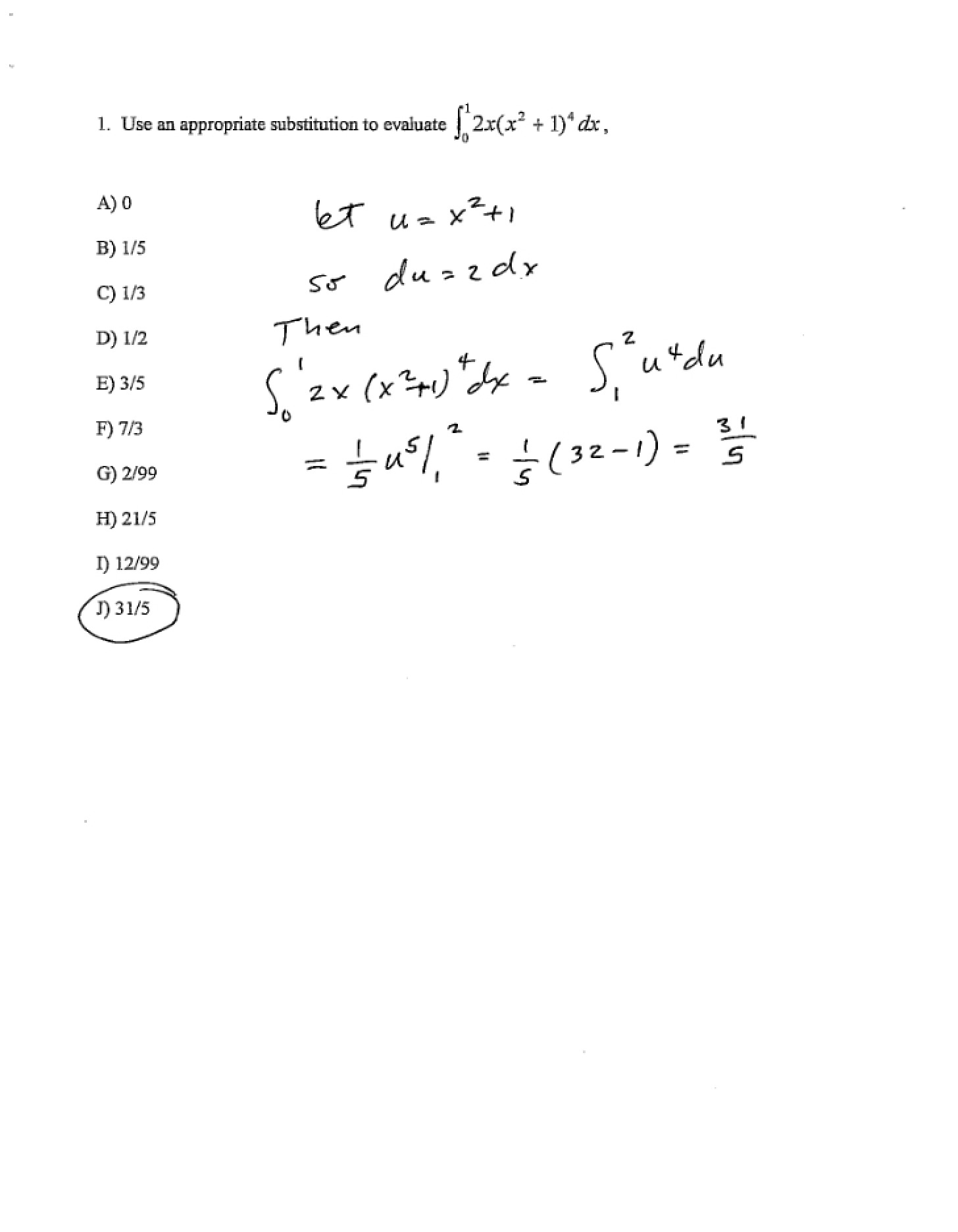
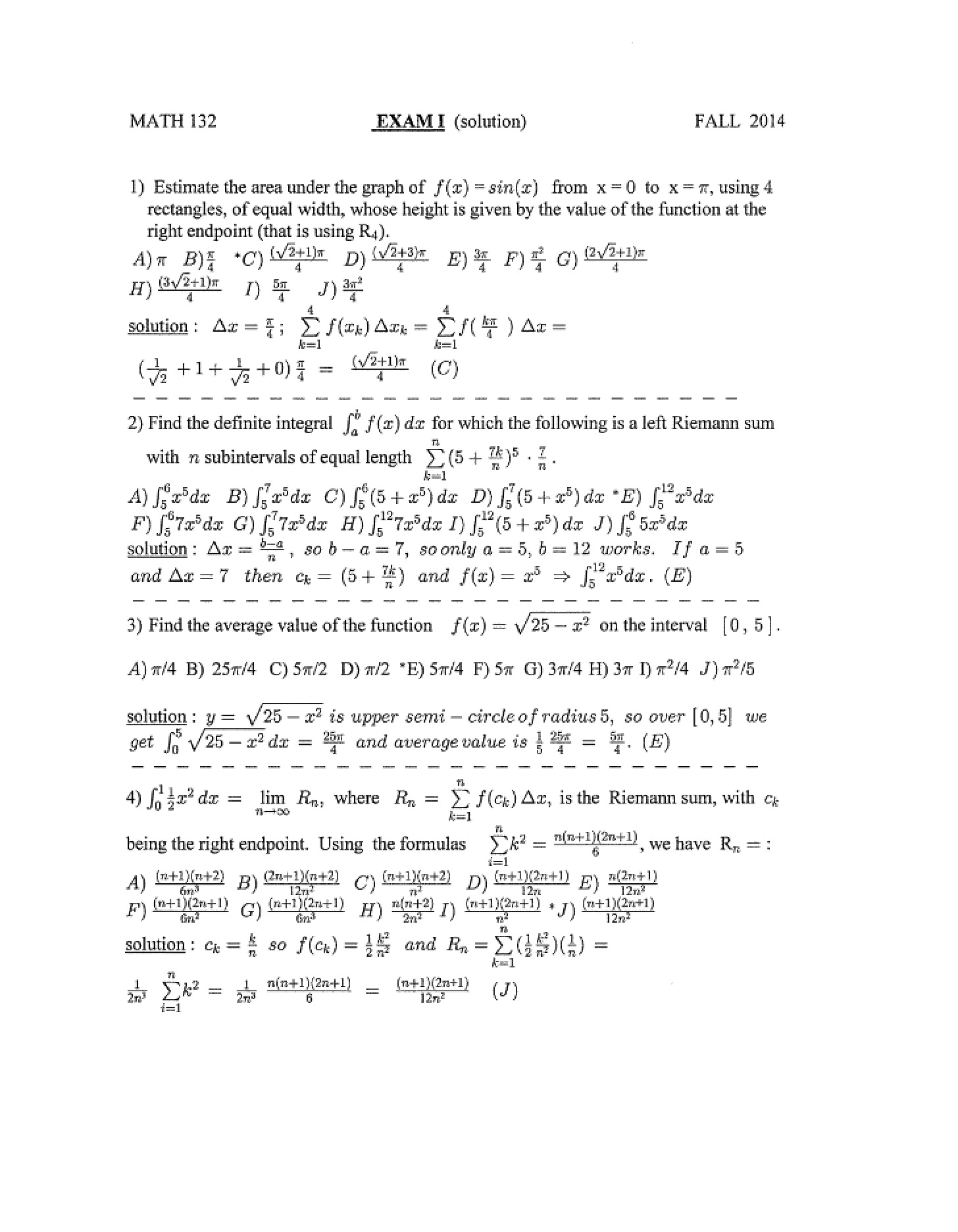
This is a past exam from a Calculus II (MATH 132) course at Washington University in St. Louis, specifically the Spring 2009 Exam 2. It’s a comprehensive assessment designed to evaluate a student’s understanding of key concepts covered in the second portion of the Calculus II curriculum. The exam format includes both multiple-choice and free-response questions, mirroring the structure of typical university-level calculus exams.
Why This Document Matters
This resource is invaluable for students currently enrolled in Calculus II, or those preparing to take the course. It’s particularly useful for self-assessment, identifying areas of strength and weakness, and familiarizing yourself with the types of questions and problem-solving approaches commonly used by instructors at Washington University in St. Louis. Working through practice exams under timed conditions is a proven method for reducing test anxiety and improving performance. It’s also helpful for understanding the relative weight given to different topics within the course.
Common Limitations or Challenges
While this exam provides a realistic practice experience, it’s important to remember that it represents a specific instance of the course content from a particular semester. The exact topics emphasized and the specific questions asked may vary in future iterations of the course. This exam does not include detailed explanations or worked-out solutions; it’s designed to test your existing knowledge, not to teach you new material. Access to the full document is required to view the complete questions and assess your understanding.
What This Document Provides
* A collection of multiple-choice questions covering core Calculus II topics.
* Free-response questions requiring detailed, written solutions.
* Problems related to techniques of integration, including partial fractions.
* Questions assessing understanding of convergence and divergence of improper integrals.
* Applications of integration, such as volume calculations using methods like the shell method and the Trapezoidal and Simpson’s rules for numerical integration.
* Problems testing knowledge of arc length calculations.
* An authentic assessment experience from a rigorous university calculus course.