What This Document Is
This document is a past exam for CEM 251, Organic Chemistry, at the University of California, Los Angeles. Specifically, it represents a second midterm examination administered in Fall 2013. It’s designed to assess student understanding of core organic chemistry principles covered within the course at that point in the semester. The assessment focuses on applying fundamental concepts to predict outcomes and analyze molecular structures.
Why This Document Matters
This resource is invaluable for students currently enrolled in CEM 251, or those preparing to take a similar organic chemistry course. It’s particularly useful for self-assessment and practice. Working through problems similar to those presented here can help identify areas where further study is needed and build confidence before high-stakes exams. It’s best utilized *after* initial learning of the concepts, as a way to test and solidify understanding – not as a primary learning tool. Accessing the full exam allows for a realistic practice experience.
Topics Covered
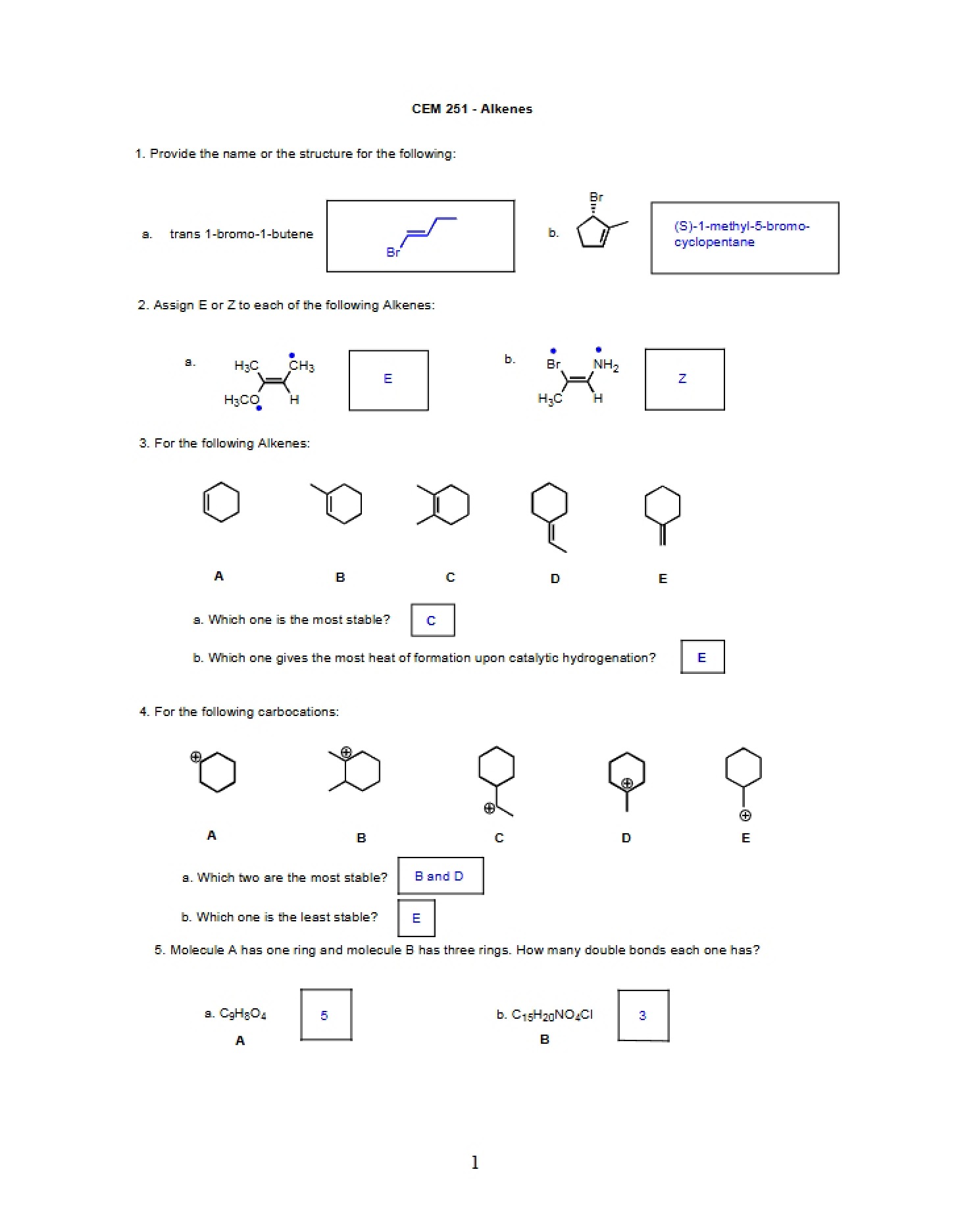
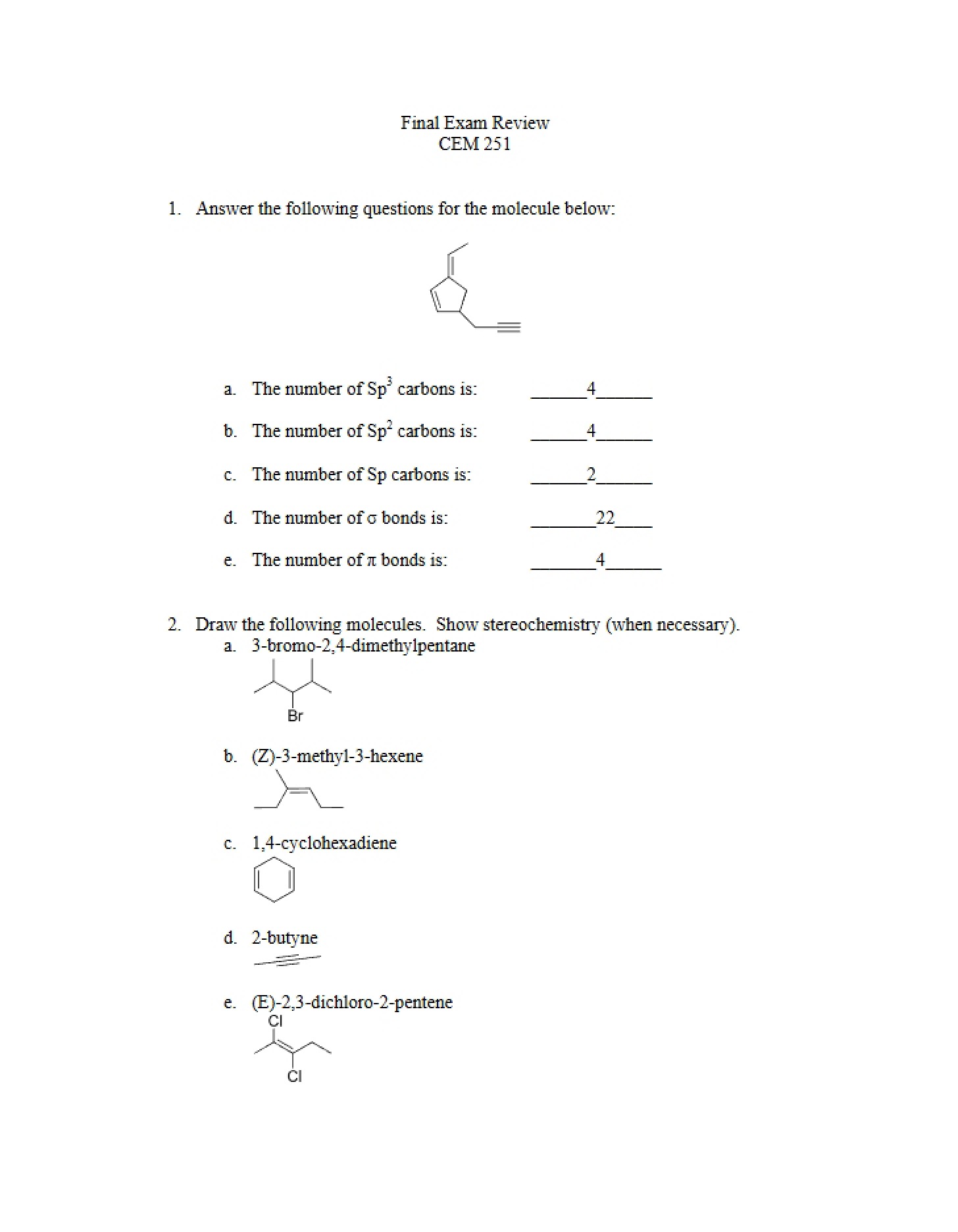
* Alkenes and Alkynes: Structure, nomenclature, and reactivity.
* Isomerism: Understanding and identifying different types of isomers (E/Z).
* Stability of Carbocations: Factors influencing carbocation stability.
* Reaction Mechanisms: Predicting products and understanding reaction pathways.
* Degree of Unsaturation: Calculating unsaturation indices from molecular formulas.
* Addition Reactions: Predicting outcomes of catalytic hydrogenation.
* Stereochemistry: Representing and interpreting stereochemical information.
What This Document Provides
* A complete, previously administered exam paper.
* A variety of problem types commonly found in organic chemistry exams.
* Questions requiring structural drawing and mechanistic reasoning.
* Problems focused on applying core concepts to predict reaction outcomes.
* An opportunity to practice under exam-like conditions.