What This Document Is
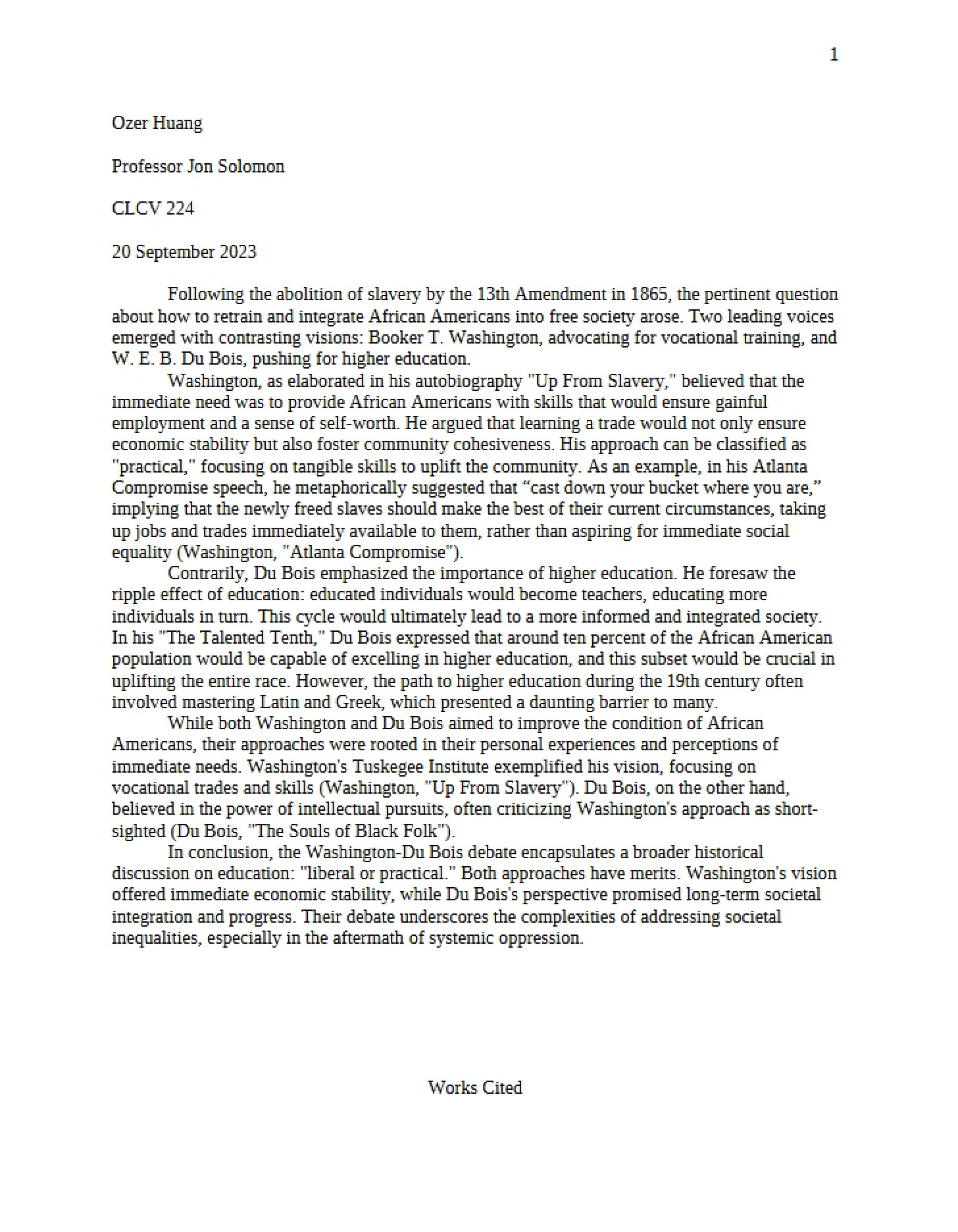
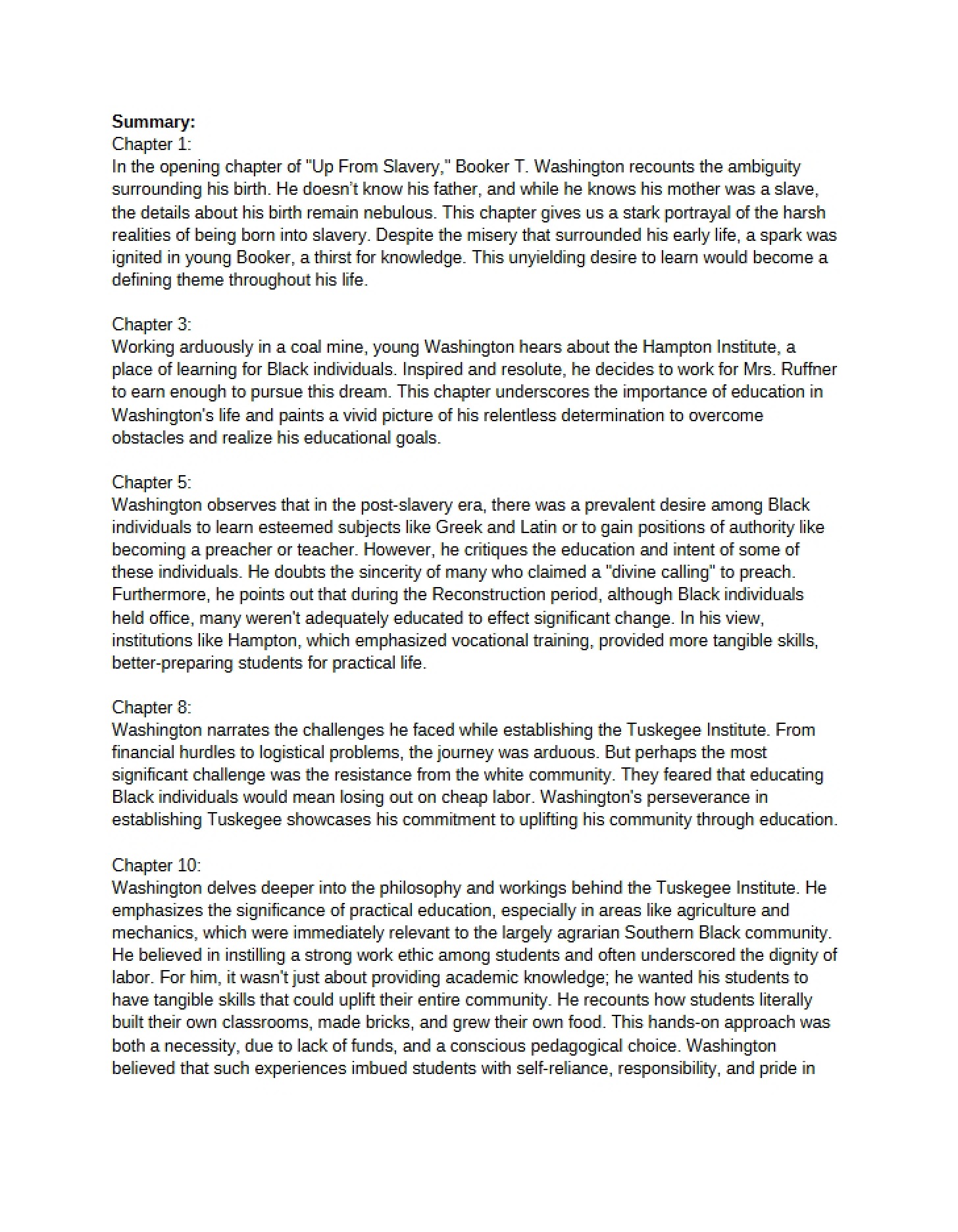
This study guide delves into the fascinating intersection of classical history and the American struggle for racial equality. Specifically, it explores how figures and narratives from the ancient world – particularly those within the classical tradition – were strategically employed within 19th-century abolitionist discourse. It focuses on detailed examinations of key individuals and their connections to broader themes of freedom, oppression, and resistance. The material is drawn from CLCV 224, American Race and Ethnicity in the Classical Tradition at the University of Illinois at Urbana-Champaign.
Why This Document Matters
This resource is ideal for students enrolled in courses examining American history, African American studies, classical civilization, or related fields. It’s particularly beneficial when preparing for in-depth discussions, essays, or projects that require a nuanced understanding of historical rhetoric and the construction of identity. It will be most helpful when you need to analyze how past narratives were repurposed to address contemporary social and political issues. Accessing the full material will provide a significant advantage in grasping the complexities of this topic.
Topics Covered
* Key figures in the 19th-century abolitionist movement
* The use of classical history as a tool for social commentary
* Analysis of specific historical figures from antiquity and their relevance to abolitionist arguments
* The construction of racial identity through historical narratives
* Connections between ancient military leadership and concepts of freedom/resistance
* Examination of primary source material and its interpretation
What This Document Provides
* Detailed profiles of prominent abolitionists and their contributions
* Exploration of the historical context surrounding the abolitionist movement
* Insight into the rhetorical strategies employed by abolitionist writers and speakers
* Analysis of how classical figures were presented as models for African Americans
* Frameworks for understanding the relationship between historical memory and social change
* Connections between seemingly disparate historical periods and movements.