What This Document Is
This study guide provides a comprehensive overview of core principles within the field of interpersonal communication, as taught in Comm 10 at UCLA. It delves into the complexities of human interaction, exploring the dynamic forces that shape our relationships and influence our perceptions. This resource is designed to support your understanding of foundational theories and concepts crucial to navigating personal and professional communication scenarios.
Why This Document Matters
This guide is invaluable for students seeking to solidify their grasp of interpersonal dynamics. It’s particularly helpful when preparing for discussions, tackling assignments, or reviewing course material before assessments. Anyone looking to improve their understanding of how and why we communicate the way we do – and how to improve those interactions – will find this a useful resource. It’s best utilized alongside your regular coursework and lecture notes to enhance learning and retention.
Topics Covered
* The multifaceted nature of interpersonal communication
* Dynamics of conflict in various relational contexts
* Theories surrounding self-disclosure and intimacy development
* Processes involved in reducing uncertainty in initial interactions
* The impact of social factors and technology on communication patterns
* Relational tensions and navigating competing needs
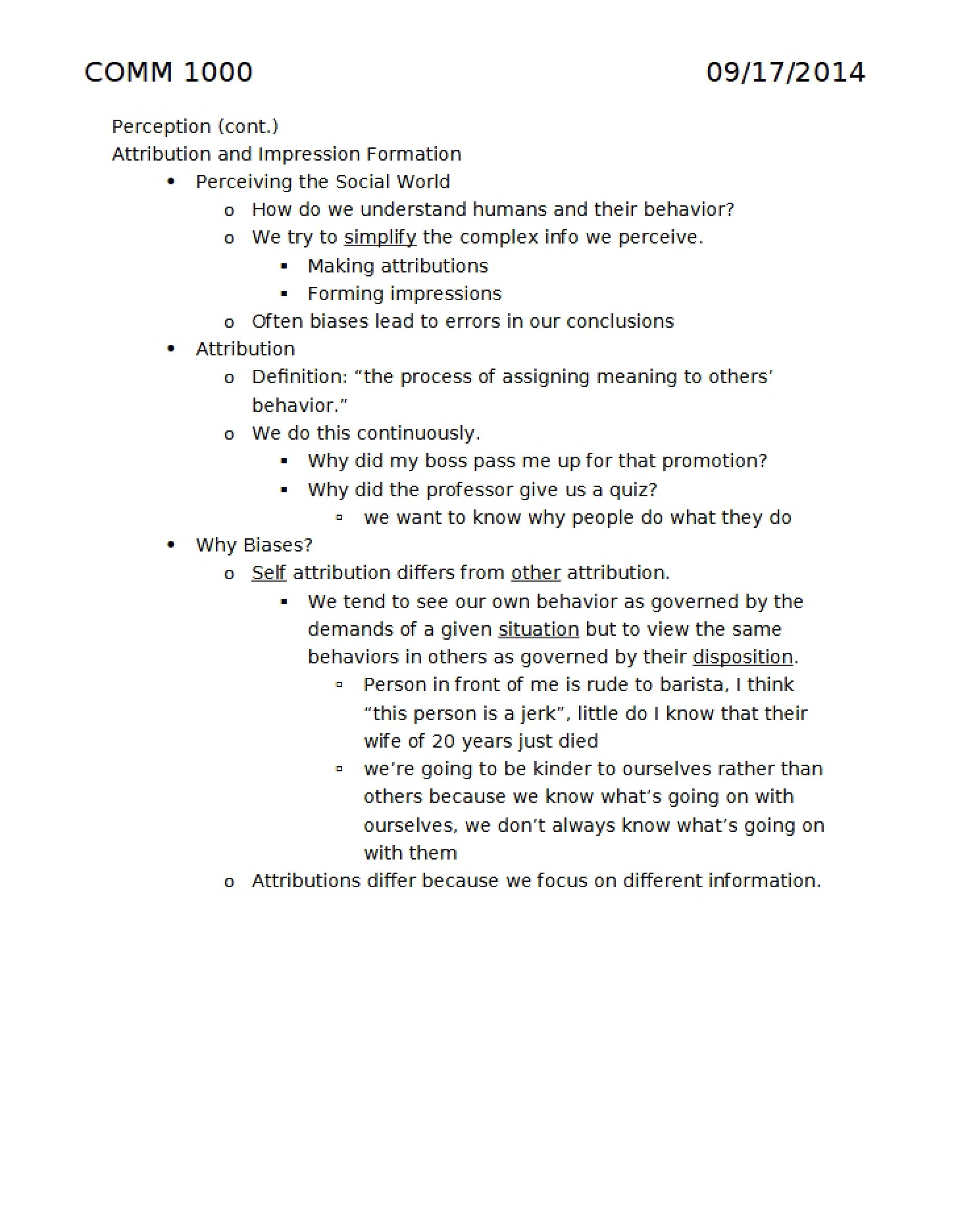
* The role of perception and expectation in communication
* Interplay between different social roles and potential conflicts
What This Document Provides
* Exploration of key theoretical frameworks in interpersonal communication.
* Insight into the factors influencing relationship development and maintenance.
* Examination of the role of communication in managing conflict.
* Discussion of how individuals seek and process information in social interactions.
* A foundation for understanding the complexities of human connection.
* Conceptual understanding of how communication impacts various aspects of life.