What This Document Is
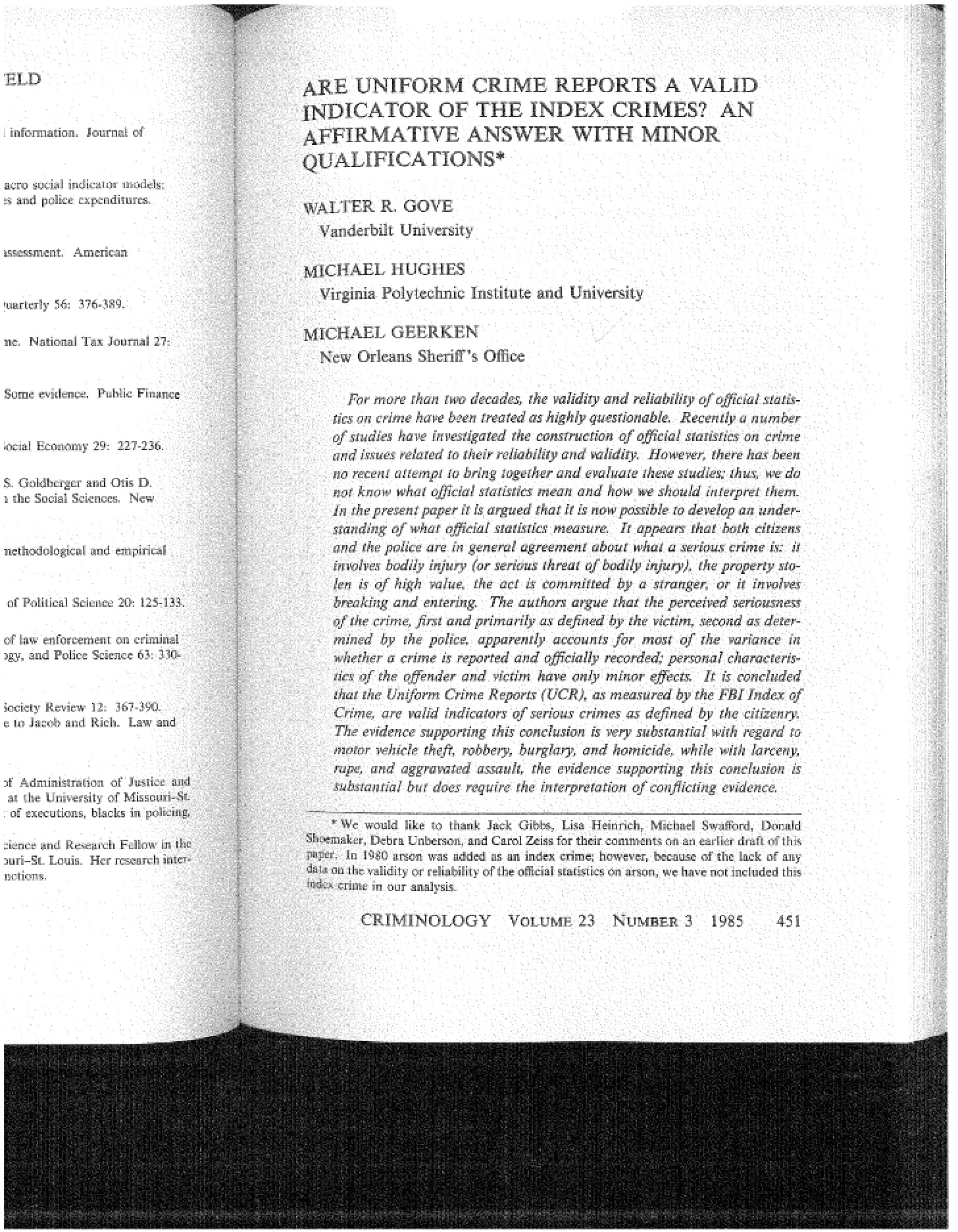
This document presents a seminal work exploring the sociological factors influencing official crime statistics. It’s a published academic article, originally appearing in the *American Sociological Review*, that delves into the processes by which crime rates are *produced* rather than simply reflecting an objective reality of criminal activity. The analysis centers on understanding how interactions between citizens and law enforcement shape the data that ultimately defines our understanding of crime. It’s a foundational piece for students seeking a deeper understanding of the complexities inherent in criminological research and the limitations of relying solely on official data.
Why This Document Matters
This resource is particularly valuable for students enrolled in advanced criminology courses, especially those focusing on research methods, sociological theory, or the critical analysis of criminal justice systems. It’s most beneficial when you’re grappling with questions about the validity and reliability of crime statistics, and how social forces impact the reporting and recording of criminal events. Understanding the concepts presented here will enhance your ability to critically evaluate criminological research and formulate informed perspectives on crime and social control.
Topics Covered
* The sociological production of crime rates
* The role of police discretion in crime reporting
* The influence of complainant characteristics on official records
* Relationships between social factors and crime statistics
* Theoretical frameworks for understanding crime data
* The limitations of using official statistics as measures of “actual” crime
* The impact of legal definitions on crime rate construction
What This Document Provides
* An in-depth analysis of field encounters between police and citizens.
* Empirical findings from a multi-city observational study.
* Examination of factors relating to the creation of official crime reports.
* A discussion of the relationship between police work and broader social structures.
* A critical perspective on the use of official crime statistics in criminological research.
* A historical context for understanding the development of criminological thought.