What This Document Is
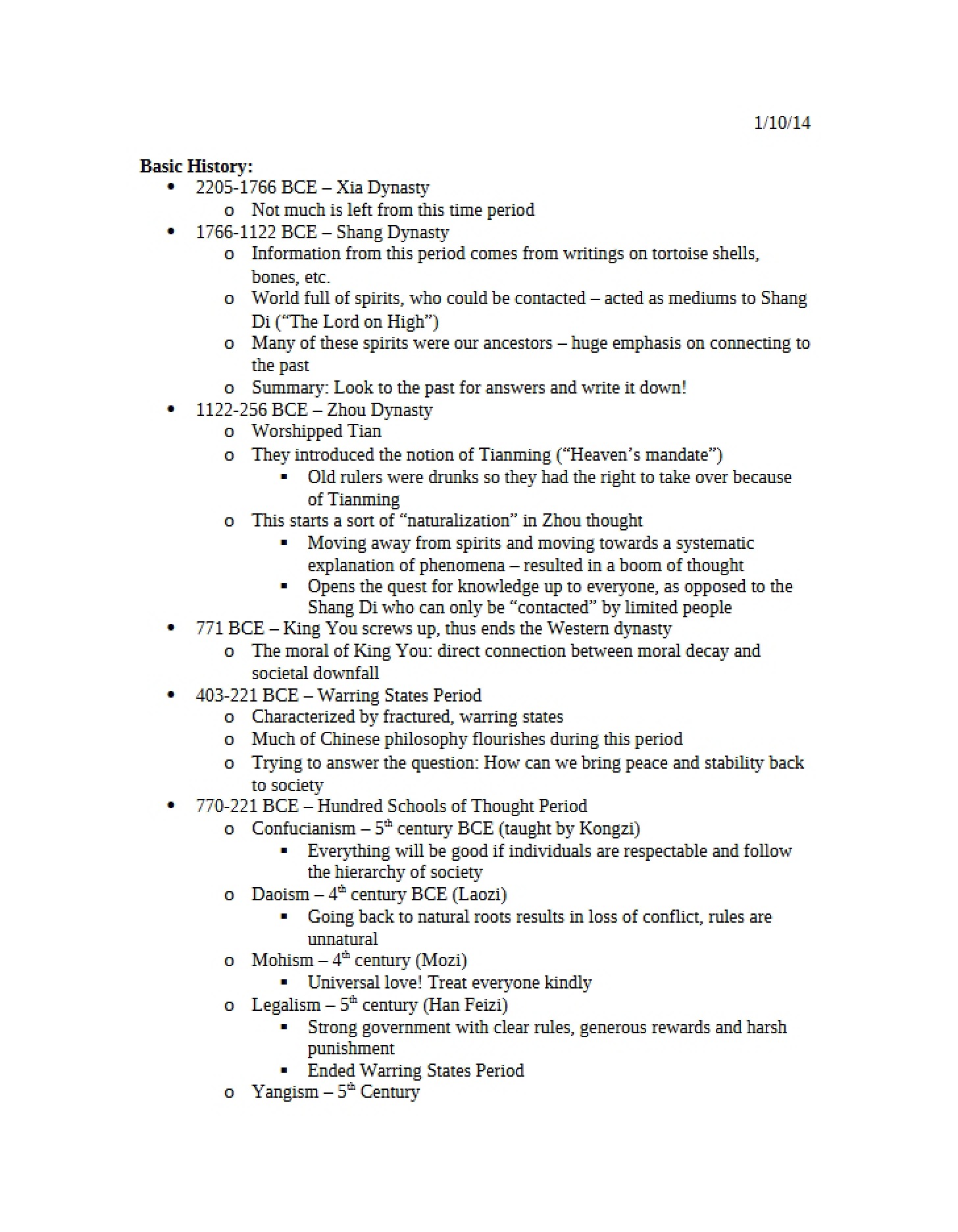
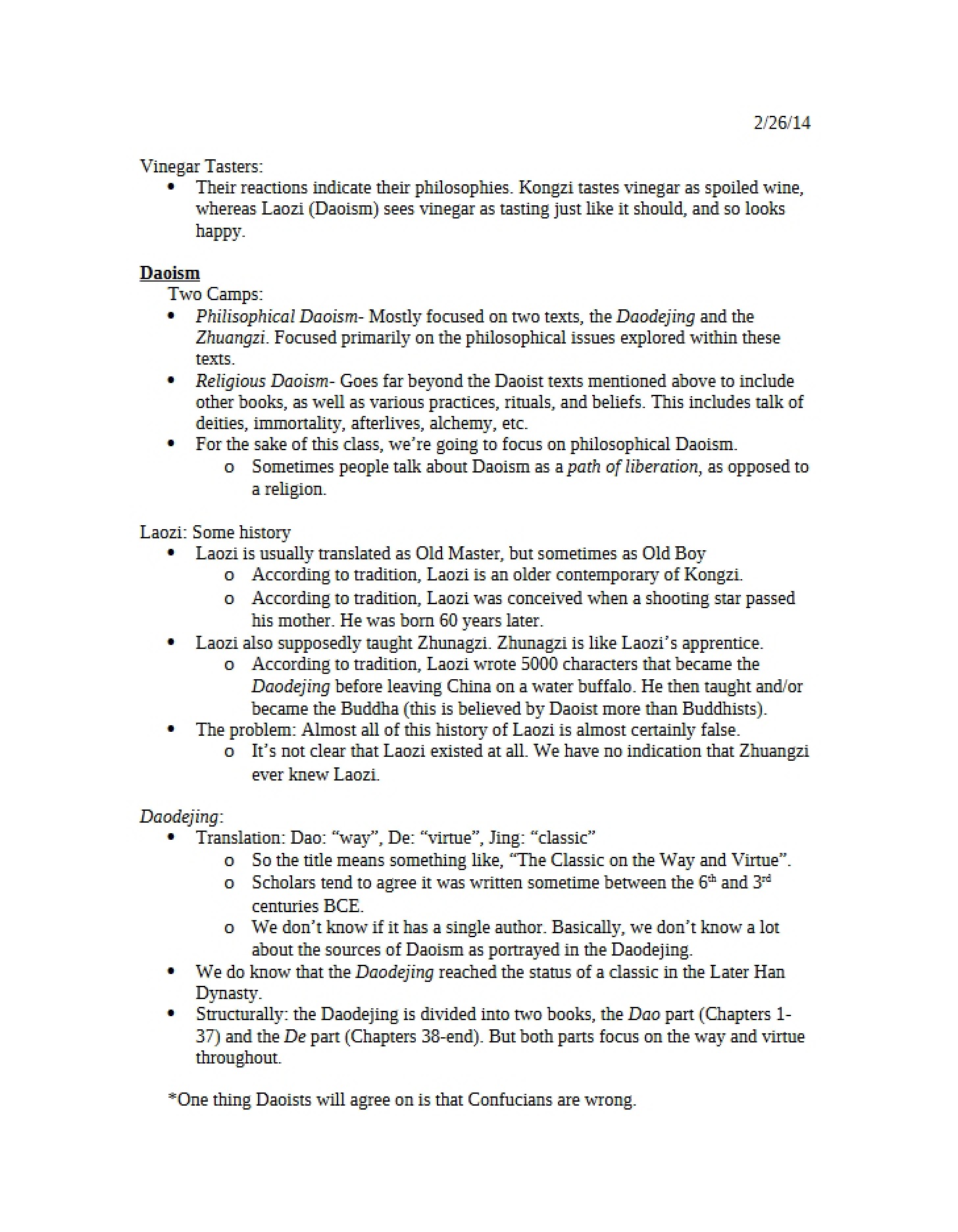
This study guide provides a focused exploration of Daoism, a central philosophical tradition within Asian thought. It delves into the core tenets of Daoist philosophy, contrasting its principles with other influential schools of thought present in ancient China. The material is designed to support students engaging with complex philosophical concepts and encourages a deeper understanding of Daoist perspectives on society, morality, and the nature of reality.
Why This Document Matters
This resource is particularly valuable for students enrolled in courses on Asian Philosophy, Chinese thought, or comparative religion. It’s ideal for those seeking a comprehensive overview of Daoism to supplement lectures and assigned readings. Whether you’re preparing for an exam, working on an essay, or simply aiming to broaden your philosophical horizons, this guide offers a structured approach to grasping the nuances of Daoist thought. It’s especially helpful for students who benefit from a clear articulation of key ideas and their interrelationships.
Topics Covered
* Foundational concepts of the Dao and its relationship to existence.
* A comparative analysis of Daoism and Confucianism, highlighting points of agreement and divergence.
* The Daoist critique of societal structures and conventional virtues.
* The significance of key terms like *de*, *yin*, and *yang* within the Daoist framework.
* The concept of *wu wei* and its implications for action and living a virtuous life.
* The role of emptiness and intuitive understanding in Daoist practice.
What This Document Provides
* A detailed examination of the core principles that underpin Daoist philosophy.
* An exploration of the challenges inherent in defining and articulating the Dao.
* Insights into the Daoist understanding of human flourishing and the ideal life.
* A framework for understanding the Daoist concept of the sage and their role in society.
* A discussion of the principle of non-contention and its application to resolving conflict.