What This Document Is
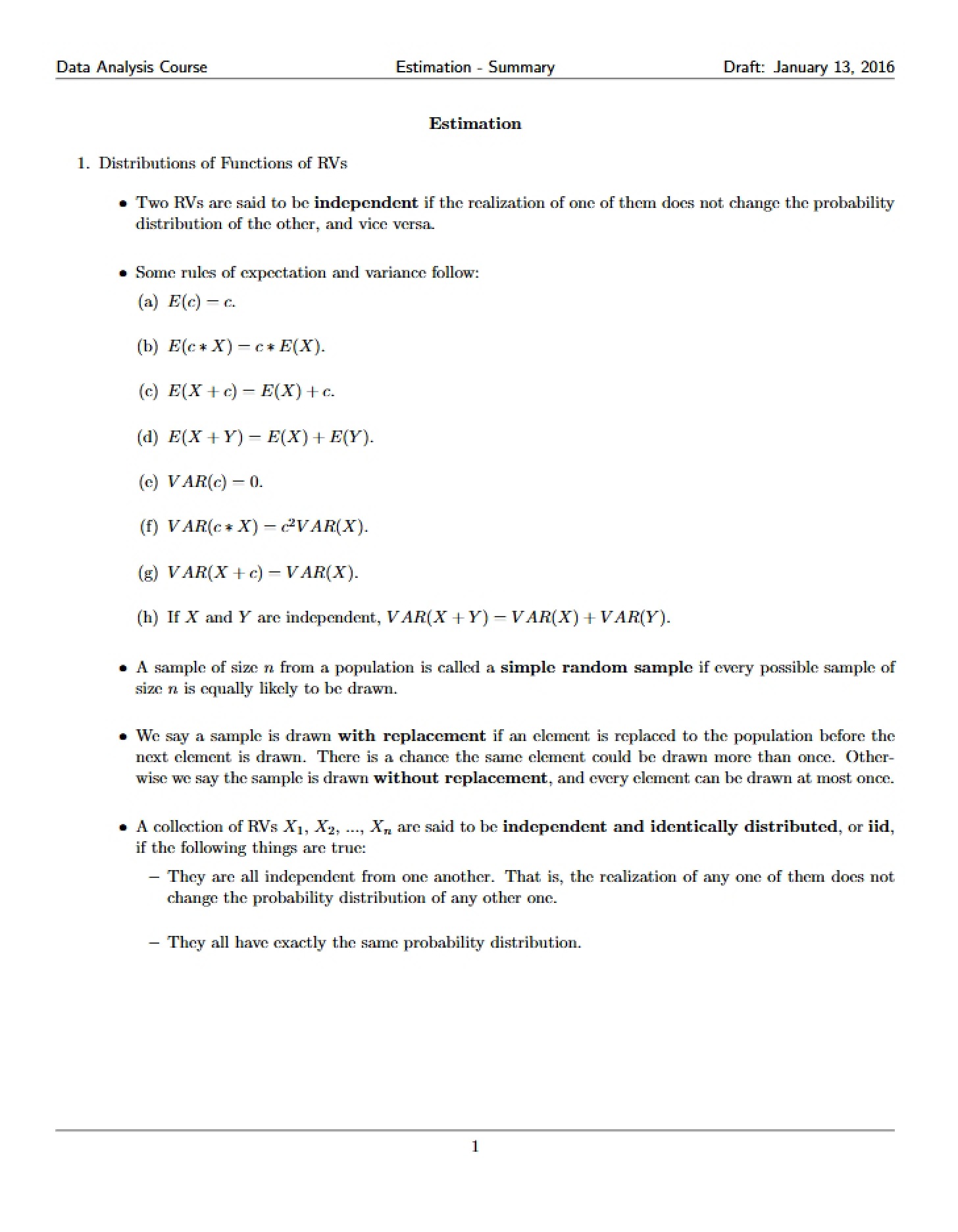
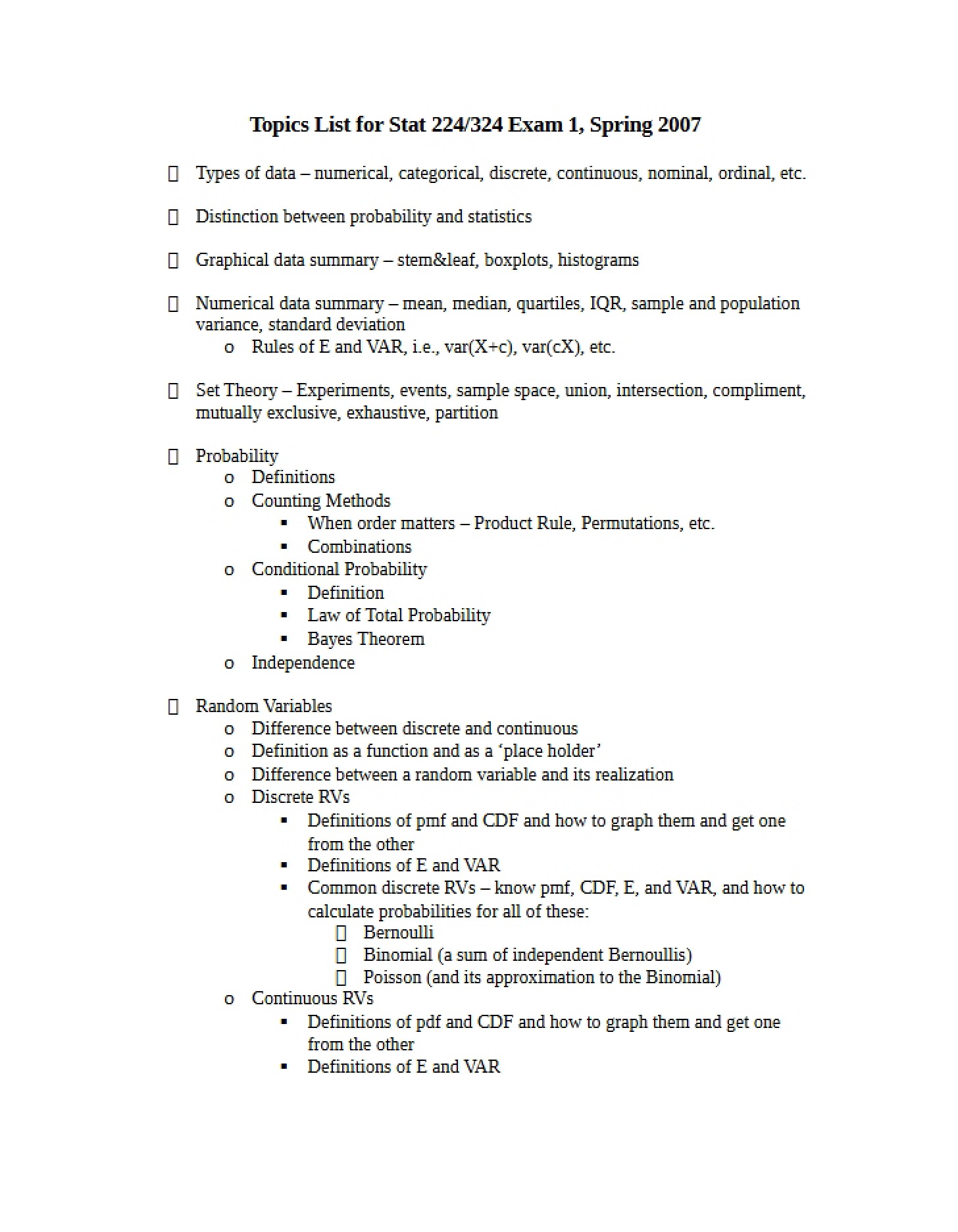
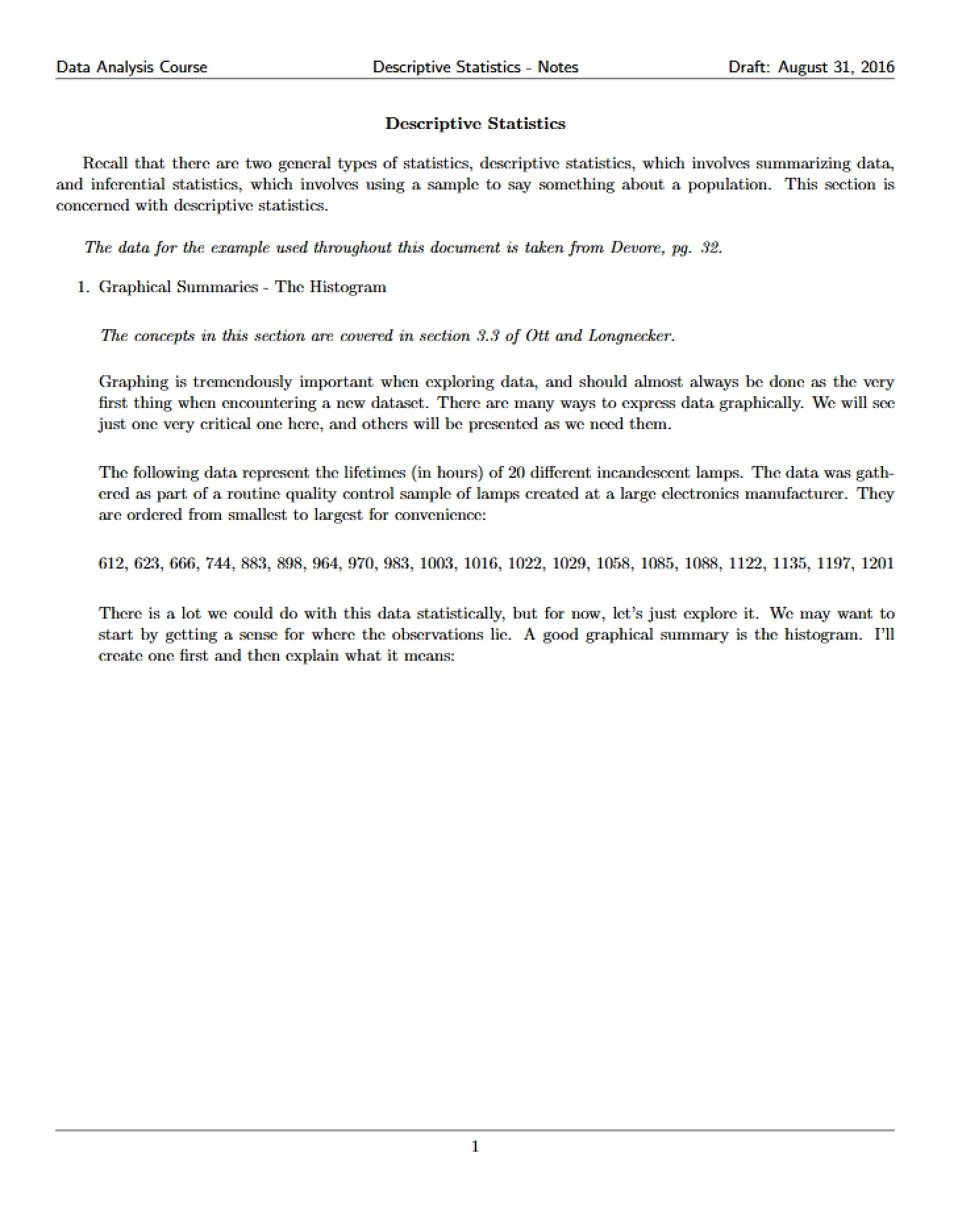
This study guide provides a focused overview of descriptive statistics, a foundational element within the field of engineering statistics. It’s designed as a concentrated resource for students in STAT 224 at the University of Wisconsin-Madison, offering a structured summary of key concepts related to understanding and characterizing datasets. The material centers around methods for summarizing and presenting data in a meaningful way, moving beyond simply listing raw values. It’s a draft summary from September 14, 2016, representing a refined collection of core ideas.
Why This Document Matters
This resource is invaluable for engineering students needing a quick and efficient review of descriptive statistics. It’s particularly helpful when preparing for quizzes, exams, or tackling initial data analysis tasks in projects. Students who are feeling overwhelmed by large datasets or struggling to select appropriate methods for summarizing information will find this guide beneficial. It serves as a strong starting point for building a solid understanding of how to represent and interpret data before moving on to more complex inferential techniques. It’s ideal for reinforcing lecture material and solidifying core principles.
Common Limitations or Challenges
This guide focuses *solely* on descriptive statistics. It does not cover inferential statistics, hypothesis testing, or modeling techniques. While it provides a summary of important measures, it doesn’t delve into the underlying mathematical proofs or derivations of these concepts. It also doesn’t offer practical guidance on selecting the *best* descriptive method for a specific dataset – that requires applying your understanding to real-world scenarios. This is a condensed summary and should be used in conjunction with course lectures and assigned readings.
What This Document Provides
* An overview of visual data representation techniques.
* Explanations of key measures of central tendency (location).
* A summary of methods for quantifying data spread and variability.
* Definitions of important statistical terminology related to data summarization.
* Discussion of how to divide and interpret datasets using quartiles.
* A concise review of calculating fundamental summary values.