What This Document Is
This is a detailed exploration of sex determination across various organisms, designed for students in an introductory genetics and evolution course. It delves into the complex mechanisms beyond simple male/female distinctions, examining the genetic and environmental factors that influence the development of sexual characteristics. The material builds upon foundational knowledge of chromosomes and inheritance patterns, applying these concepts to real-world biological examples.
Why This Document Matters
This resource is ideal for students seeking a deeper understanding of the genetic basis of sex and the diversity of strategies employed by different species. It’s particularly helpful when studying chromosomal inheritance, evolutionary adaptations, and the interplay between genes and the environment. Students preparing for exams or working on assignments related to genetics, developmental biology, or evolutionary biology will find this a valuable study aid. Accessing the full content will provide a comprehensive foundation for advanced coursework.
Topics Covered
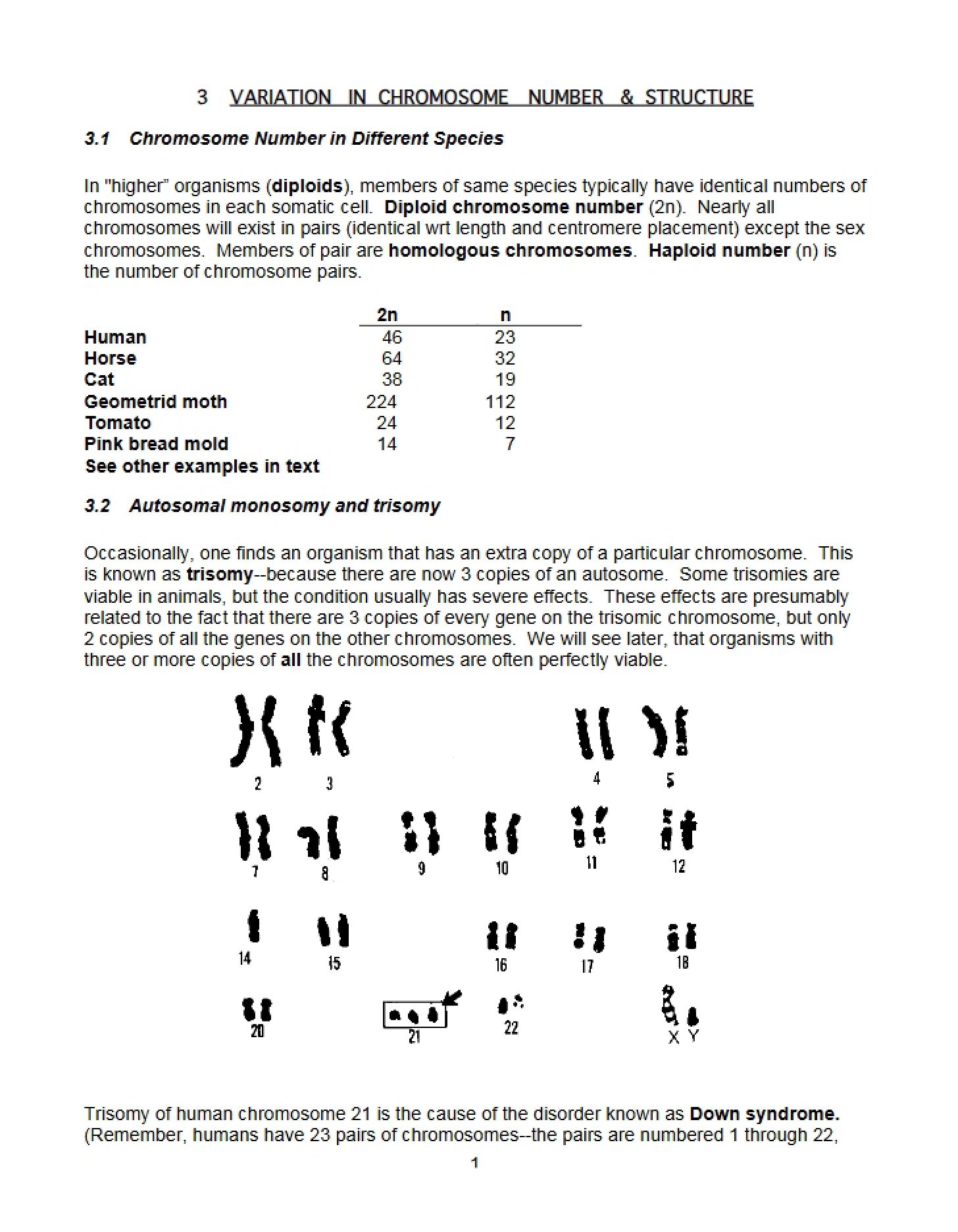
* Chromosomal mechanisms of sex determination (including X/A ratios)
* Alternative sex determination systems beyond XX/XY (XO, ZW, haplodiploidy)
* The influence of environmental factors, such as temperature, on sex determination
* Instances of sex reversal and non-traditional sex determination strategies in various species
* The concept of genomic imprinting and its potential impact on inherited traits
* Genetic linkage and mapping principles as they relate to sex-linked traits
What This Document Provides
* A comparative analysis of sex determination systems across a range of organisms – from *Drosophila* to mammals, reptiles, and fish.
* Illustrative examples of how different genetic configurations lead to varying sexual phenotypes.
* Discussion of unique cases where sex isn’t strictly “determined” but can be fluid or absent.
* Visual aids and diagrams to help illustrate complex genetic concepts.
* Exploration of the role of genomic imprinting in gene expression and potential disease states.