What This Document Is
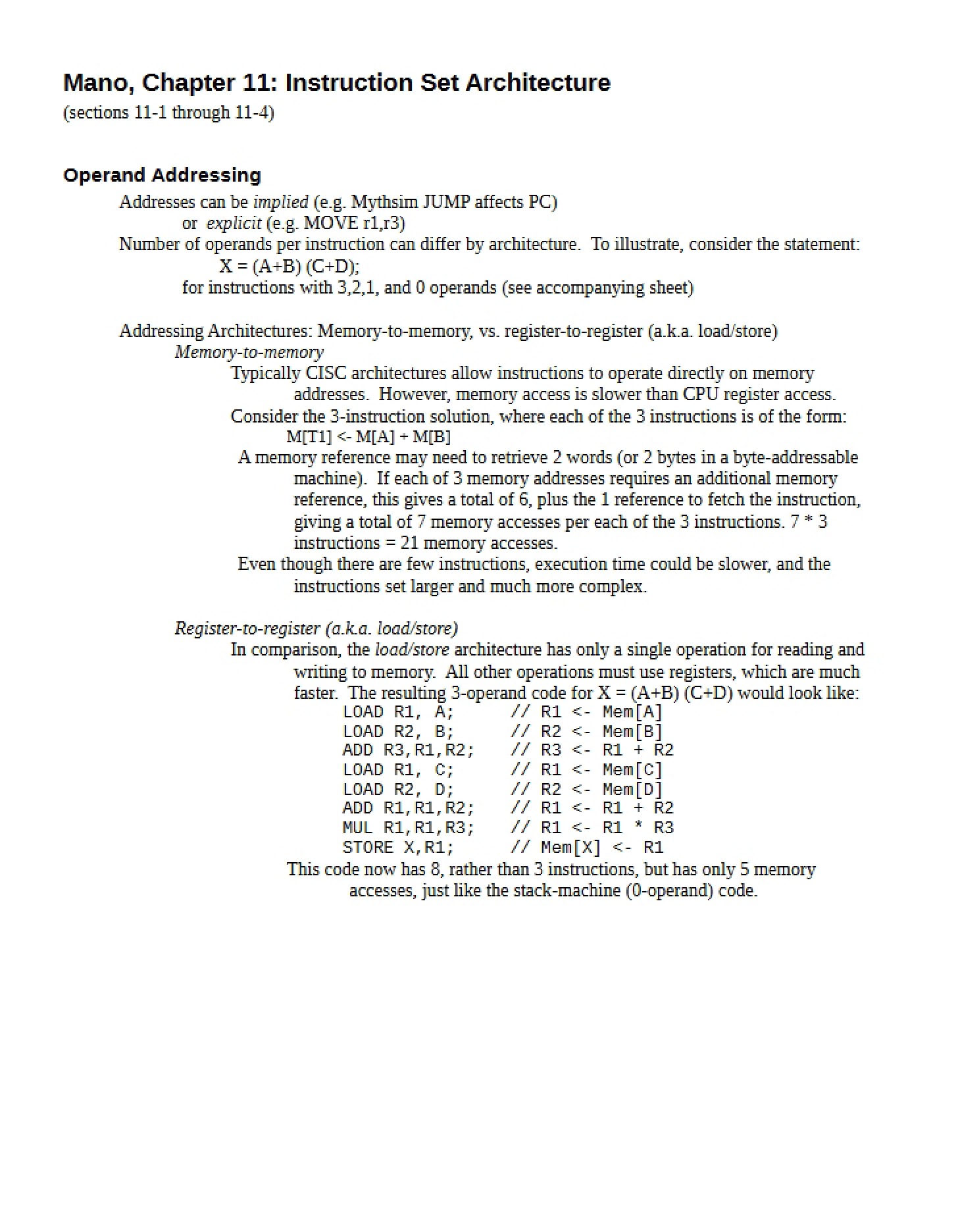
This resource is a detailed visual and conceptual exploration of Instruction Set Architecture (ISA), a core component of Computer Architecture II at the University of Illinois at Chicago (CS 366). It focuses on illustrating how complex arithmetic operations are broken down into a series of fundamental instructions that a computer can execute. The material utilizes a diagrammatic approach to demonstrate the flow of data and operations within a system adhering to a specific architectural model. It’s designed to solidify understanding of the hardware-software interface by showing how high-level expressions translate into low-level machine code execution.
Why This Document Matters
Students enrolled in CS 366, or anyone studying computer organization and assembly language programming, will find this particularly valuable. It’s ideal for use when you’re grappling with the practical implementation of arithmetic and logical operations at the machine level. This resource is especially helpful when you need to visualize how different instruction formats impact program execution and performance. Understanding these concepts is crucial for optimizing code and designing efficient computer systems. Accessing the full resource will provide a deeper understanding of these foundational principles.
Topics Covered
* Instruction Set Design Principles
* Operand Types and Addressing Modes
* Stack-Based Architecture
* Arithmetic and Logical Operation Implementation
* Data Movement and Storage
* Relationship between High-Level Code and Machine Instructions
* Register Utilization and Management
What This Document Provides
* A detailed diagram illustrating the step-by-step execution of a complex expression using a specific ISA.
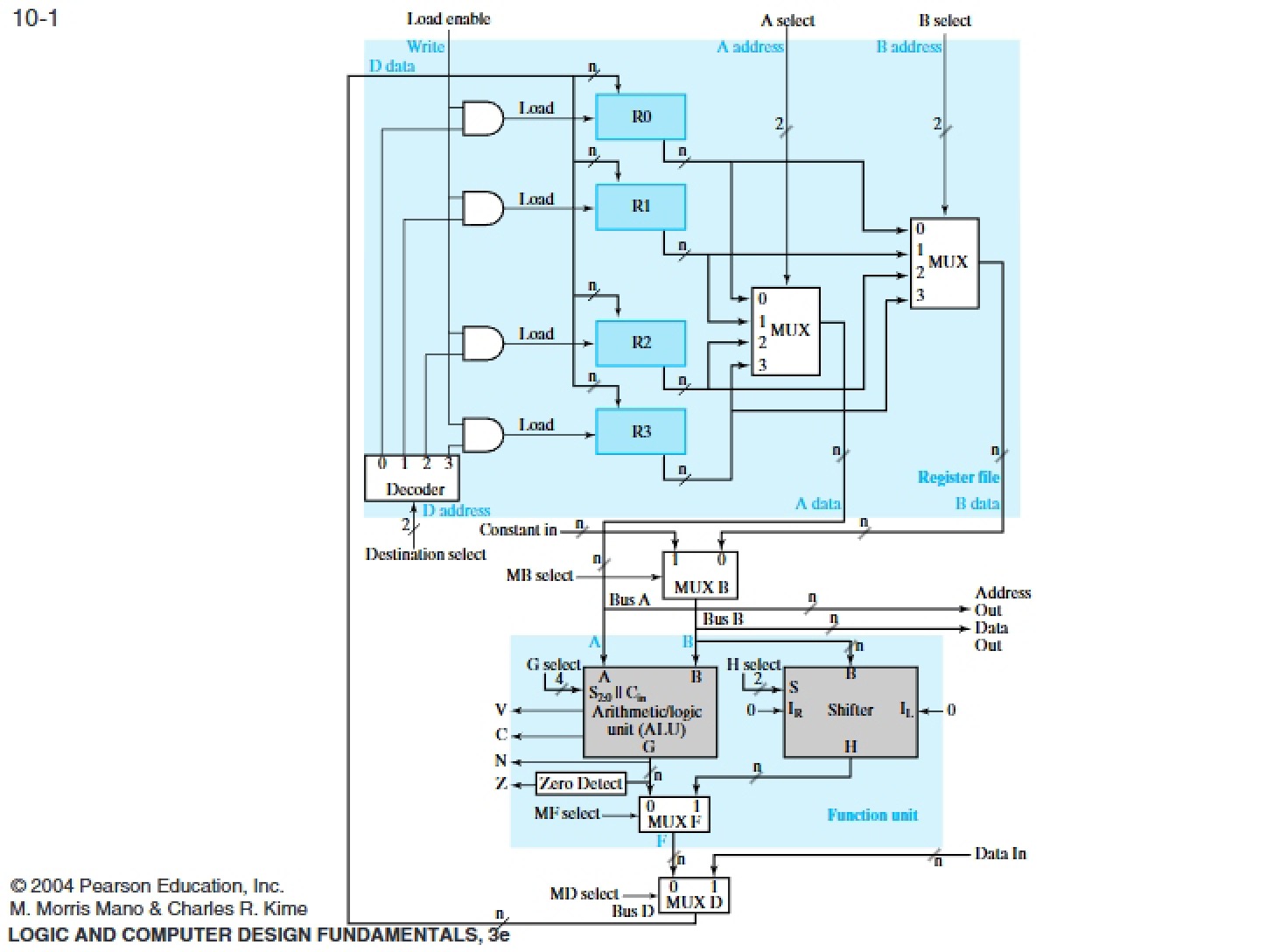
* Visual representation of data flow between memory locations and registers.
* Illustrative examples of how fundamental instructions are combined to perform higher-level operations.
* Clarification of key terminology related to ISA, such as “TOS” (Top of Stack) and implicit operands.
* A framework for understanding the underlying principles of computer architecture and their impact on software execution.