What This Document Is
This resource is a focused exploration of a critical region within the vertebrate brain: the diencephalon. Specifically designed for students in NSCI 1100 at the University of Minnesota Twin Cities, it delves into the structural components that comprise this forebrain region and their broad functional roles. It’s intended to build a foundational understanding of this complex area, setting the stage for more detailed study of neural pathways and associated behaviors. The material presents an overview of interconnected brain structures and their significance within the larger nervous system.
Why This Document Matters
This resource is invaluable for any student tackling human neuroanatomy. It’s particularly helpful when you’re beginning to map out the brain’s organization and understand how different areas contribute to overall function. Use this as a starting point before diving into detailed histological studies or complex neurological case studies. It’s also beneficial for students preparing to explore the interplay between the nervous system and endocrine function, or those interested in the biological basis of motivated behaviors. A solid grasp of the diencephalon is essential for understanding higher-order brain processes.
Common Limitations or Challenges
This resource provides a foundational overview and does *not* include detailed protocols for dissection, specific clinical case analyses, or in-depth explorations of neurological disorders. It focuses on anatomical relationships and broad functional categories, and won’t provide step-by-step guides to identifying structures on brain specimens. Furthermore, it doesn’t cover the full scope of neurophysiological mechanisms at play within the diencephalon – it’s a starting point, not an exhaustive treatise.
What This Document Provides
* An overview of the key anatomical divisions within the diencephalon.
* A discussion of the general functions associated with each component.
* An introduction to the relationship between the diencephalon and other major brain regions, including the cerebral cortex.
* Insights into the role of specific structures in regulating essential bodily functions.
* An exploration of how the diencephalon connects to systems involved in motivation and memory.
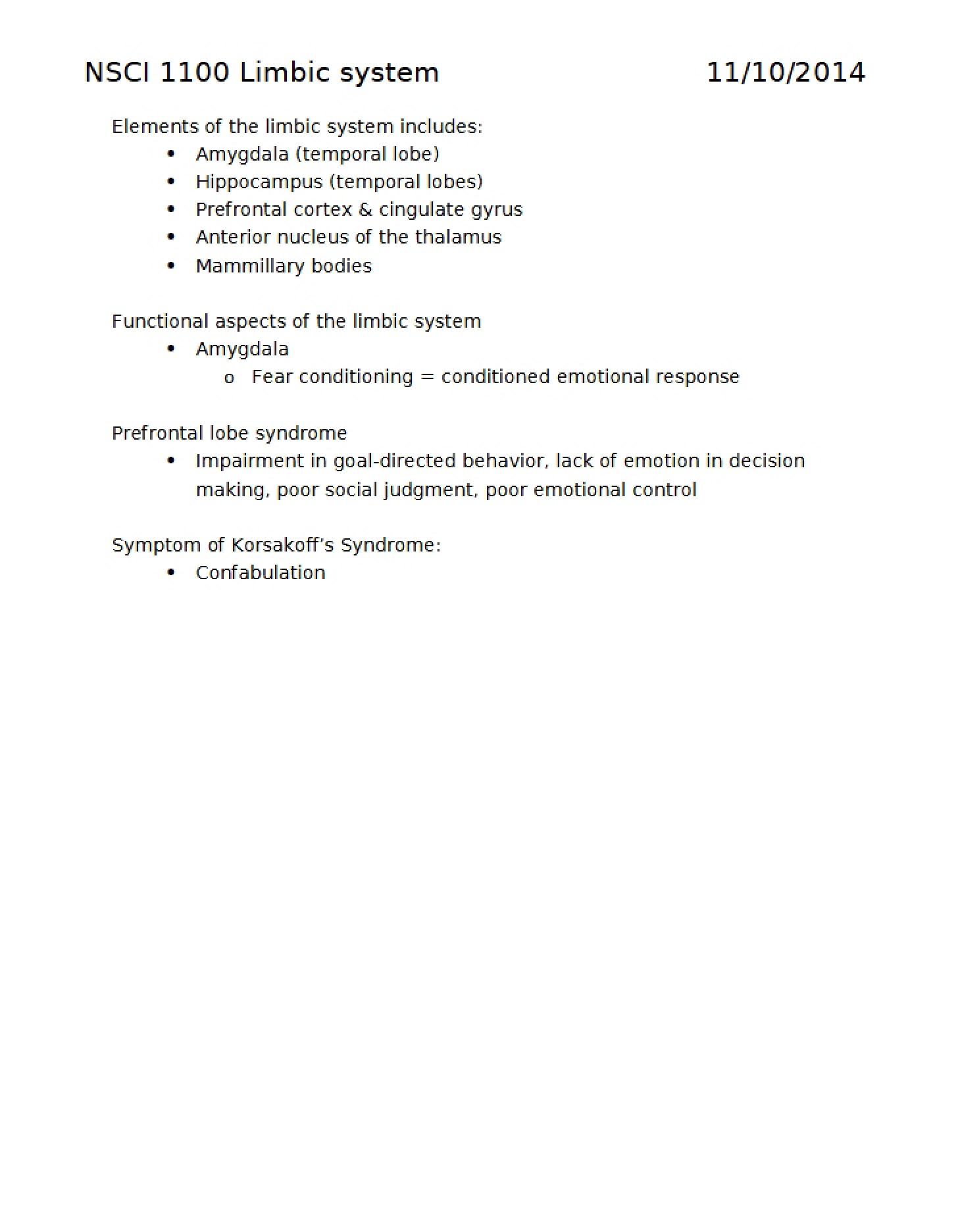
* A brief overview of related brain structures like the basal ganglia and limbic system.