What This Document Is
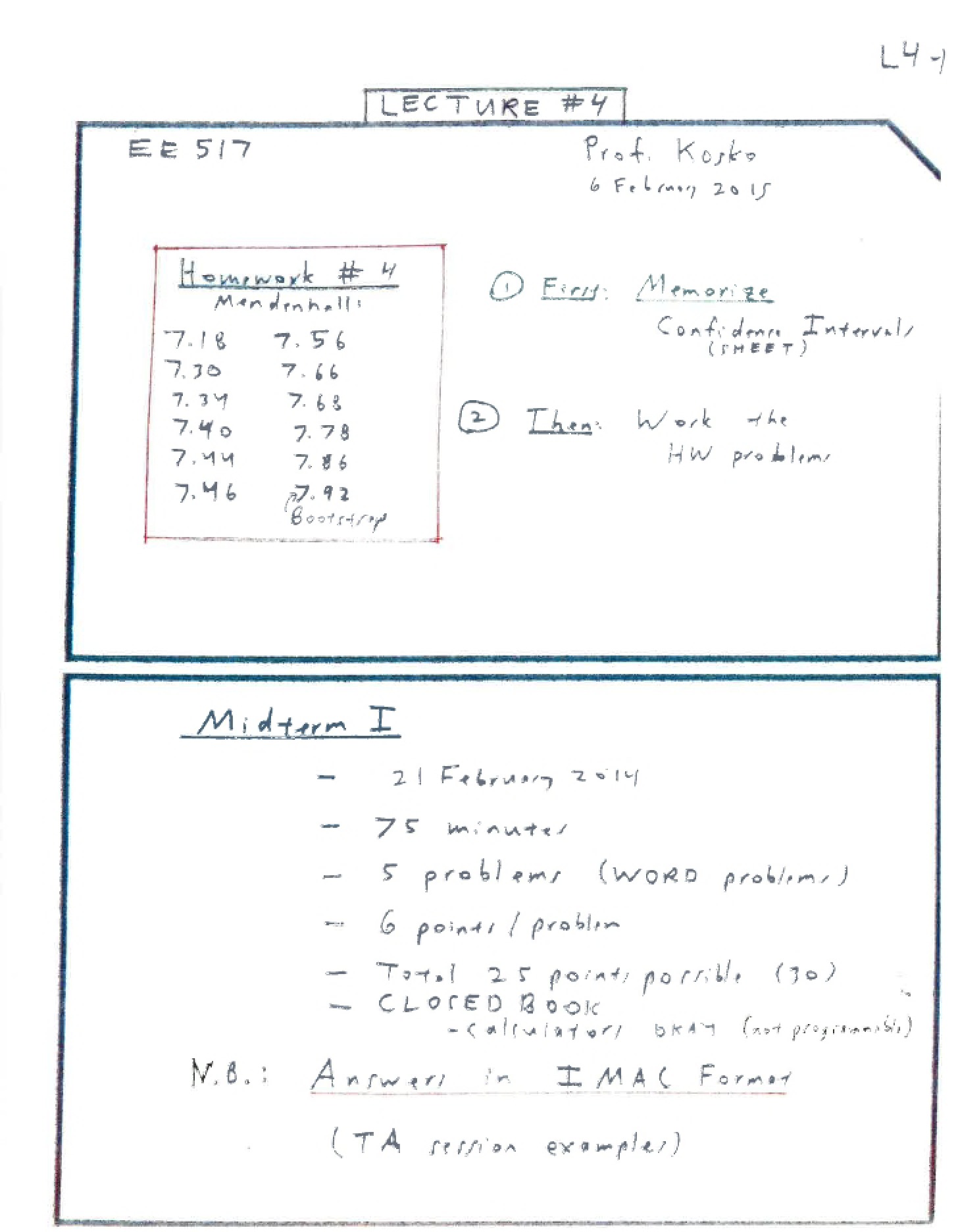
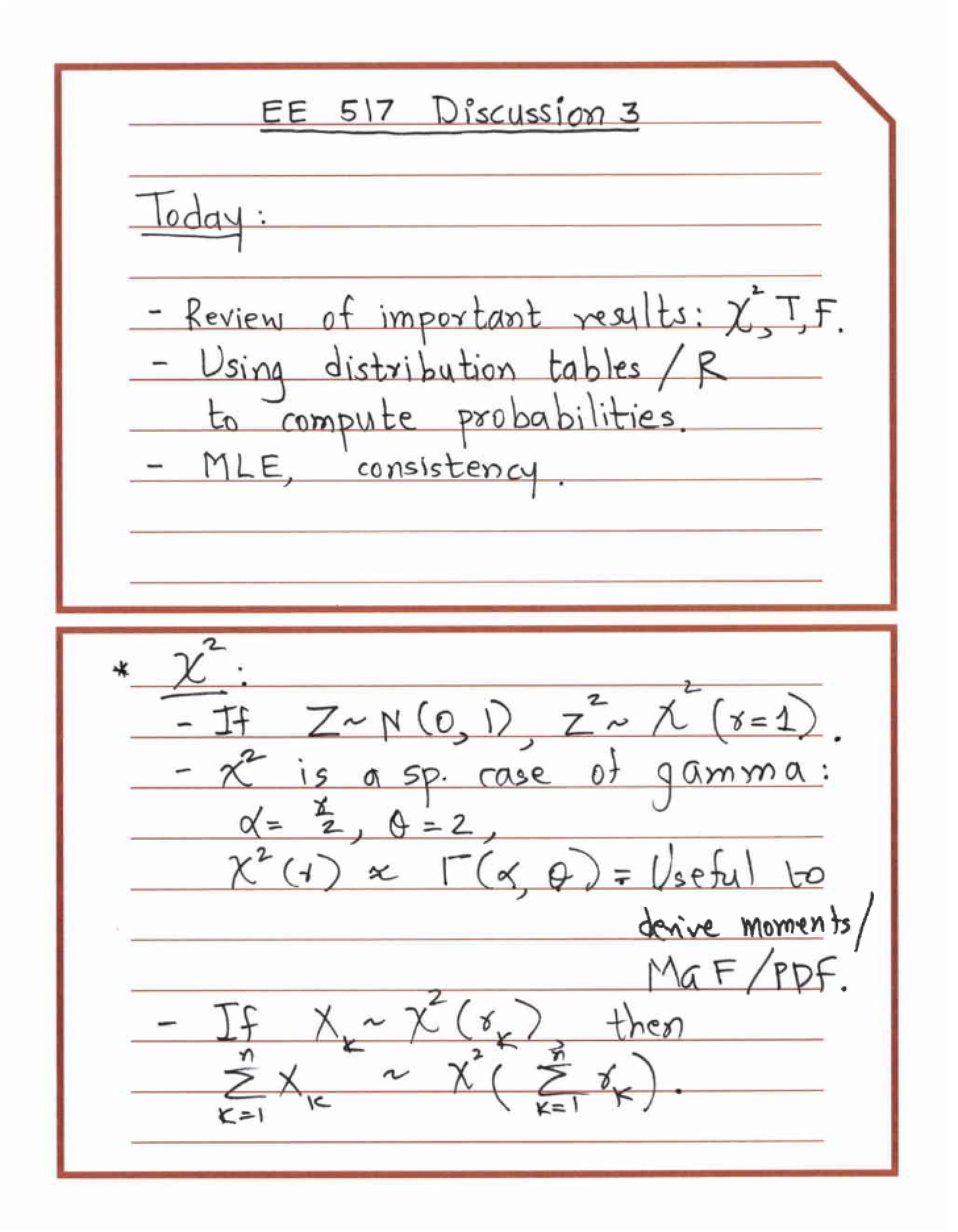
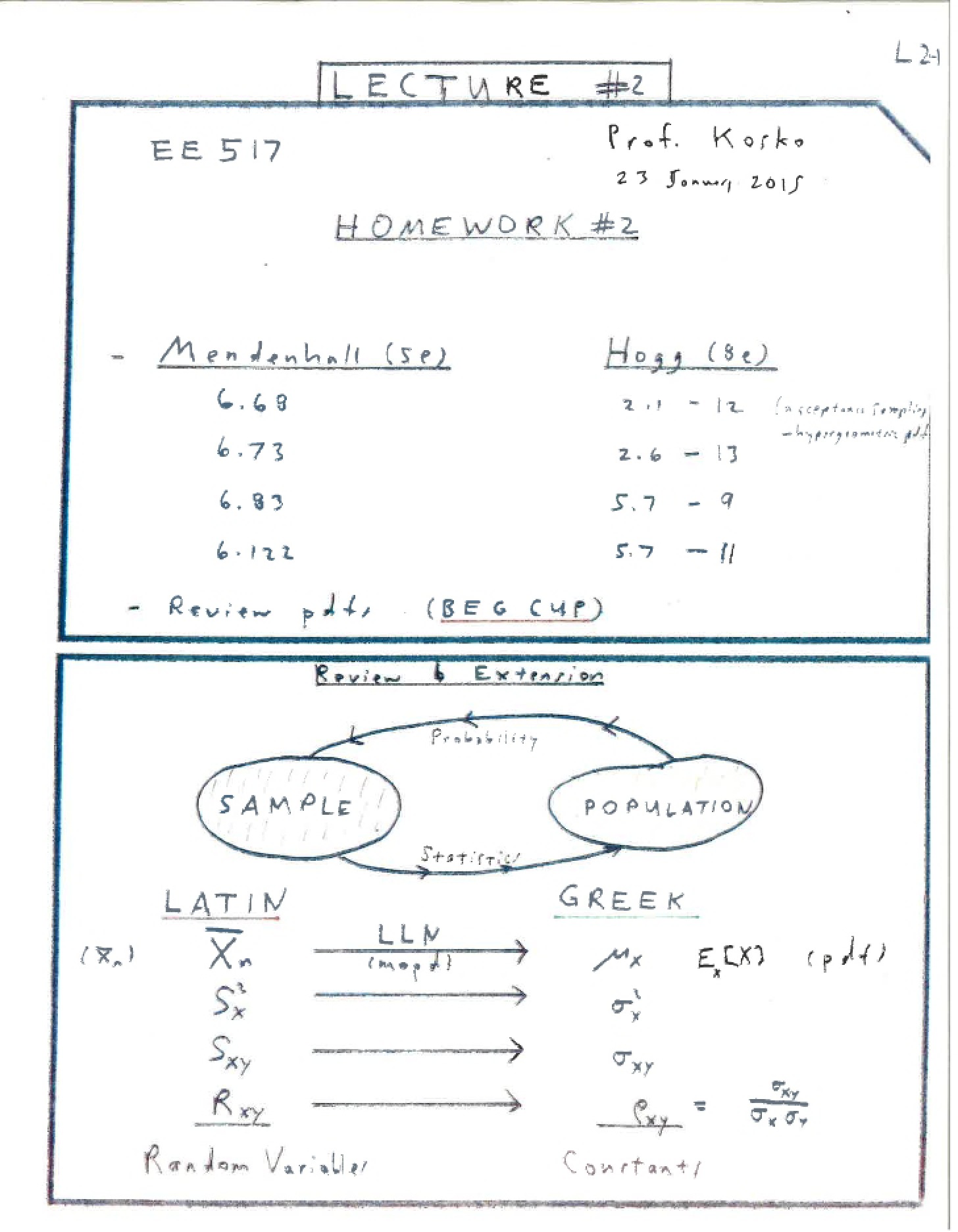
This resource is a study guide stemming from a discussion session for EE 517, Statistics for Engineers at the University of Southern California. It appears to focus on core statistical concepts, likely building upon lectures and assigned readings. The material is presented in a format typical of a classroom discussion – potentially including notes taken during problem-solving or clarification of key ideas. It’s dated February 11, 2015, indicating it reflects the course content as taught during that semester. The guide seems to emphasize practical application of statistical principles, rather than purely theoretical definitions.
Why This Document Matters
Students enrolled in EE 517, or similar engineering statistics courses, will find this study guide particularly helpful when reviewing challenging topics covered in lectures. It’s ideal for use *after* attending the corresponding lecture and attempting initial problem sets. This resource can aid in solidifying understanding and identifying areas where further clarification is needed from the professor or teaching assistant. It’s especially valuable for students who benefit from seeing how concepts are applied in a discussion-based learning environment. Access to this guide can help bridge the gap between theoretical knowledge and practical implementation.
Common Limitations or Challenges
This study guide is *not* a substitute for attending lectures, completing assigned readings, or working through practice problems independently. It doesn’t contain a comprehensive re-derivation of statistical formulas or a complete overview of the course syllabus. It represents a specific interpretation of the material as discussed during one particular session and may not cover all nuances or alternative approaches. Furthermore, it does not include solutions to homework assignments or exam questions. It’s designed to *supplement* your learning, not replace core course materials.
What This Document Provides
* Notes relating to statistical inference and probability.
* Potential discussion points surrounding key statistical parameters.
* References to specific statistical values and their interpretations.
* A record of concepts likely explored through problem-solving during the discussion session.
* Insights into areas of potential difficulty or common misunderstandings.