What This Document Is
This is a focused discussion guide related to Applied Regression Analysis (STAT 333) at the University of Wisconsin-Madison. Specifically, it delves into the application of logistic regression techniques – a statistical method used when the outcome variable is binary, meaning it has only two possible results. The guide explores practical considerations and interpretations within this modeling framework, using real-world data to illustrate key concepts. It builds upon previously learned regression principles and introduces nuances specific to binary response variables.
Why This Document Matters
Students enrolled in STAT 333 will find this guide particularly helpful when reinforcing their understanding of logistic regression. It’s ideal for reviewing material before quizzes or exams, or for clarifying concepts encountered during lectures. Individuals preparing to apply these techniques in their own research or data analysis projects will also benefit from the detailed exploration of model building and evaluation. This resource is designed to bridge the gap between theoretical knowledge and practical application of logistic regression.
Common Limitations or Challenges
This guide focuses on a specific application of logistic regression and does not cover all possible scenarios or extensions of the technique. It assumes a foundational understanding of general linear regression concepts. While it demonstrates model building and interpretation, it does not provide a comprehensive treatment of all diagnostic tests or model selection criteria. Access to the full resource is required to see the detailed calculations and specific code examples used.
What This Document Provides
* An exploration of the core principles behind logistic regression for binary outcomes.
* Discussion of model fitting and evaluation techniques.
* Illustrative examples using a real-world dataset.
* Guidance on interpreting model coefficients and assessing their statistical significance.
* Considerations for refining models through variable selection.
* Insights into assessing model fit and identifying potential issues.
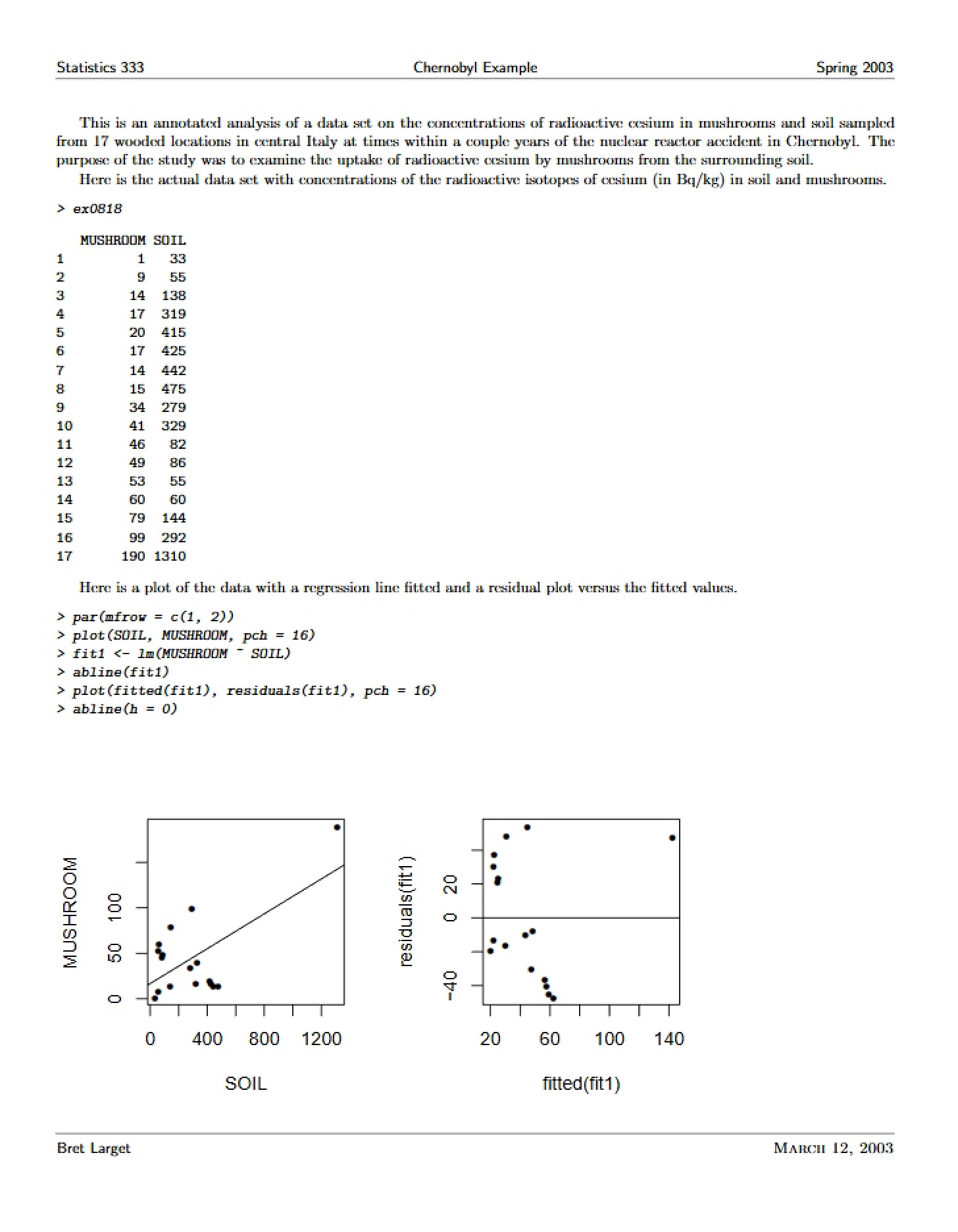
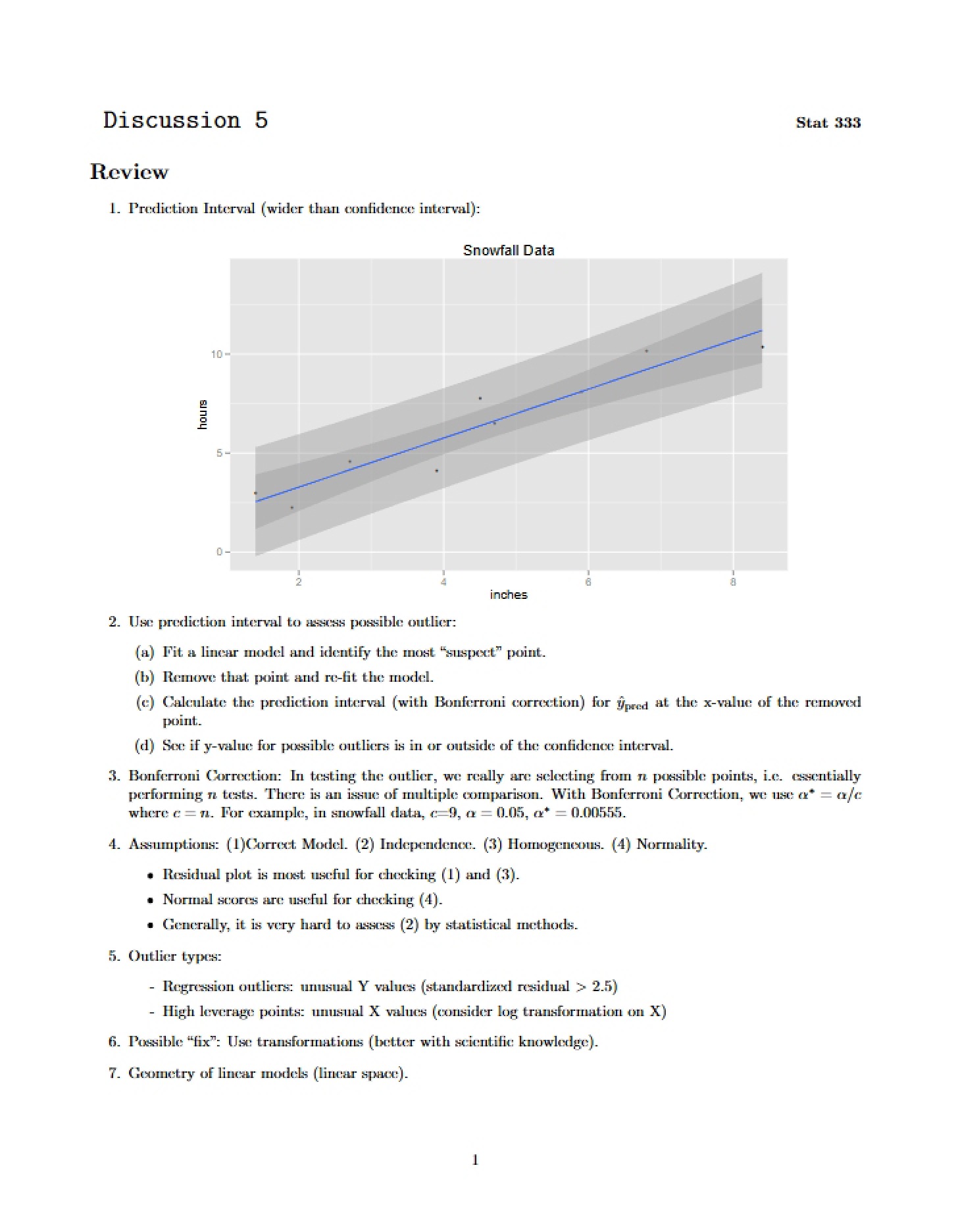
* Visualizations to aid in understanding residual analysis.