What This Document Is
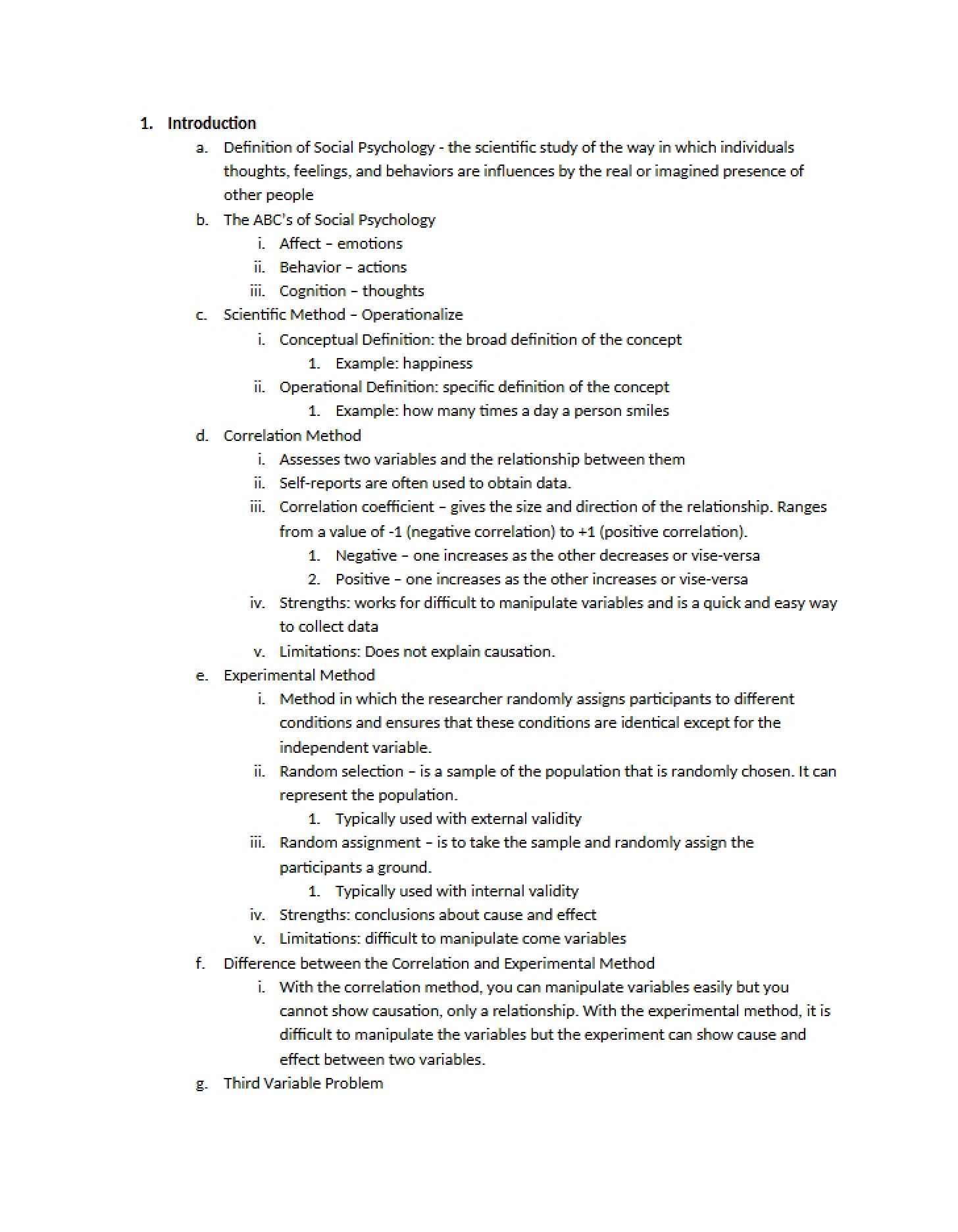
This study guide delves into the core principles of cognitive dissonance and its relationship to attitudes and persuasion within the field of Social Psychology. Created for students at The Ohio State University (PSYCH 2367), it offers a focused exploration of how individuals strive for consistency in their beliefs and behaviors, and what happens when inconsistencies arise. It examines influential theories and models used to understand attitude formation, change, and their impact on decision-making.
Why This Document Matters
This resource is ideal for students seeking a comprehensive understanding of foundational concepts in social psychology. It’s particularly helpful when preparing for exams, completing assignments, or needing a solid review of key theories. Anyone looking to deepen their knowledge of how people’s thoughts, feelings, and actions interact – and how these interactions can be influenced – will find this guide valuable. It’s designed to support your learning journey and provide a strong base for further exploration in the course.
Topics Covered
* The fundamental principles of Cognitive Dissonance Theory
* Methods for reducing cognitive discomfort
* The interplay between attitudes, behaviors, and cognitions
* Factors influencing attitude formation and strength
* Predictive power of attitudes and the Specificity Principle
* The Theory of Planned Behavior and its components
* Principles of persuasion and attitude change
* The Yale Approach to persuasion and the Sleeper Effect
* The Elaboration Likelihood Model (Central vs. Peripheral Routes)
What This Document Provides
* Detailed explanations of key psychological theories and models.
* A structured overview of the relationship between cognitive processes and social behavior.
* Exploration of the factors that influence how and why attitudes are formed.
* Insights into the mechanisms behind persuasive communication.
* A framework for understanding the complexities of human thought and action in social contexts.