What This Document Is
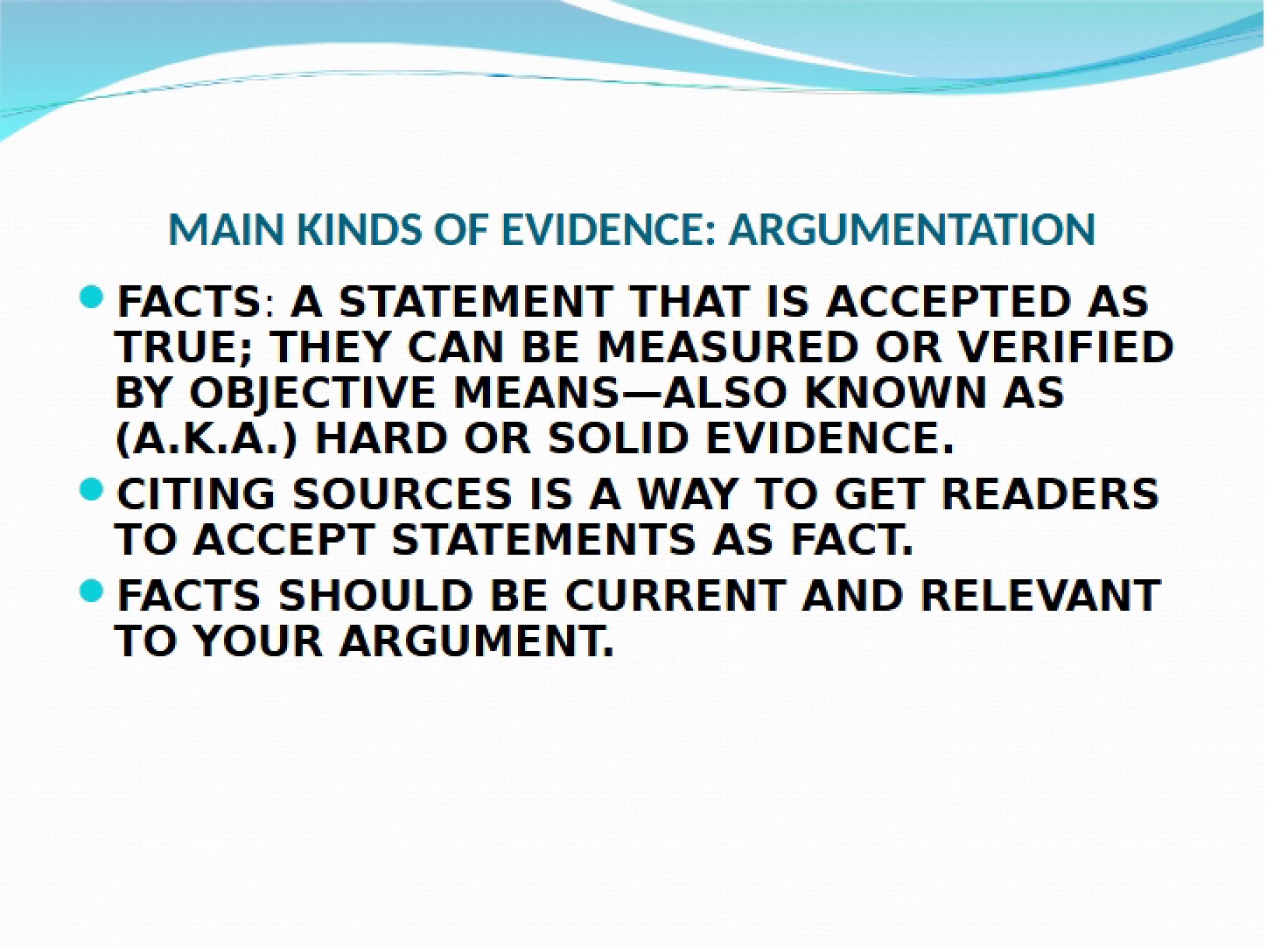
This resource is a focused exploration of the crucial distinction between factual statements and opinions – a cornerstone of strong research and persuasive writing. Designed for students in a college-level composition or research course, it delves into the surprisingly complex relationship between what is presented *as* truth and how audiences *receive* information. It moves beyond simple definitions, examining how context and academic discipline influence perceptions of fact and opinion.
Why This Document Matters
If you’re enrolled in a research writing course, preparing for a debate, or simply aiming to become a more discerning consumer of information, this material will be incredibly valuable. Understanding the nuances of factual claims versus subjective interpretations is essential for building credible arguments, evaluating sources effectively, and avoiding logical fallacies. It’s particularly helpful when tackling assignments that require evidence-based reasoning and critical analysis. Students who grapple with identifying bias or constructing well-supported arguments will find this a useful starting point.
Common Limitations or Challenges
This resource focuses specifically on the theoretical underpinnings of fact and opinion within an academic setting. It does *not* provide a checklist for instantly categorizing every statement you encounter. Nor does it offer pre-written analyses of specific texts or arguments. It’s designed to build your conceptual understanding, not to provide ready-made answers. It also doesn’t cover advanced topics like post-truth or misinformation in extensive detail – its scope is centered on the core relationship between claim and audience acceptance.
What This Document Provides
* A foundational exploration of the relationship between facts and opinions.
* Consideration of how audience perception impacts the classification of statements.
* Discussion of the role of proof and explanation in establishing credibility.
* Insight into how the concept of “truth” can be fluid within academic disciplines.
* An examination of the importance of context when evaluating claims.