What This Document Is
This study guide delves into the critical concept of normality and its applications within the field of psychological data analysis. It’s designed to support students in PSYCH 2220 at The Ohio State University as they explore the foundations of statistical inference. The material focuses on understanding how data distributions behave and how to interpret variations from expected patterns. It builds a strong base for more advanced statistical techniques used throughout the course.
Why This Document Matters
This resource is invaluable for psychology students who need a firm grasp of distribution principles. It’s particularly helpful when preparing for exams, completing assignments involving data interpretation, or needing a refresher on core statistical concepts. Understanding normality is essential for correctly applying and interpreting inferential tests, which are fundamental to research in psychology. If you’re struggling to visualize data distributions or understand the implications of deviations from the norm, this guide can provide clarity.
Topics Covered
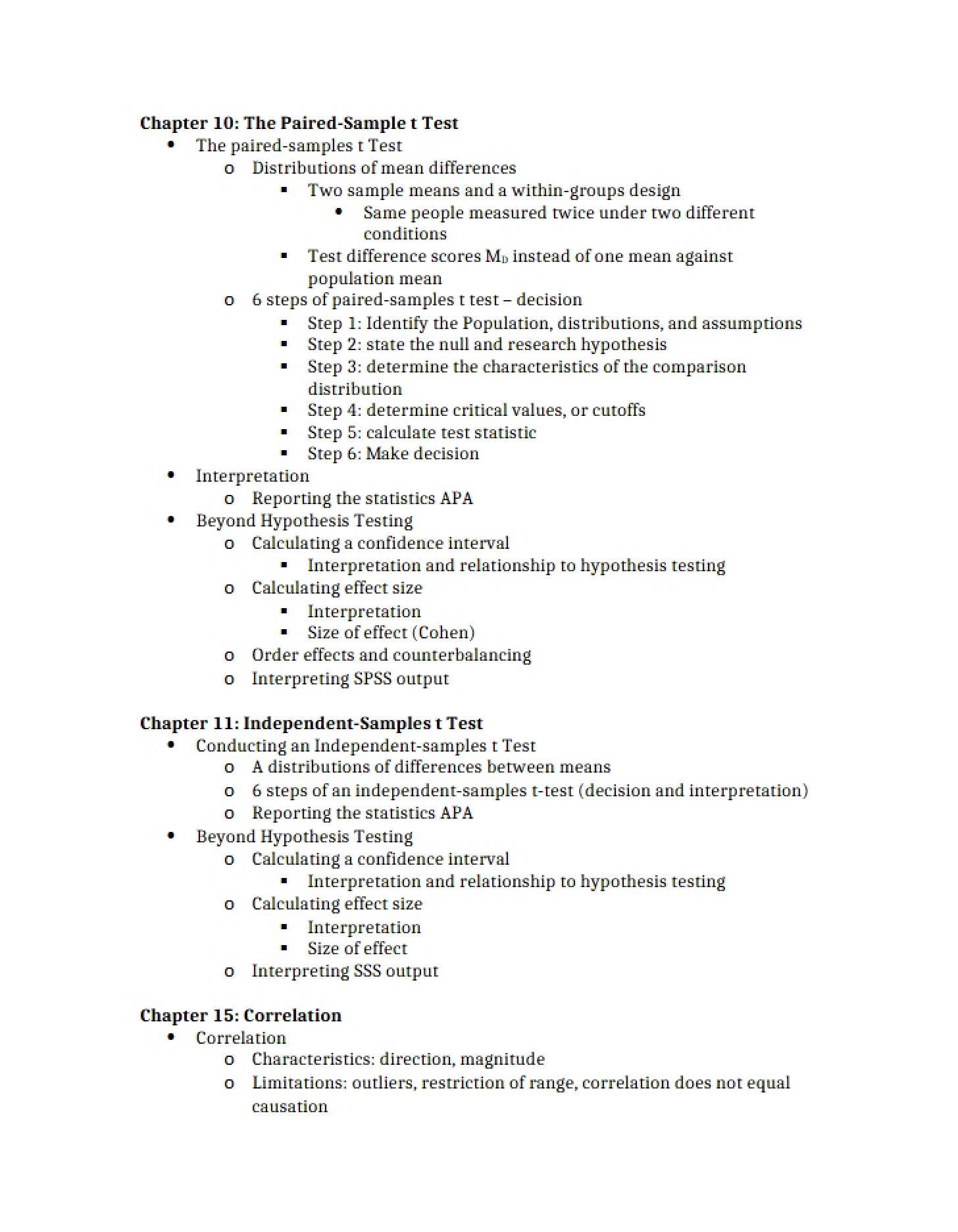
* The Normal Distribution and its characteristics
* The impact of parameters (mean and standard deviation) on distribution shape
* Standardization of scores (Z-scores) and their interpretation
* The Central Limit Theorem and its implications for sampling
* Inferential statistics and hypothesis testing related to means
* P-value interpretation and its role in decision-making
* Confidence interval construction and interpretation
* Type I and Type II errors in hypothesis testing
What This Document Provides
* A detailed exploration of the properties defining a normal distribution.
* An explanation of how to quantify an observation’s position within a distribution.
* A framework for understanding sampling distributions and their relationship to population distributions.
* Guidance on the logic behind statistical inference and hypothesis testing.
* An overview of how to make informed decisions based on statistical evidence.
* Concepts related to estimating population parameters with a defined level of confidence.